Die Zollgebühren liegen in der Verantwortung des Kunden, aber die Standardlogistik unterstützt DDP in die meisten Länder, zollfrei wie US, DE, UK, CA, FR, IT, PL, AT, JP...

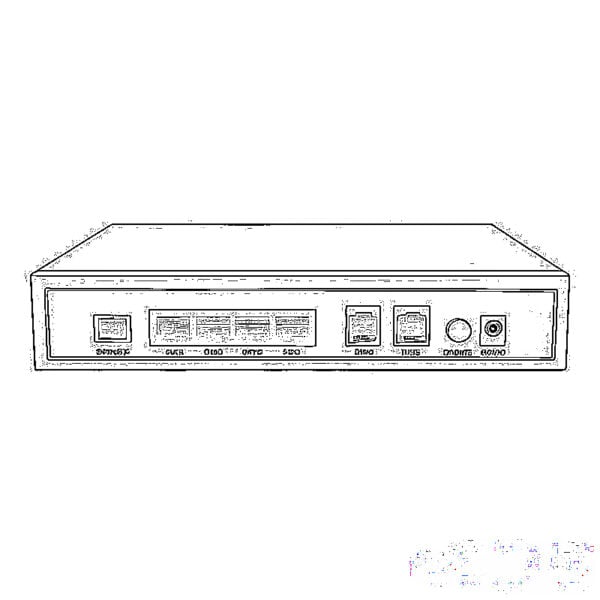
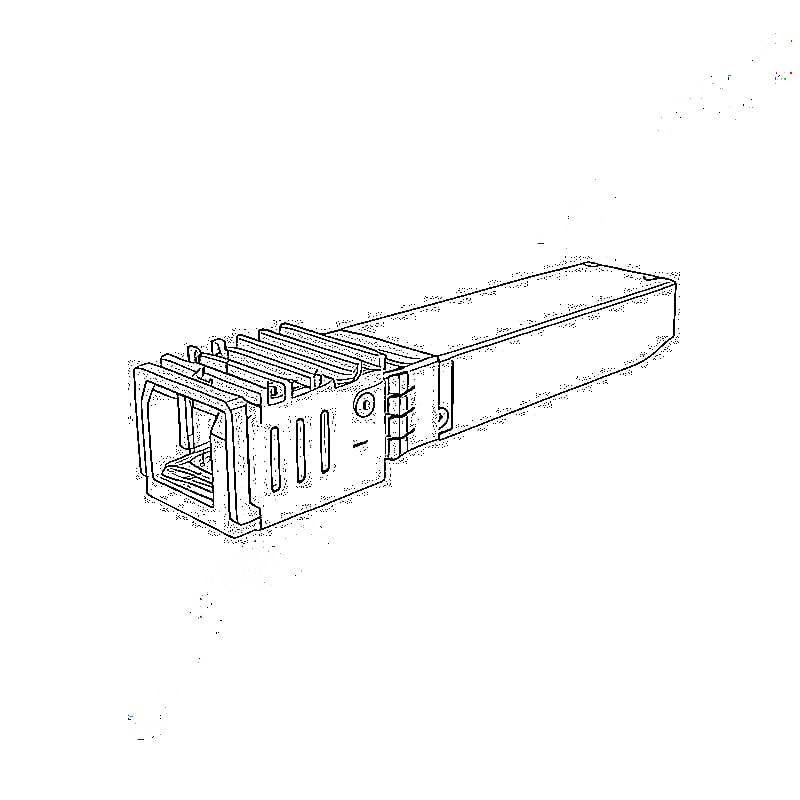
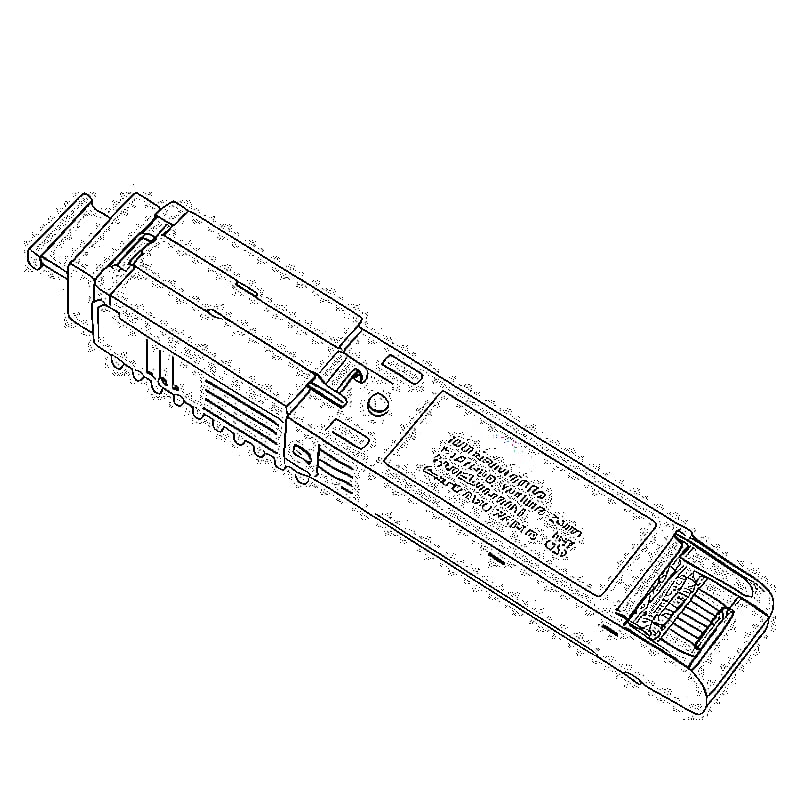
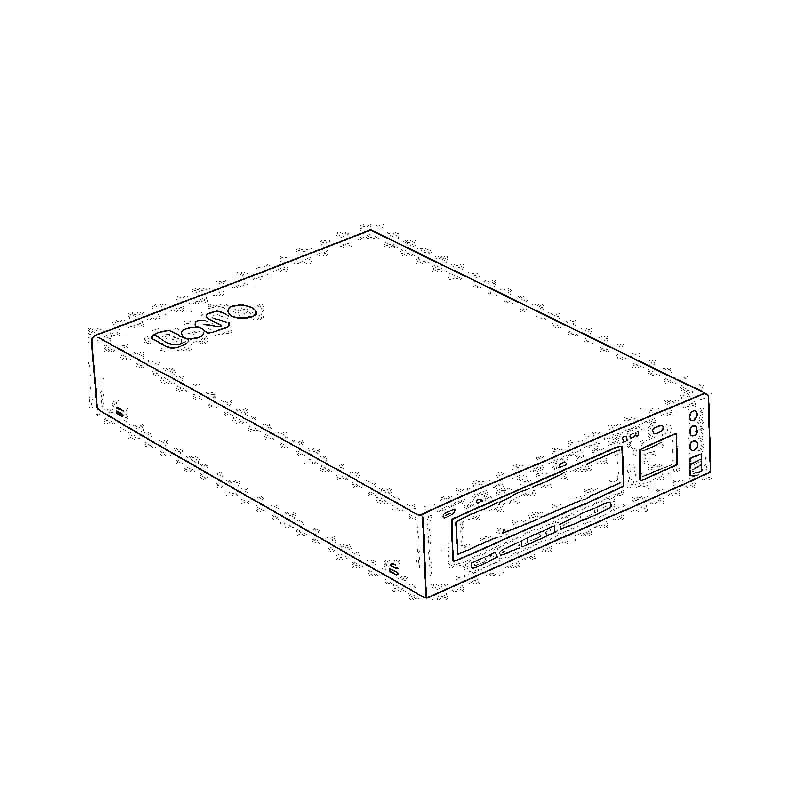
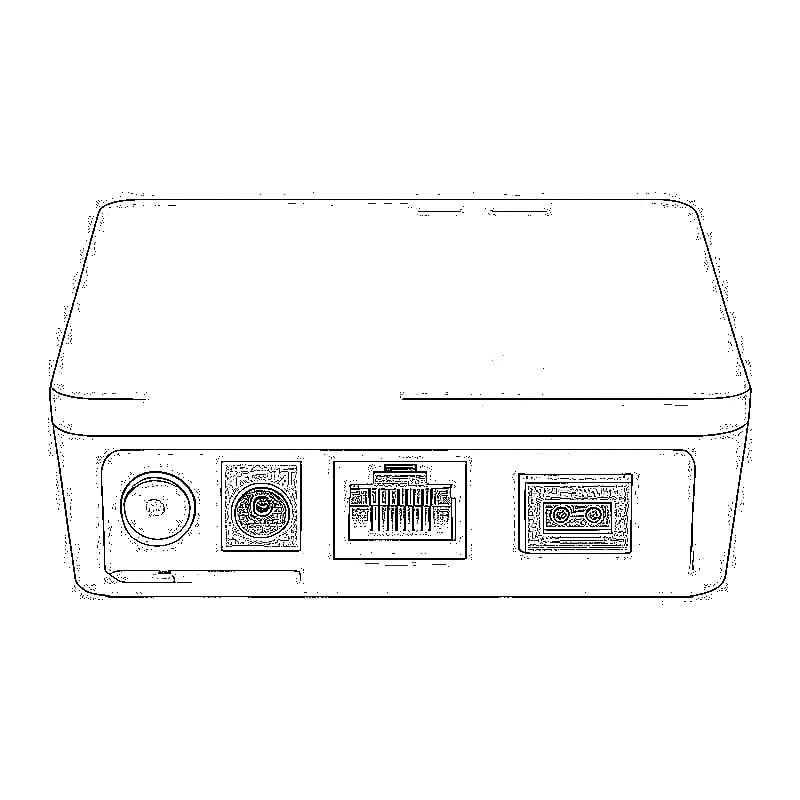
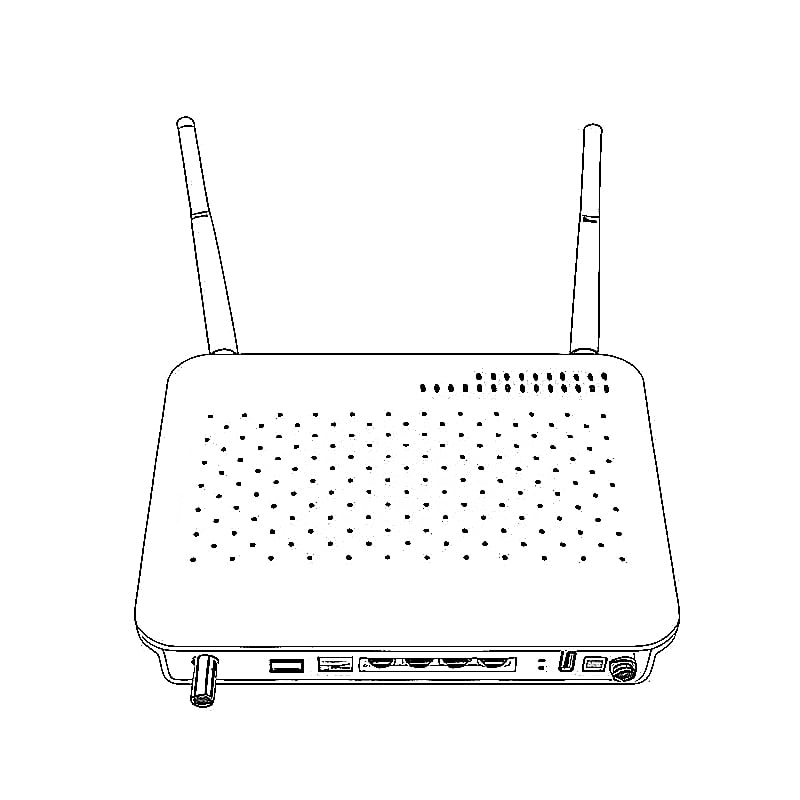
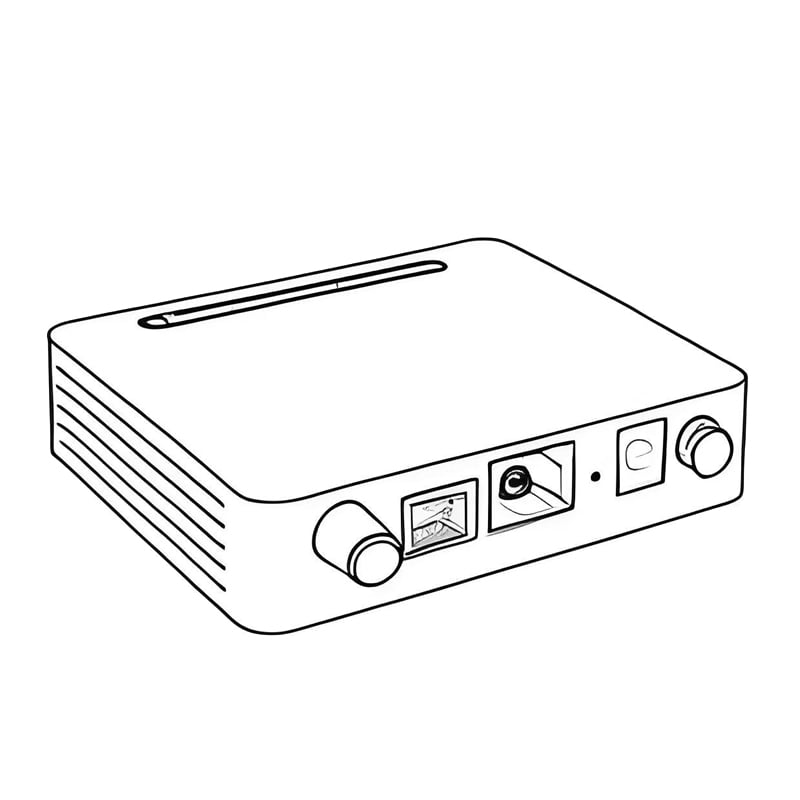
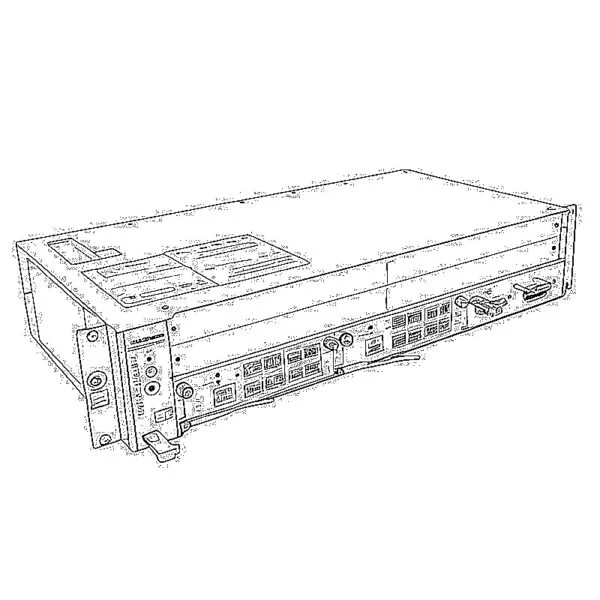
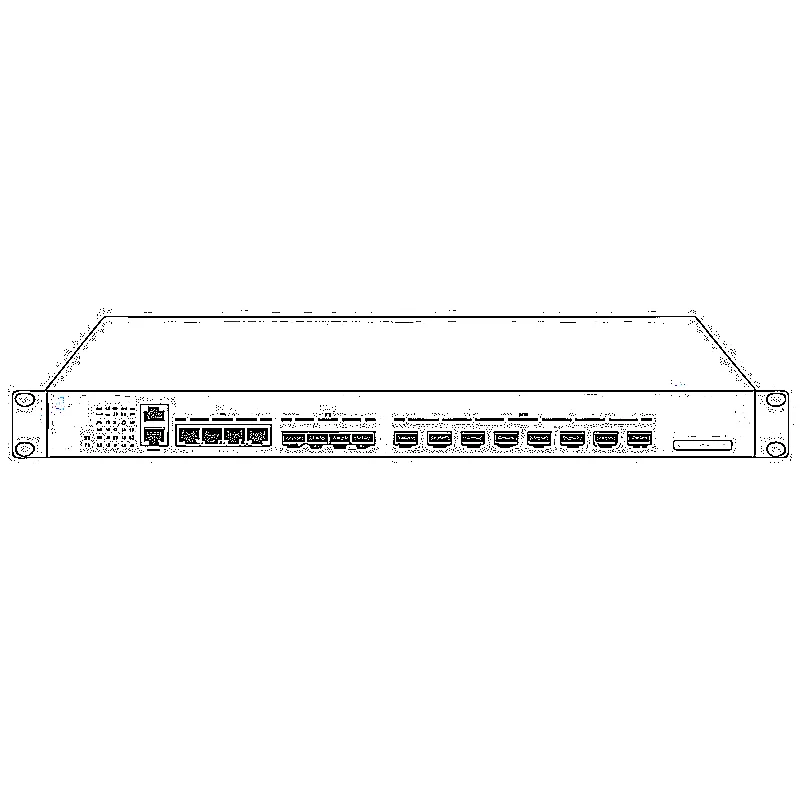
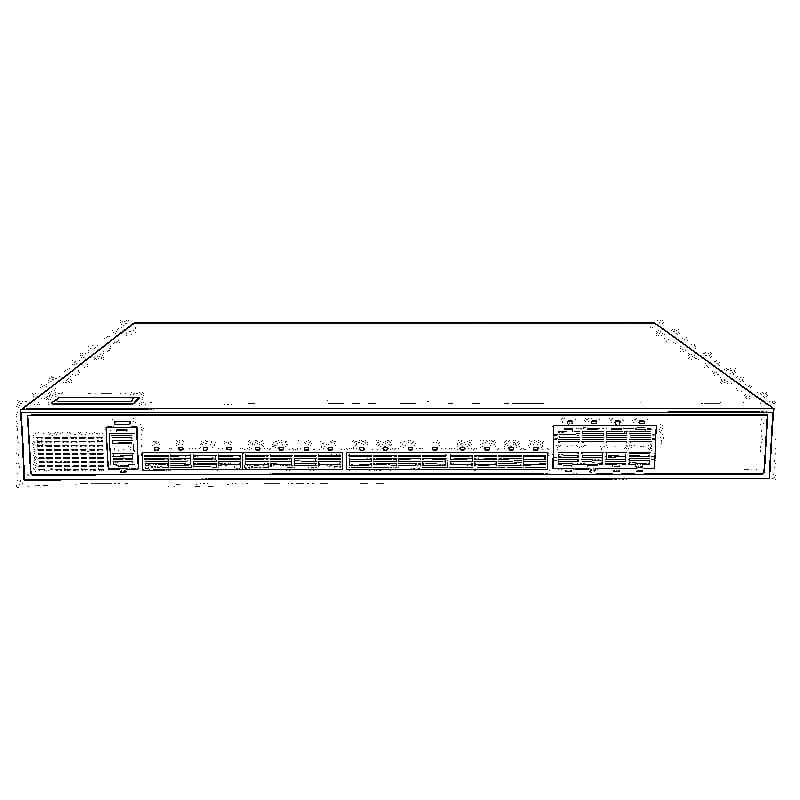
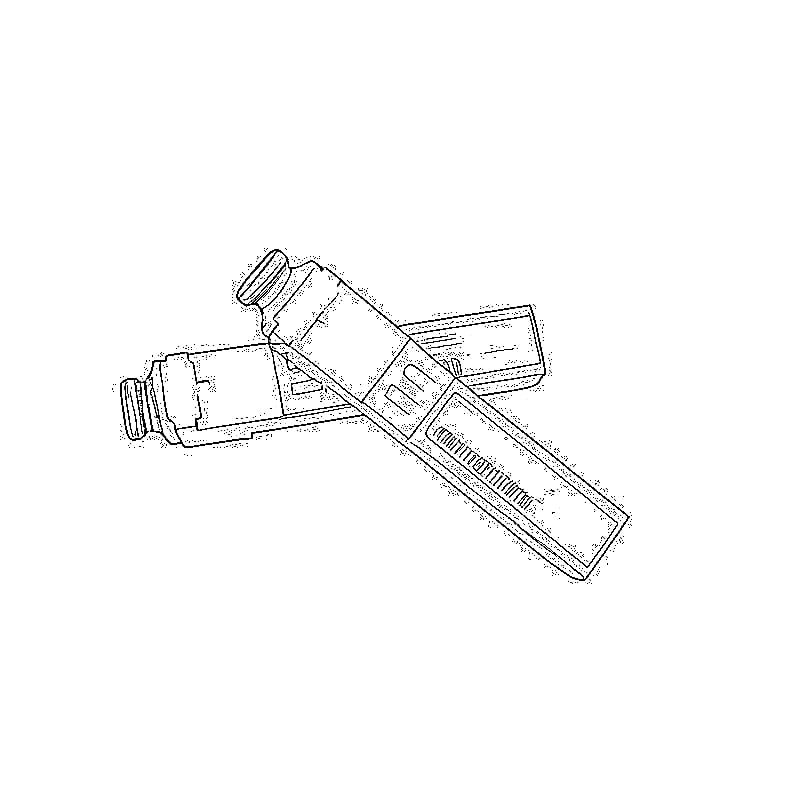
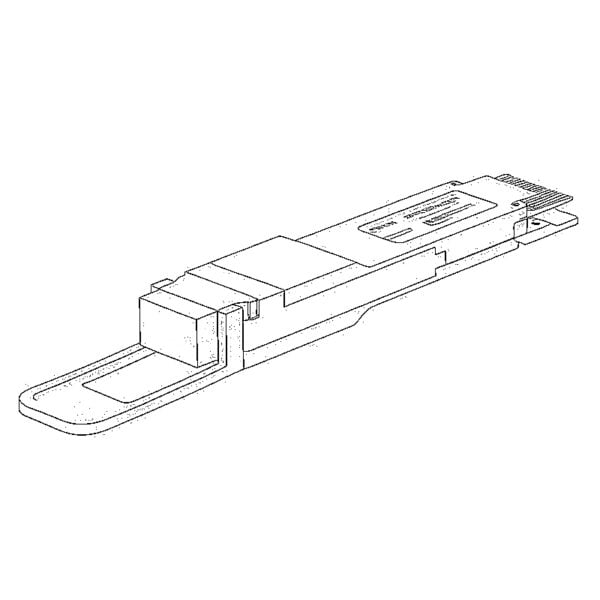
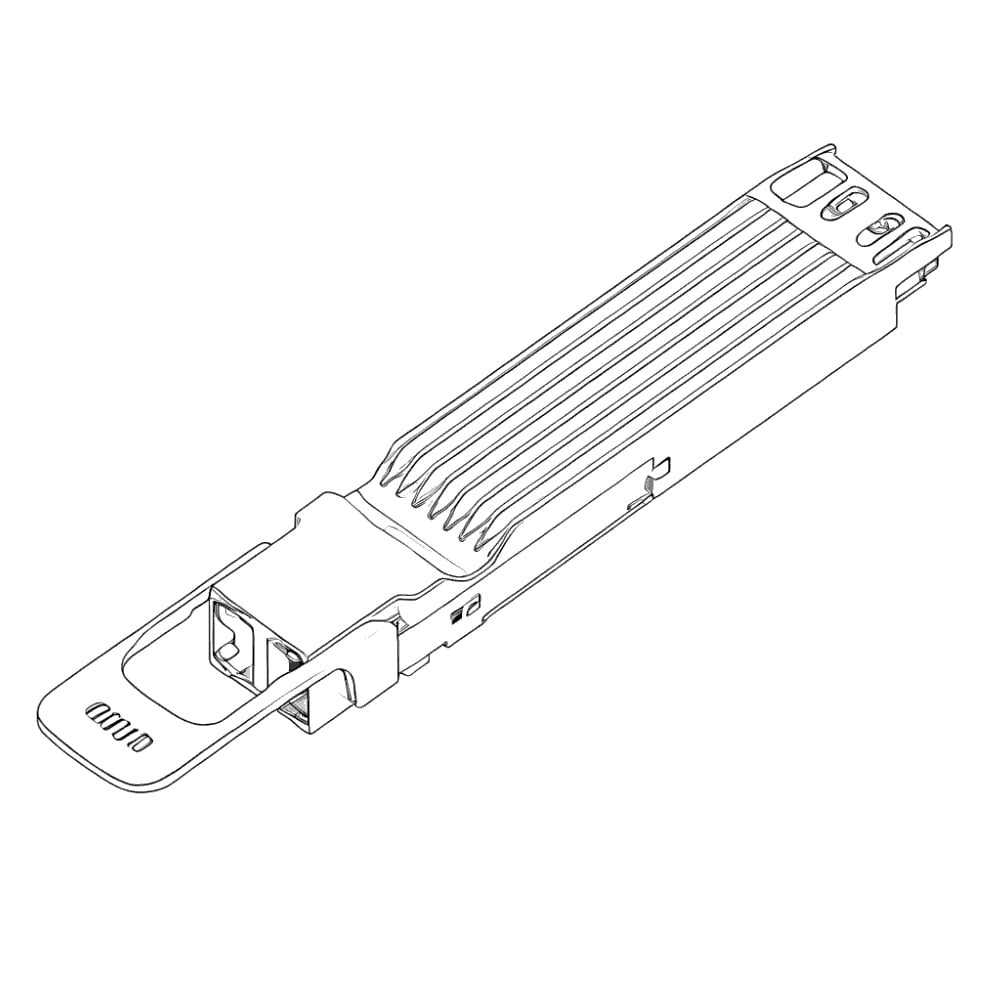
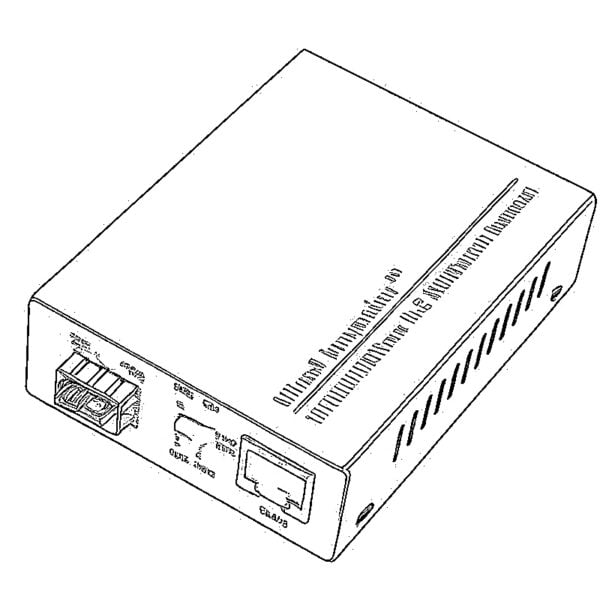
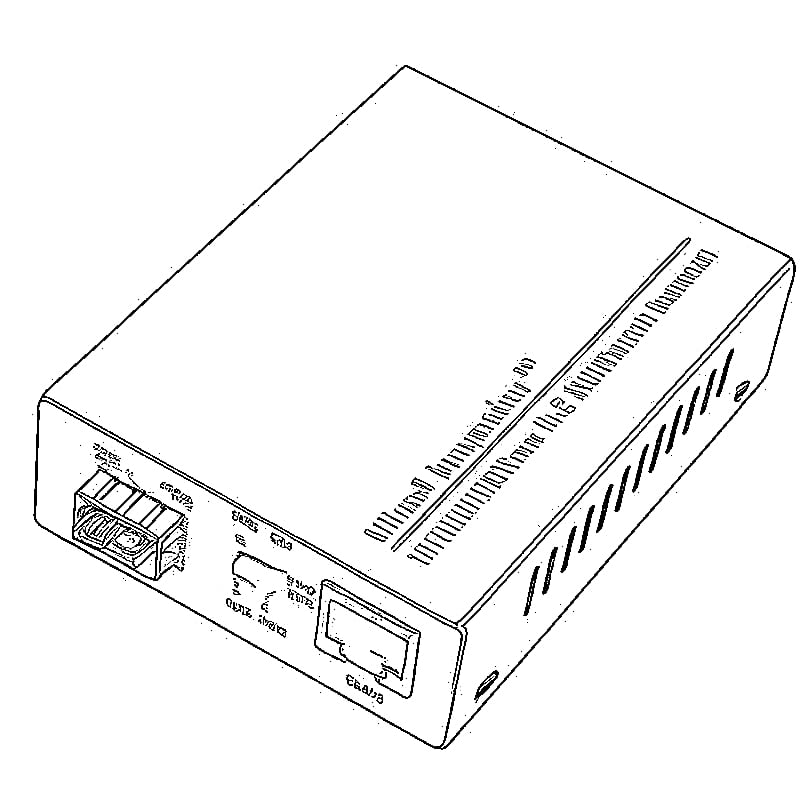
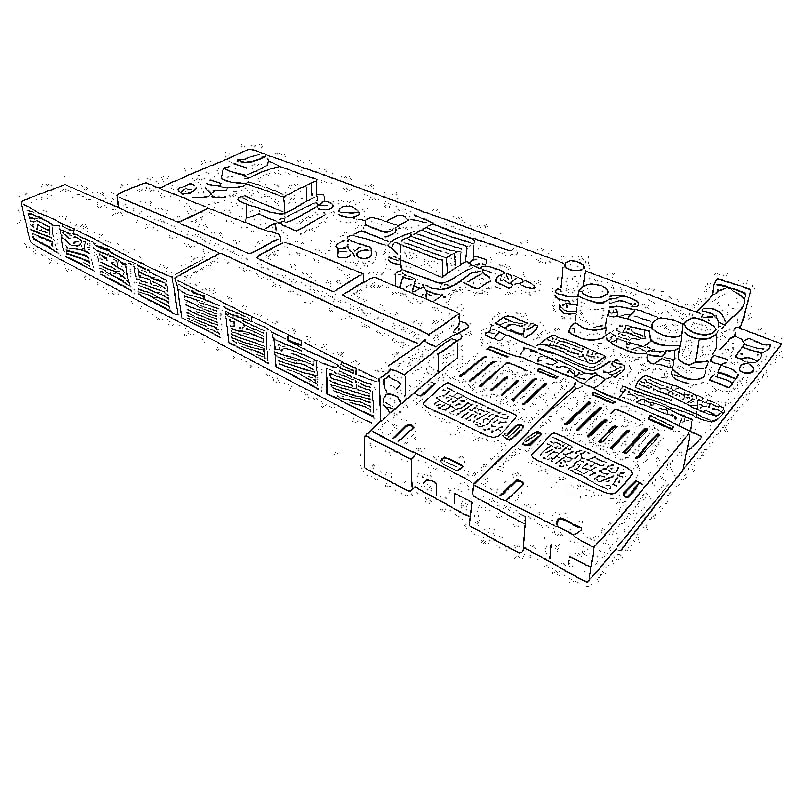
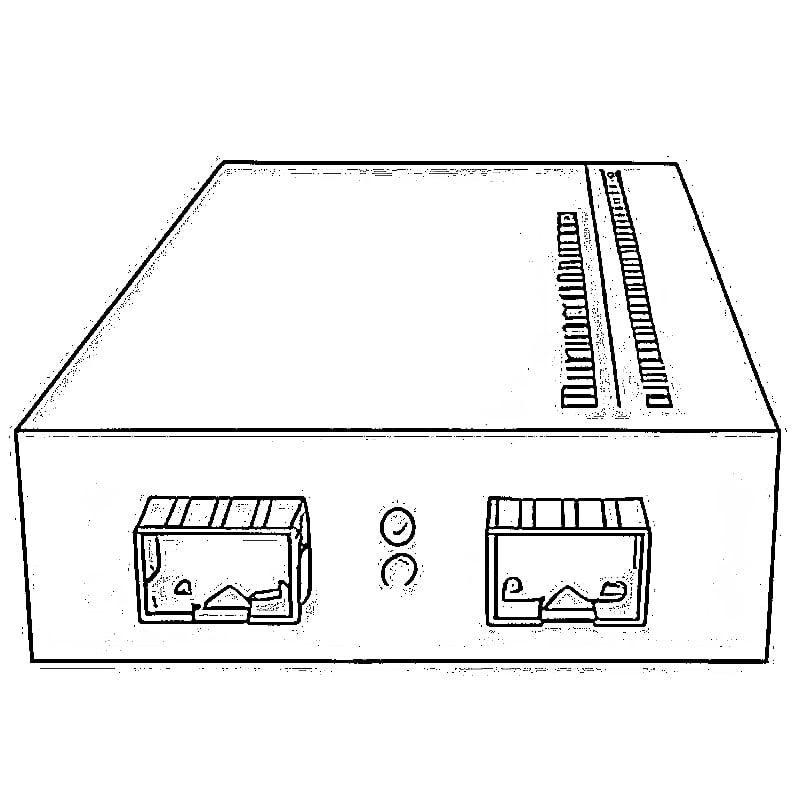
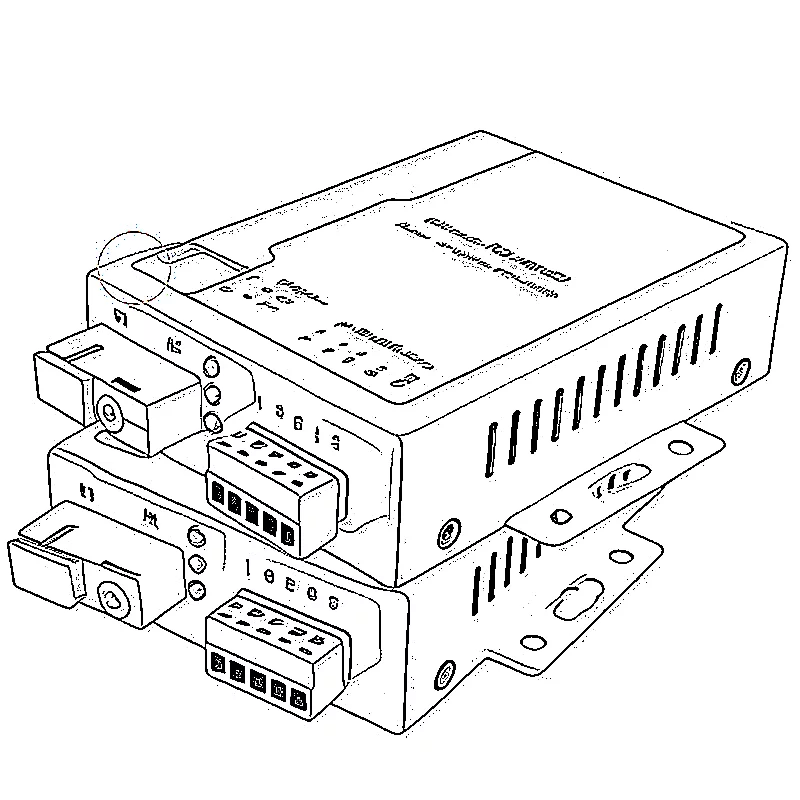
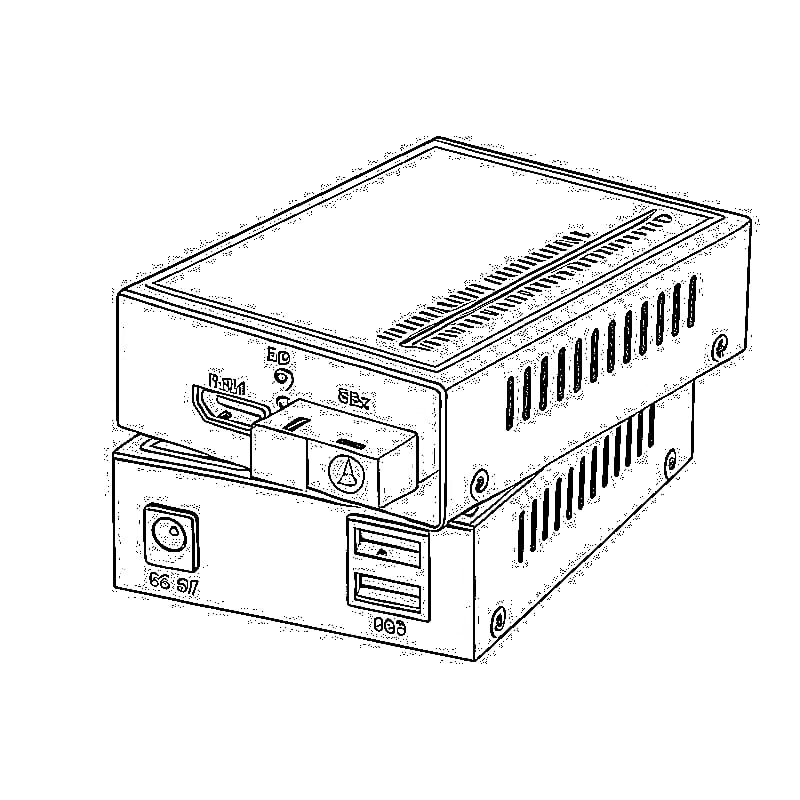

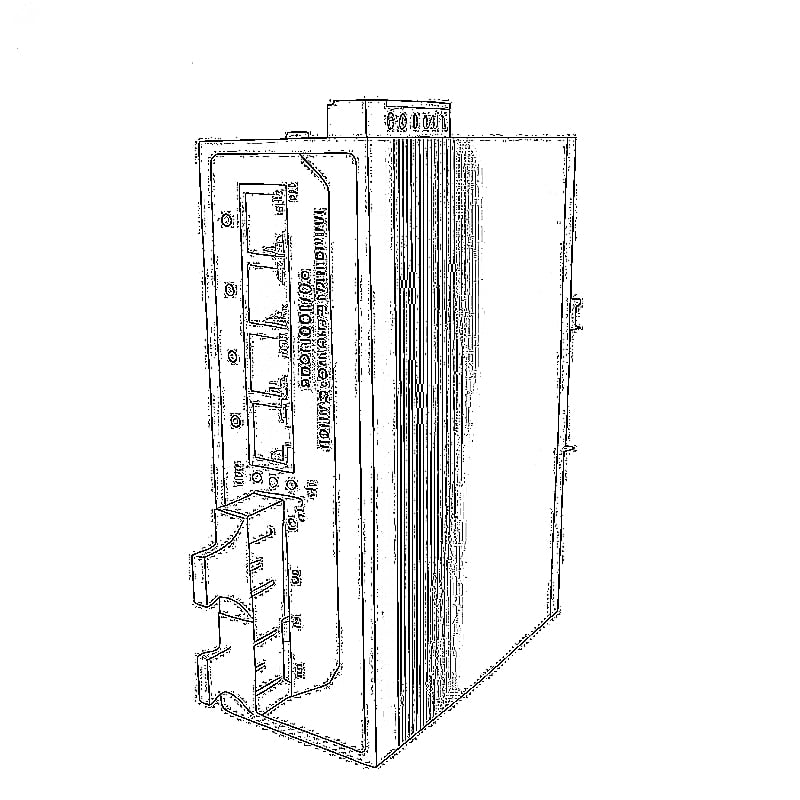
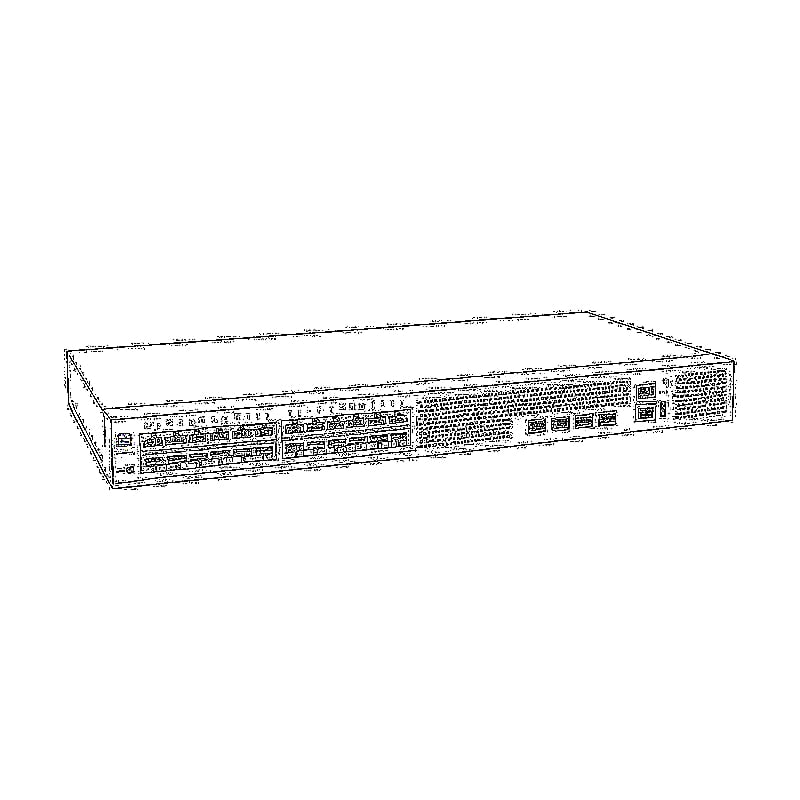
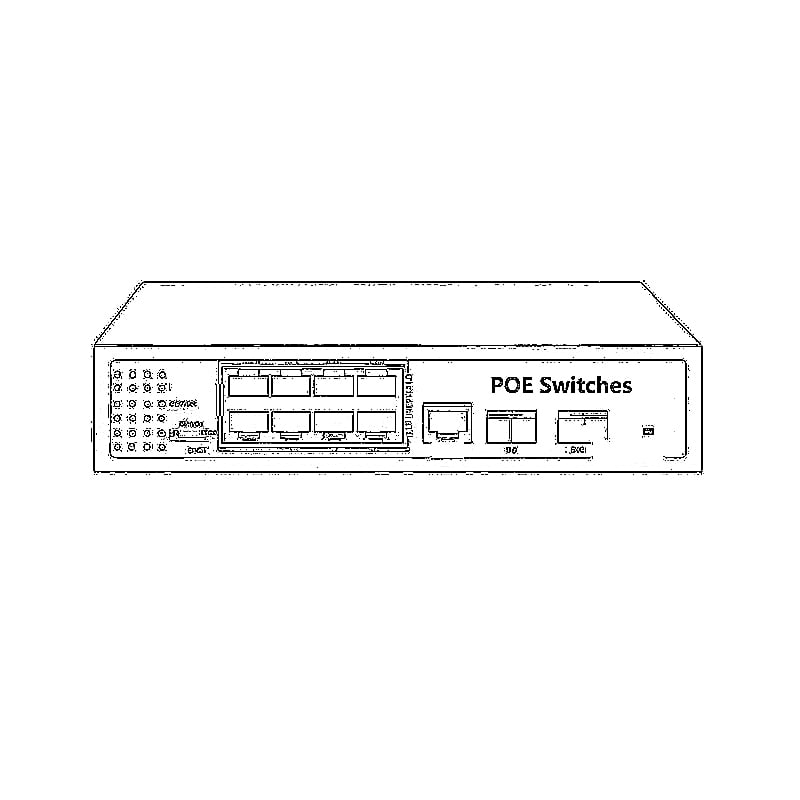
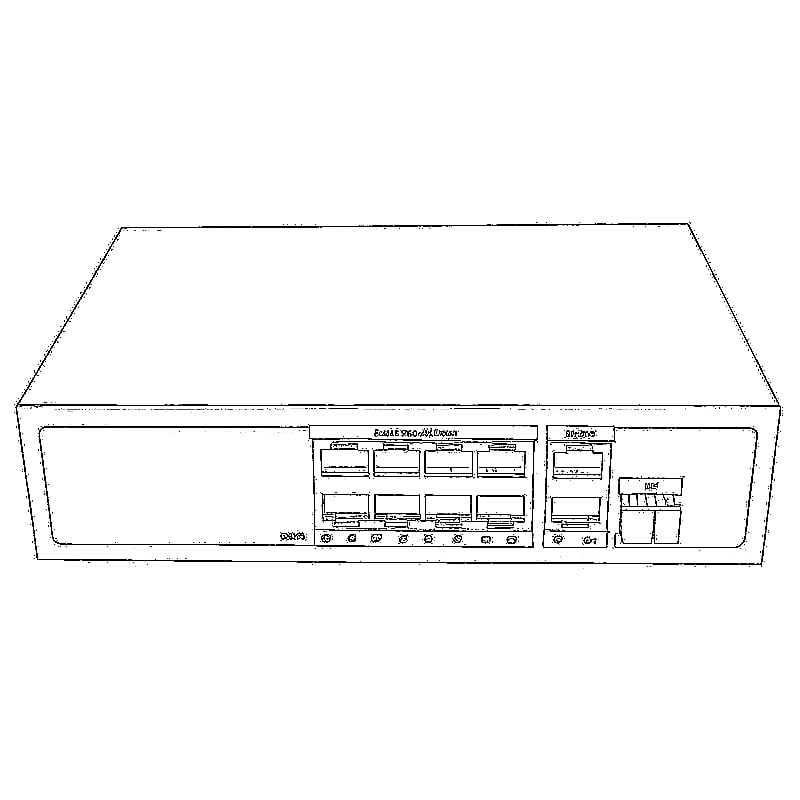

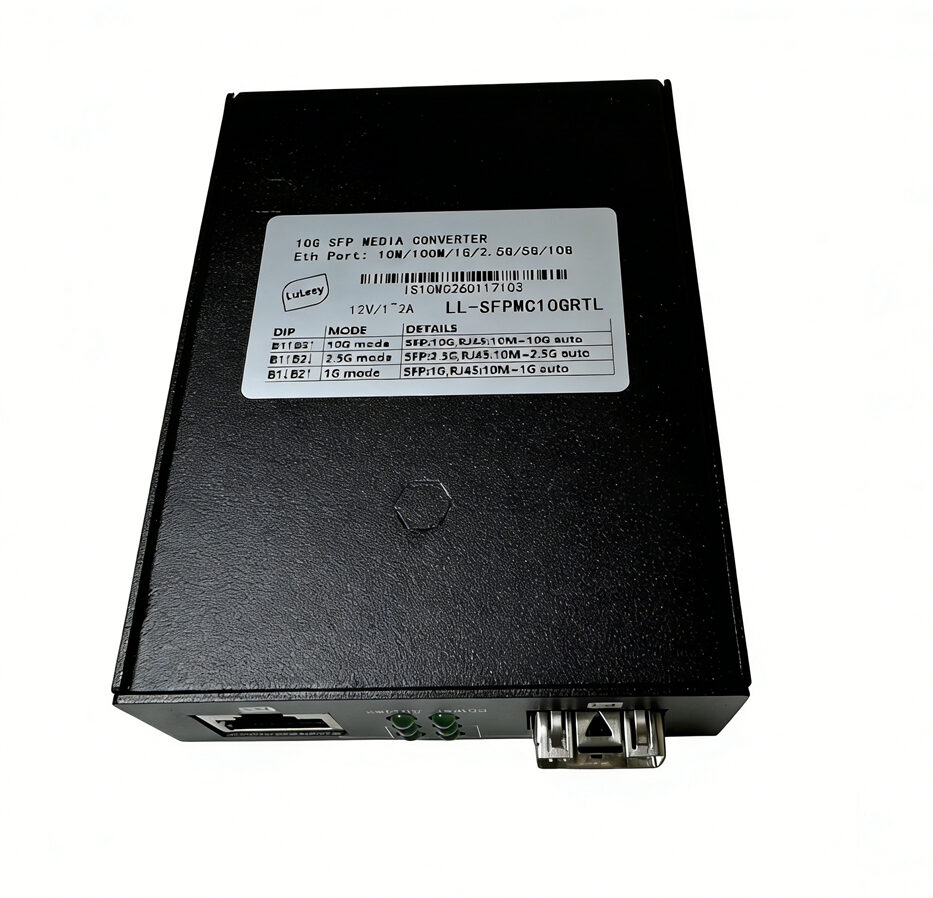
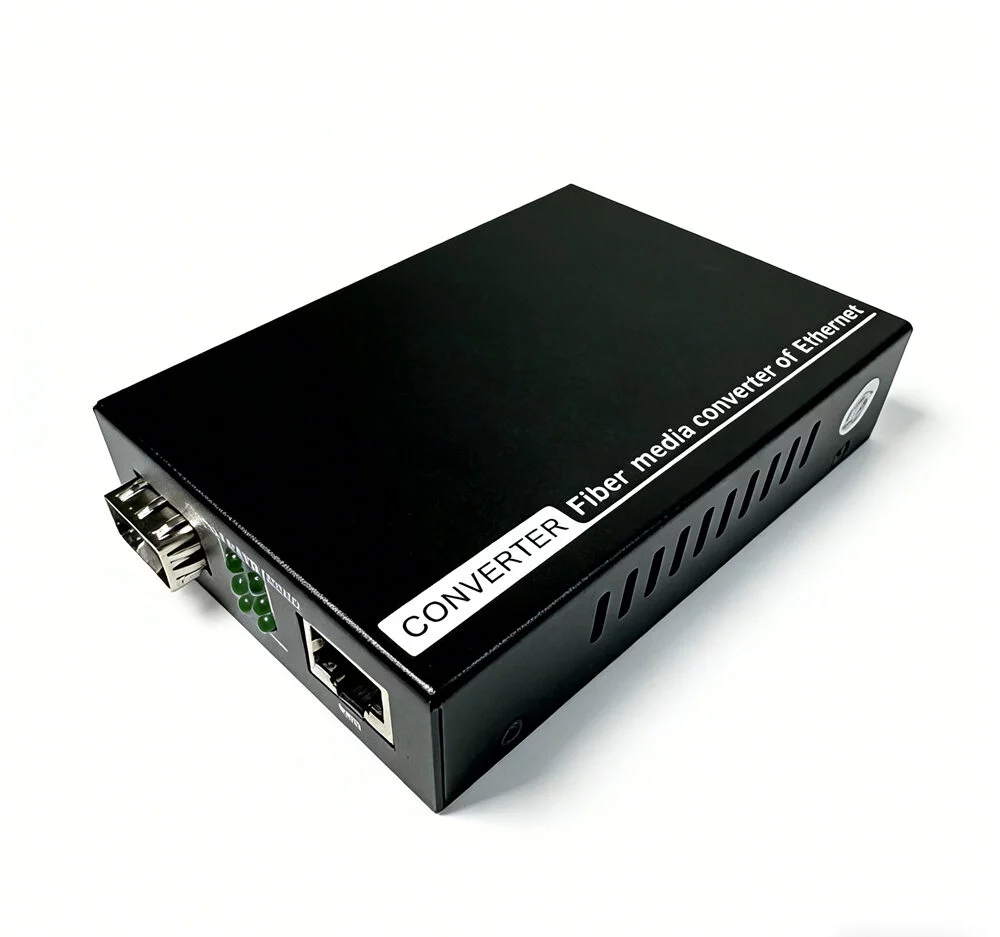
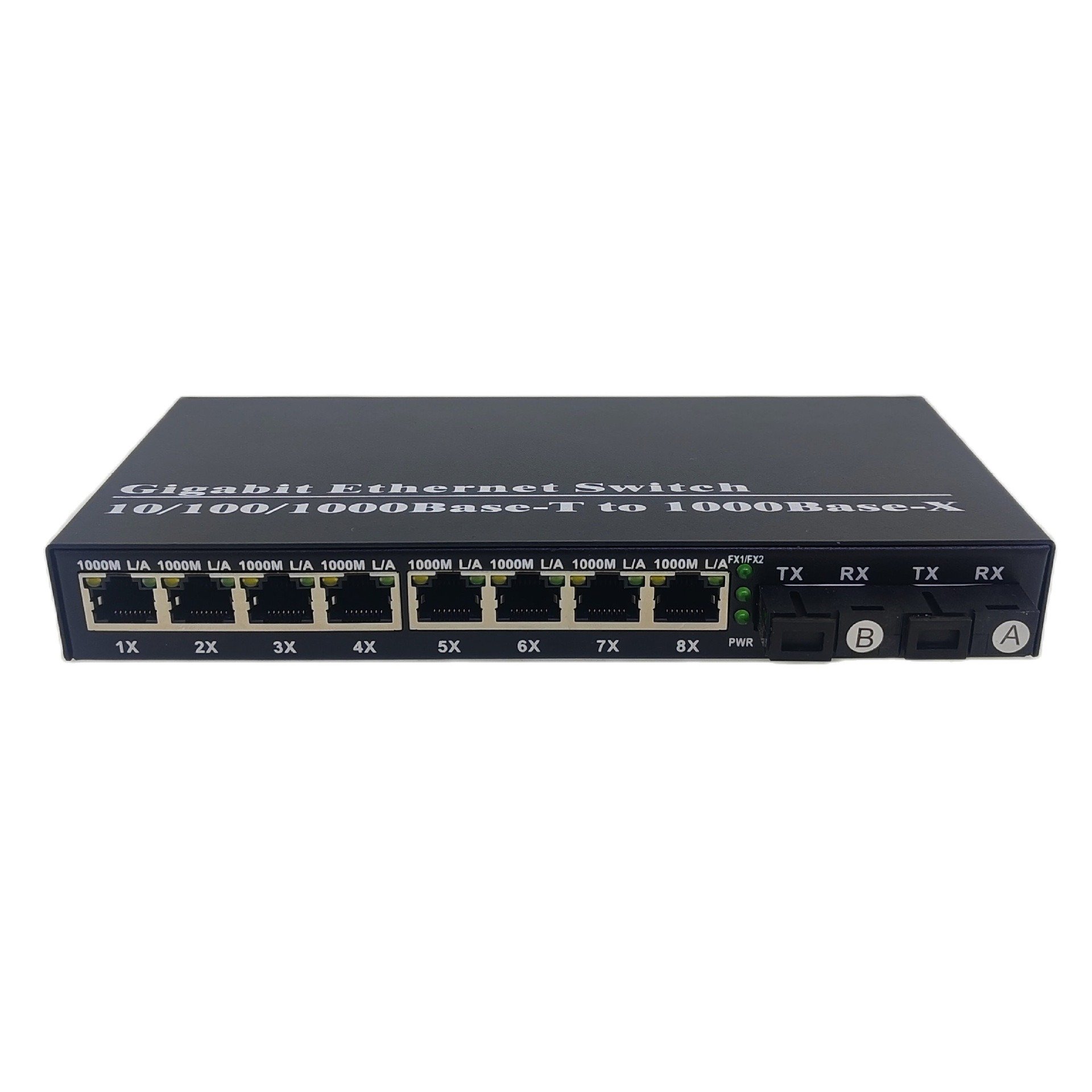
Optische Sende- und Empfangsgeräte: Hauptfunktionen, Merkmale und praktische Anwendungsszenarien
1. Wichtigste Funktionen
- Optisch/elektrische Signalumwandlung: Wandelt elektrische Signale, die von Geräten wie Computern und Schaltern ausgegeben werden, in optische Signale für die Übertragung durch Glasfasern um; am Empfangsende wandelt es die optischen Signale wieder in elektrische Signale um.
- Erweiterte Übertragungsdistanz: Löst das Problem der begrenzten Übertragungsdistanz (100 Meter) von Ethernet-Kabeln, indem es die Übertragungsdistanz mit Hilfe von Glasfasern auf mehrere Kilometer oder sogar Hunderte von Kilometern erweitert.
- Zusammenschaltung verschiedener Medien: MEDIENKONVERTER, Ermöglicht die nahtlose Verbindung zwischen Kupferkabelnetzen und Glasfasernetzen und unterstützt die Konvertierung zwischen Singlemode-/Multimode-Fasern, Einfaser-/Doppelfasersystemen und unterschiedlichen Wellenlängen oder Raten.
- Kostenreduzierung und flexible Vernetzung: Bietet eine wirtschaftliche Lösung für die Aufrüstung von Kupferkabelnetzen zu Glasfasernetzen und ermöglicht es den Benutzern, je nach Bedarf verschiedene Typen zu wählen, um Investitionen zu sparen.
- Verbesserte Netzwerkleistung: Die optische Signalübertragung zeichnet sich durch geringe Verluste, hohe Geschwindigkeit und hohe Widerstandsfähigkeit gegen elektromagnetische Störungen aus und eignet sich daher für Hochgeschwindigkeits-, Langstrecken- und hochsichere Kommunikationsumgebungen.
2. Hauptmerkmale
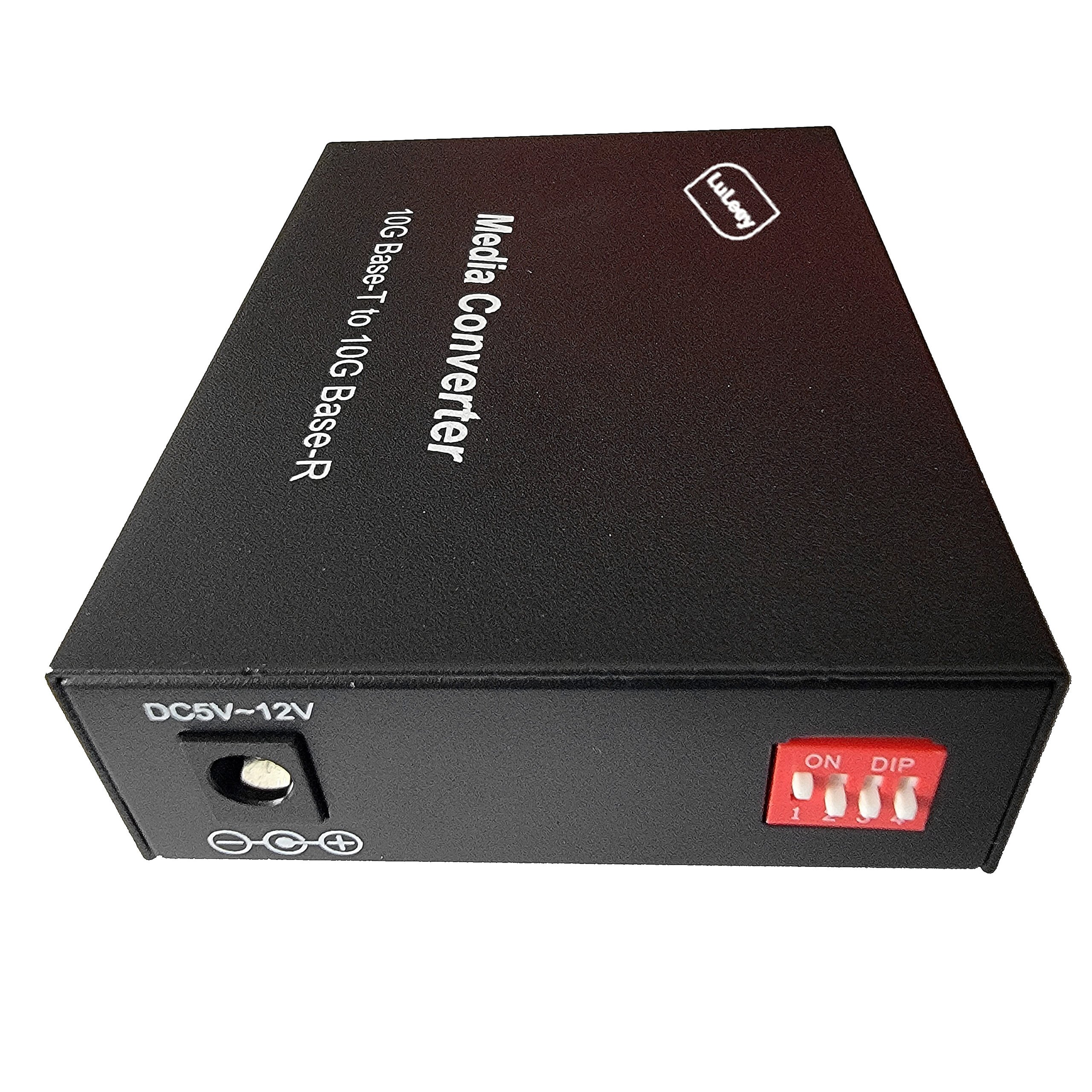
Merkmal 1: Multiraten-Kompatibilität (über DIP-Schalter erreichbar)
- SFP+ Anschluss: 10G/2.5G/1.0G
- RJ45-Ethernet-Anschluss: 10M/100M/1000M/2.5G/5G/10G
Merkmal 2: Unterstützt verschiedene Anwendungsszenarien für optische Module
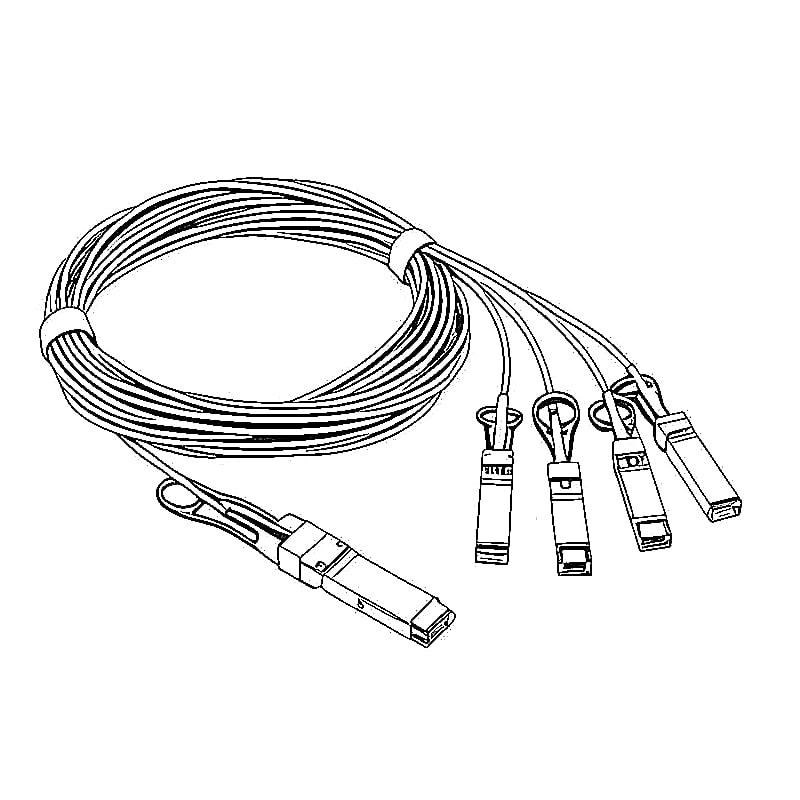
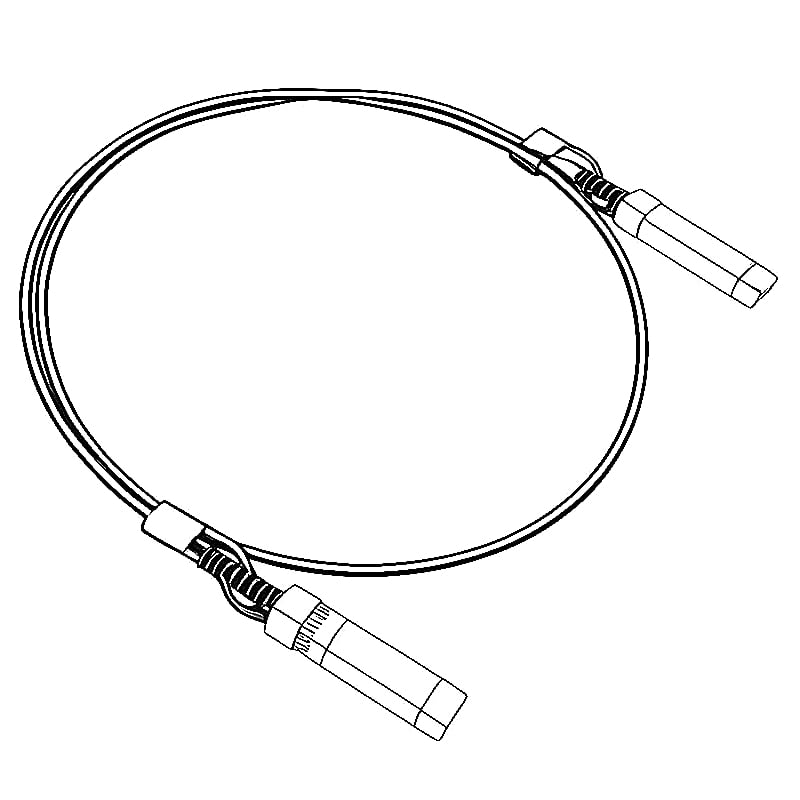
- SFP+-Modul oder AOC oder DAC, 10G
- SFP-Modul, 1.25G/2.5G
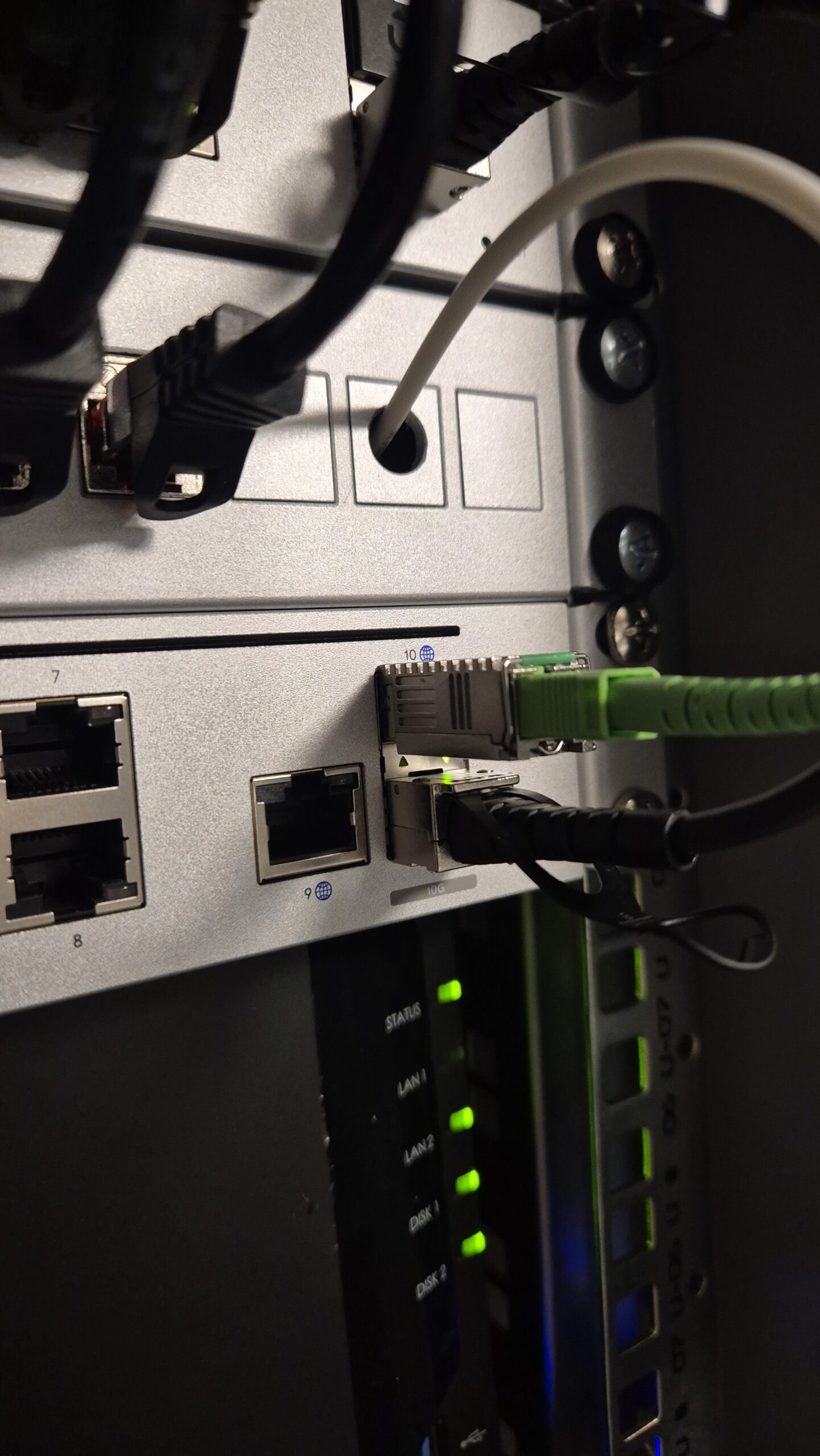
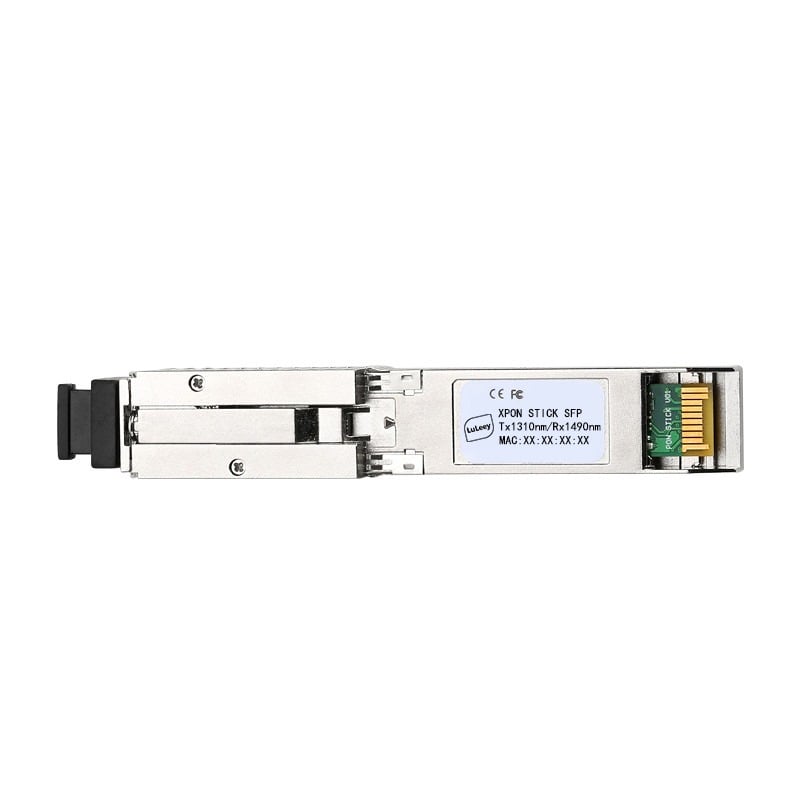
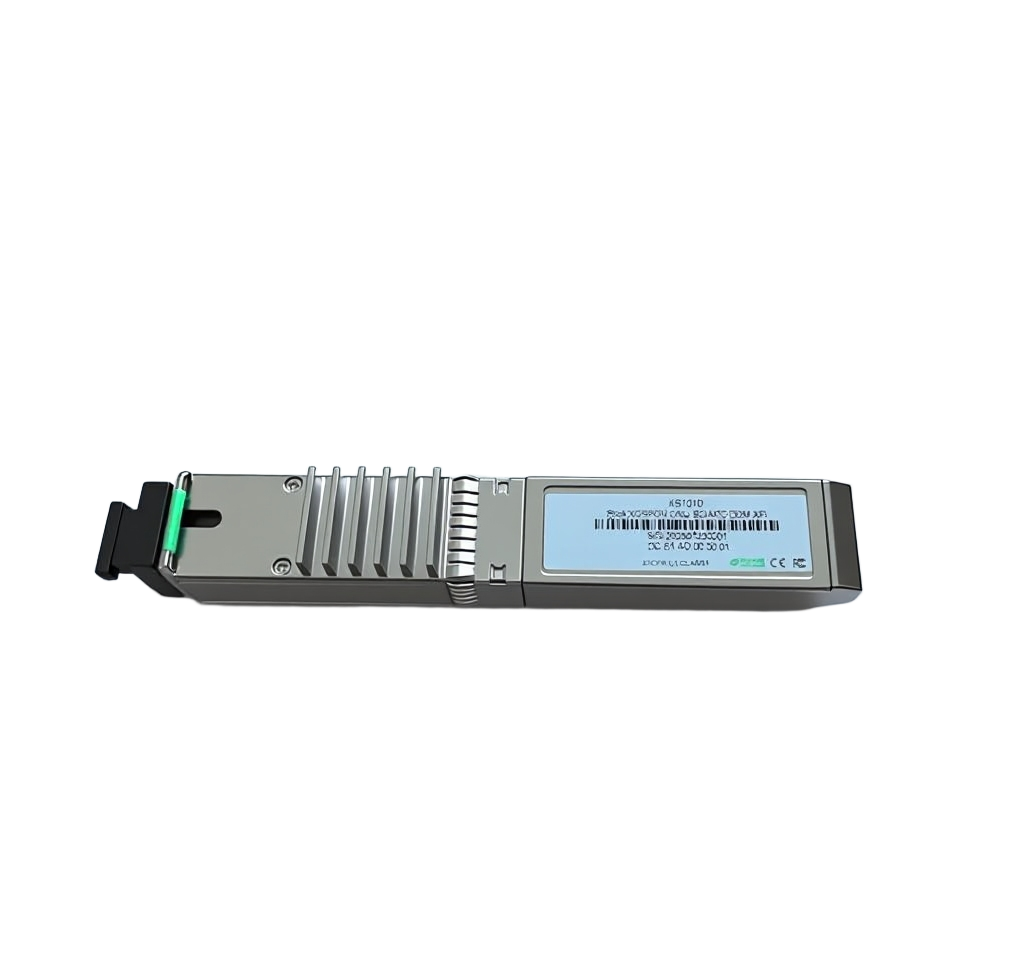
- XPON STICK/GPON STICK/epon STICK
- xgs-pon STICK/10G EPON STICK/XGPON STICK
3. Praktische Anwendungsszenarien
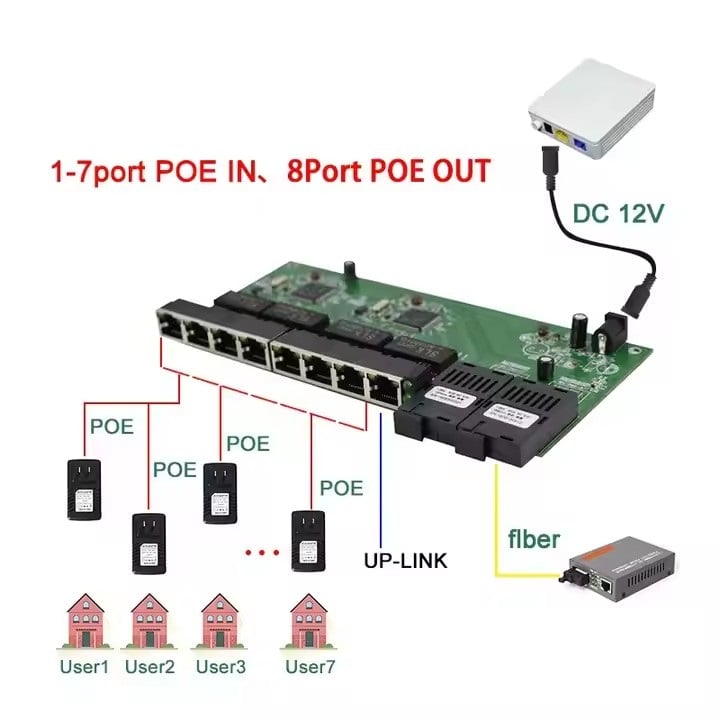
- Erweiterung des Enterprise Park Network: Für große Unternehmensparks mit mehreren Gebäuden (Abstand zwischen den Gebäuden mehr als 100 Meter) wandelt der optische Transceiver elektrische Signale von Switches in jedem Gebäude in optische Signale um und überträgt sie über Glasfasern, um eine Hochgeschwindigkeitsverbindung zwischen den Gebäuden herzustellen. Er unterstützt eine flexible Vernetzung, so dass Unternehmen kostengünstig von ursprünglichen Kupferkabelnetzen auf Glasfasernetze umsteigen können, und ist mit mehreren Tarifen kompatibel, um die Anforderungen verschiedener Büroendgeräte (wie Computer, Drucker und Überwachungskameras) zu erfüllen.
- Zusammenschaltung von Rechenzentren: In Rechenzentren ist es notwendig, Hochgeschwindigkeitsübertragungen zwischen Servern, Switches und Speichergeräten zu realisieren. Die SFP+/SFP-Ports des optischen Transceivers unterstützen 10G/2.5G und andere Übertragungsraten und sind kompatibel mit SFP+-Modulen, AOC, DAC und anderen optischen Modulen, die die Anforderungen an hohe Geschwindigkeit, geringen Verlust und Störungsschutz für die interne Verbindung von Rechenzentren erfüllen und auch Fernverbindungen zwischen mehreren Rechenzentren (Übertragungsdistanz bis zu Hunderten von Kilometern) realisieren können.
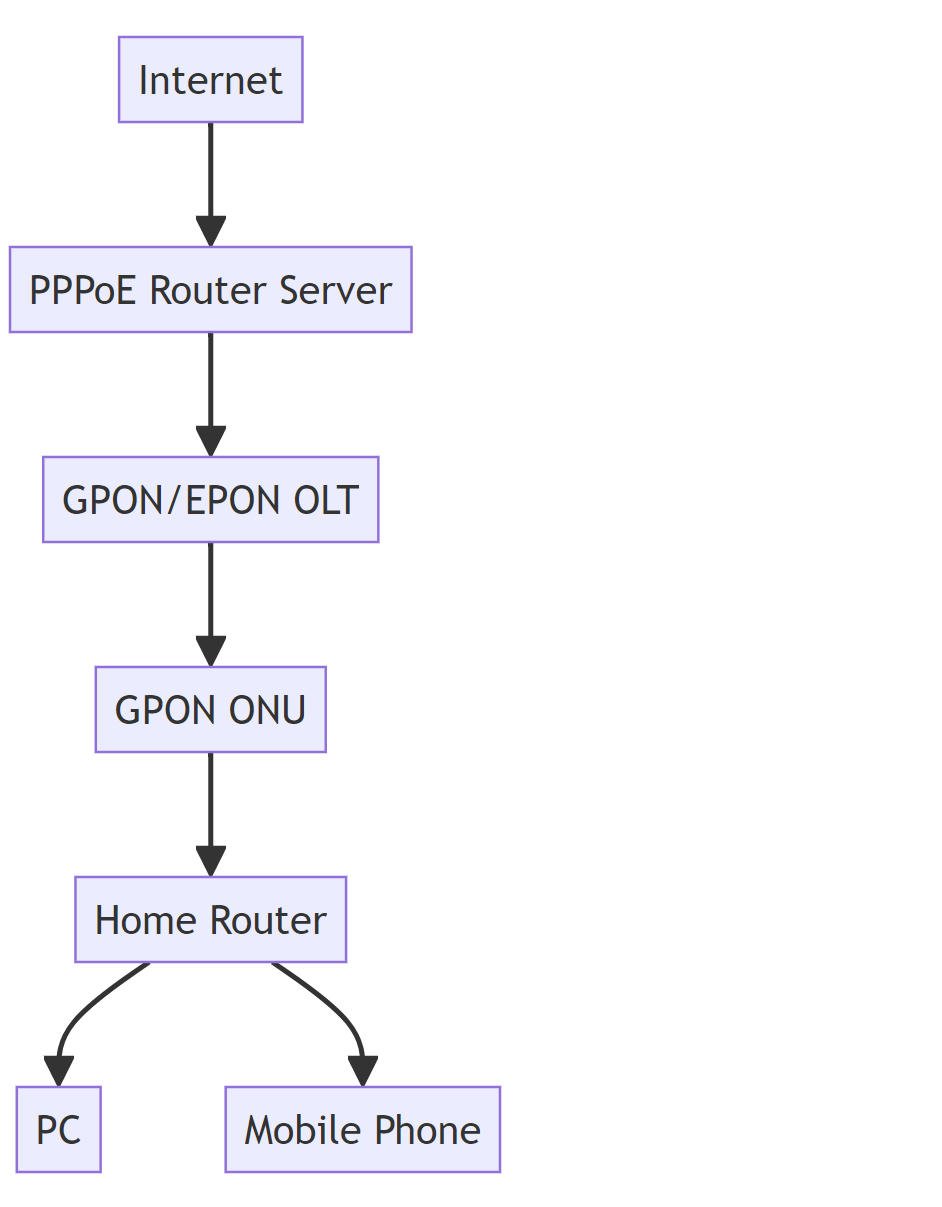
- Aufbau eines Breitbandzugangsnetzes: Die Betreiber verwenden optische Transceiver, um XPON/GPON/EPON STICK und andere Module anzuschließen und so die Umwandlung zwischen Glasfasernetzen und Kupferkabelnetzen zu realisieren. Damit kann die Reichweite des Breitbandzugangs auf ländliche Gebiete, abgelegene Gemeinden und andere Regionen ausgedehnt werden, das Problem der begrenzten Übertragungsreichweite des herkömmlichen Kupferkabelbreitbandes gelöst werden und den Nutzern schnelle und stabile Breitbanddienste zu geringen Kosten zur Verfügung gestellt werden.
- Videoüberwachungssystem für große Entfernungen: In Szenarien wie der Überwachung von Autobahnen, Eisenbahnen und Industrieparks sind die Überwachungskameras in der Regel über große Entfernungen (mehr als 100 Meter) verteilt. Der optische Transceiver wandelt die elektrischen Signale der Kameras in optische Signale für die Übertragung über große Entfernungen um, mit geringem Verlust und starker Fähigkeit zur Vermeidung elektromagnetischer Störungen, was die Klarheit und Stabilität der Überwachungsbilder gewährleisten kann. Gleichzeitig unterstützt er Multi-Rate-Kompatibilität, die sich an Überwachungskameras mit unterschiedlichen Auflösungen (1080P, 4K, etc.) anpassen lässt.
- Aufrüstung des Campus-Netzwerks: Das ursprüngliche Kupferkabelnetz für Universitäten und Mittelschulen mit großen Geländen hat Probleme wie begrenzte Übertragungsdistanz und schlechte Störfestigkeit. Der optische Transceiver kann die nahtlose Verbindung zwischen dem Kupferkabelnetz und dem Glasfasernetz herstellen, die Übertragungsdistanz auf mehrere Kilometer erweitern und die Netzwerkgeschwindigkeit und -stabilität verbessern. Die Benutzer können verschiedene Arten von optischen Modulen und Tarifen je nach den Bedürfnissen von Lehrgebäuden, Wohnheimen, Labors und anderen Bereichen wählen und so Investitionen in die Aufrüstung des Netzwerks sparen.
 SFP/SFP+ (1G/2.5G/5G/10G)
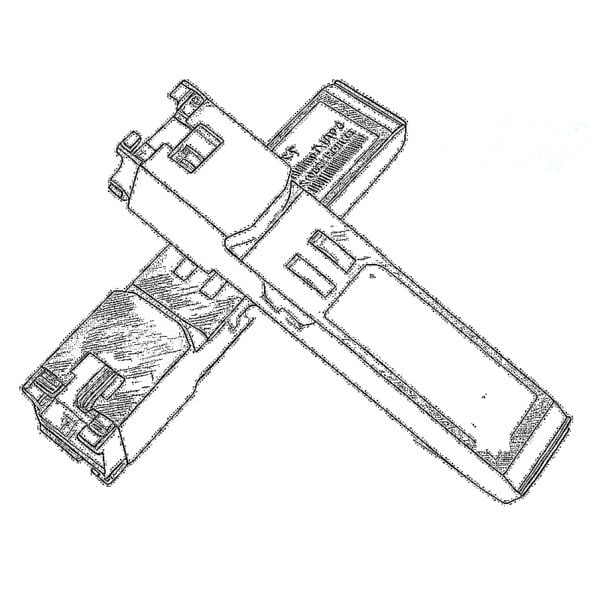 SFP-T (1G/2.5G/10G)
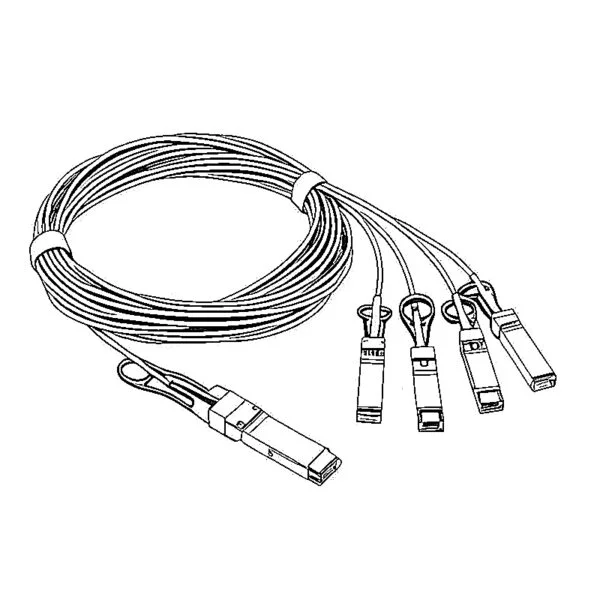 AOC-Kabel 10G/25G/40G/100G
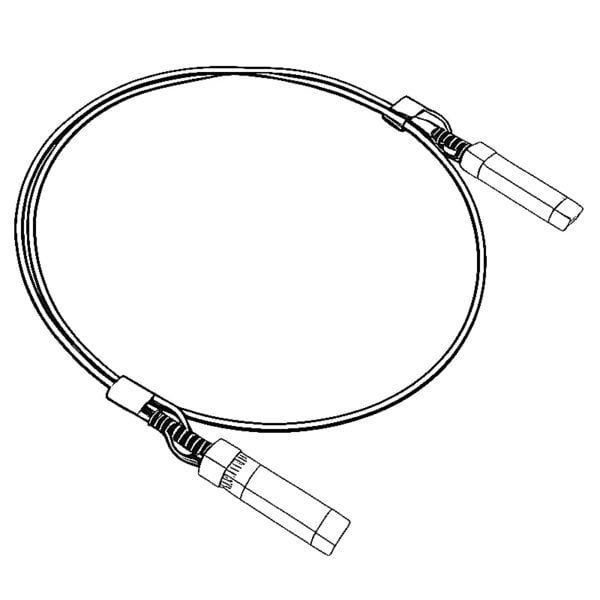 DAC-Kabel 10G/25G/40G/100G
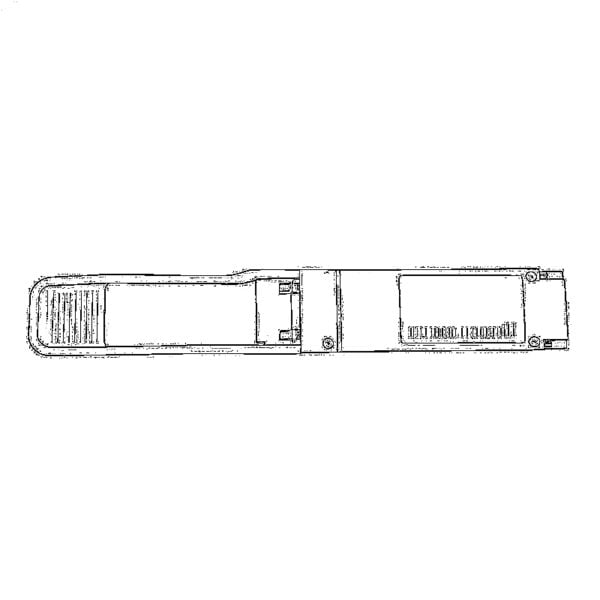 QSFP28 QSFP+ SFP28 100G/40G/25G
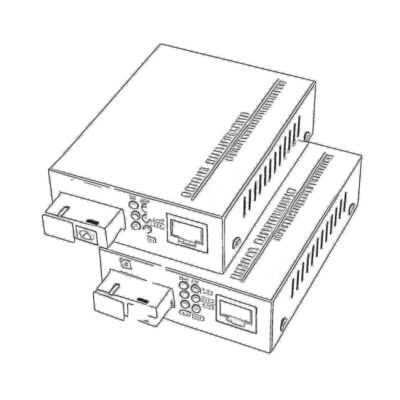 Kupfer-Glasfaser-Medienkonverter
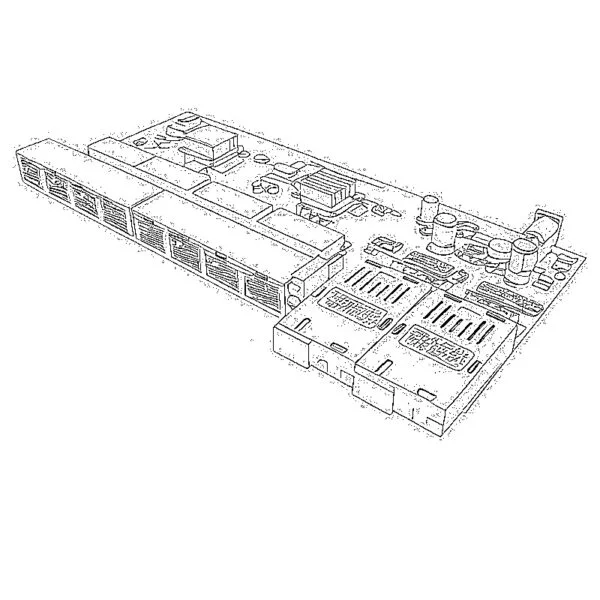 Glasfaser-Medienkonverter PCBA-Platine
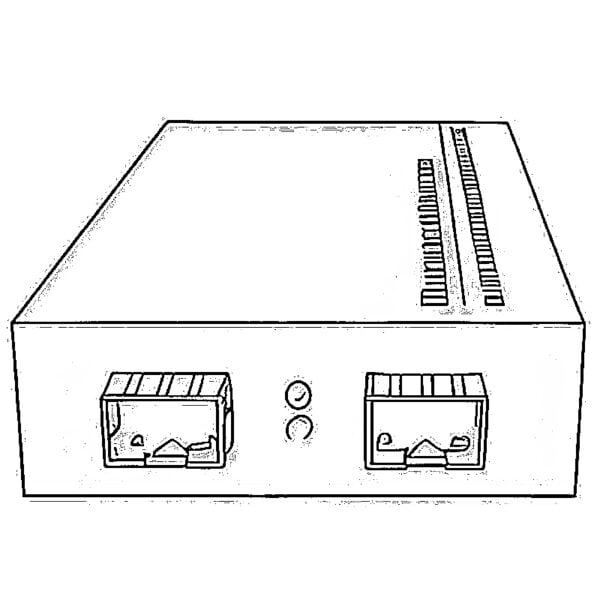 OEO Fiber Medienkonverter
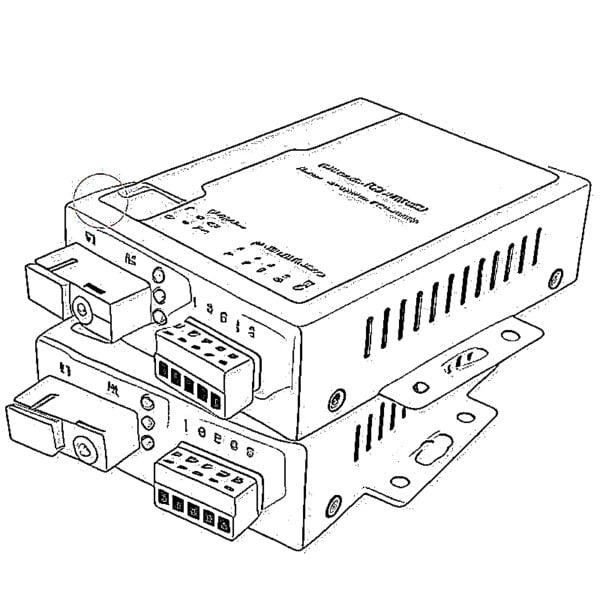 Seriell-Glasfaser-Medienkonverter
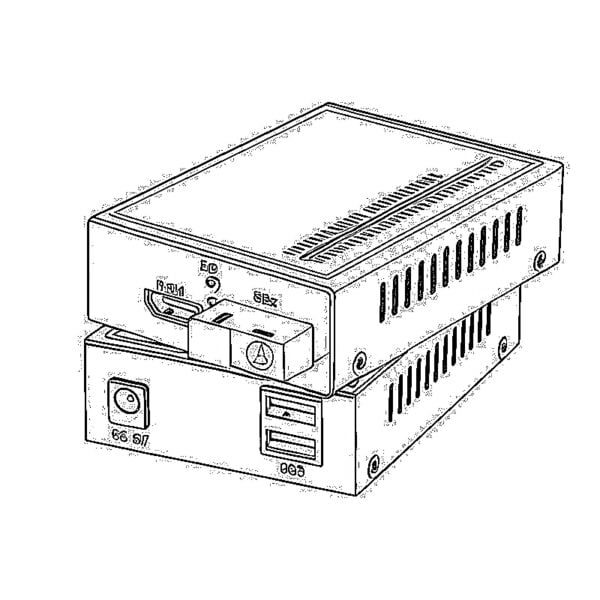 Video zu Glasfaser Medienkonverter
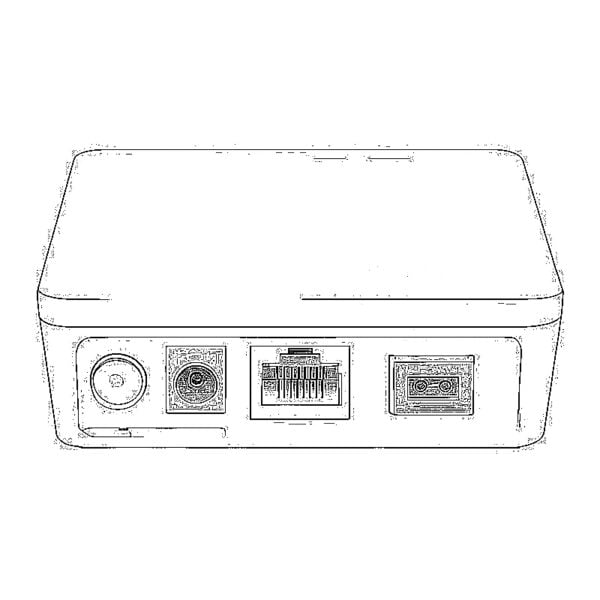 1000M GPON/EPON ONU
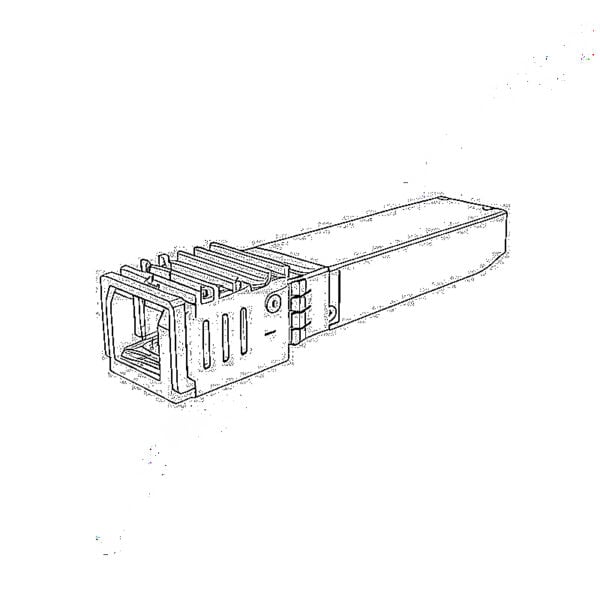 10G EPON ONU/XG-PON/XGS-PON
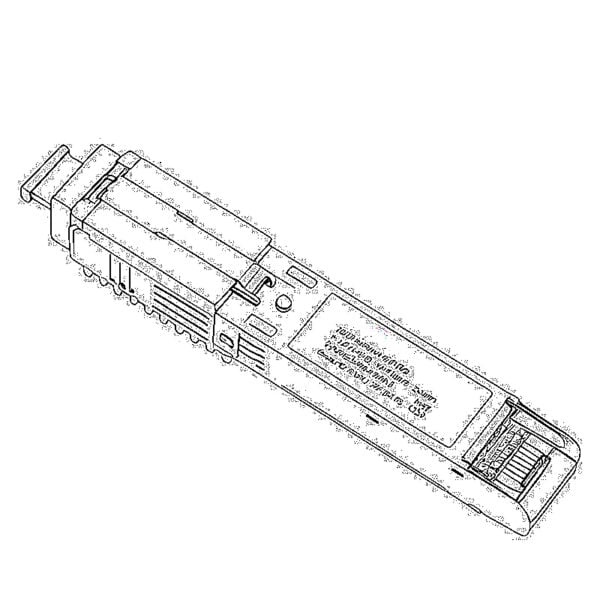 2.5G GPON/XPON STICK SFP ONU
 POE GPON/EPON ONU
 Drahtloser GPON/EPON ONT
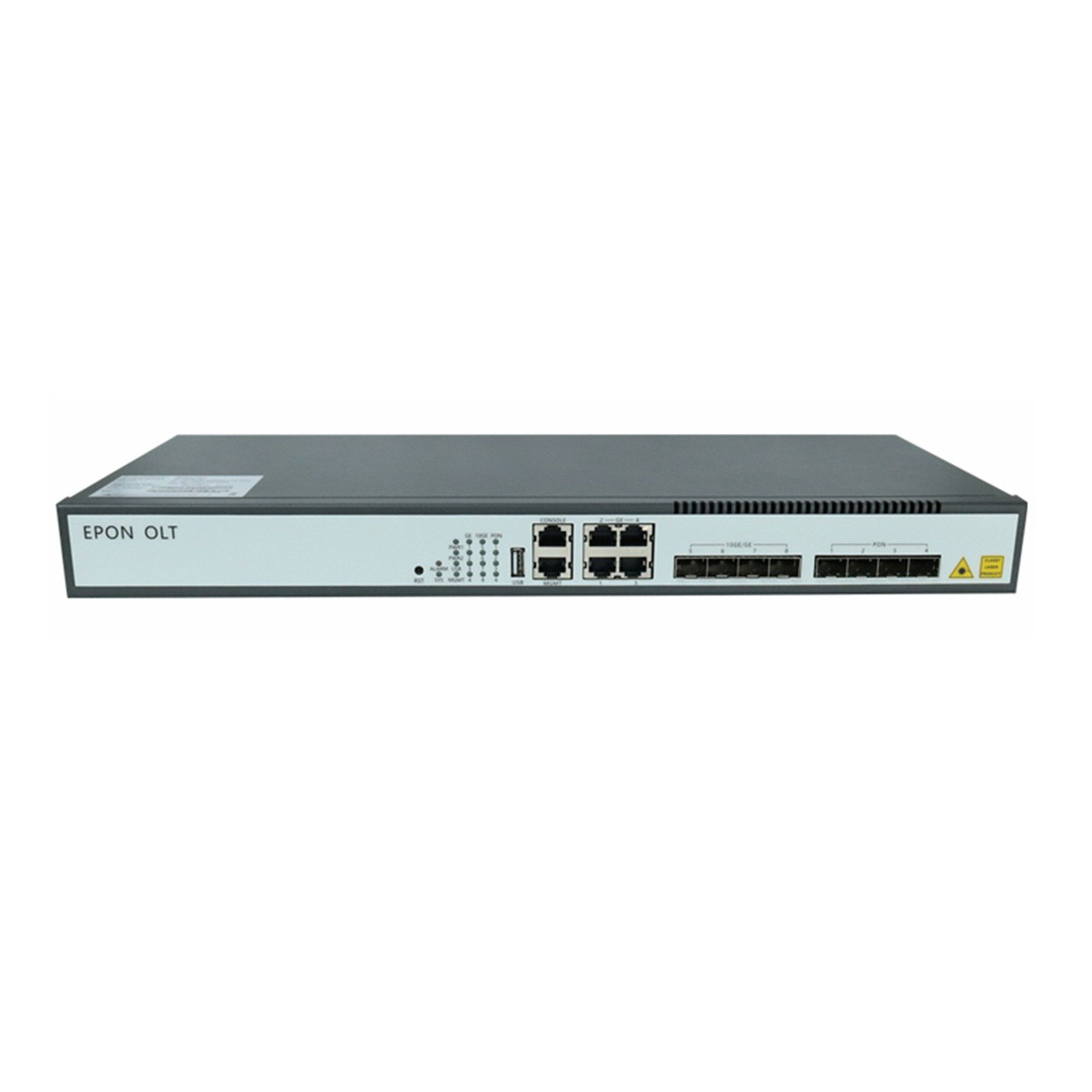
 EPON OLT
 GPON OLT
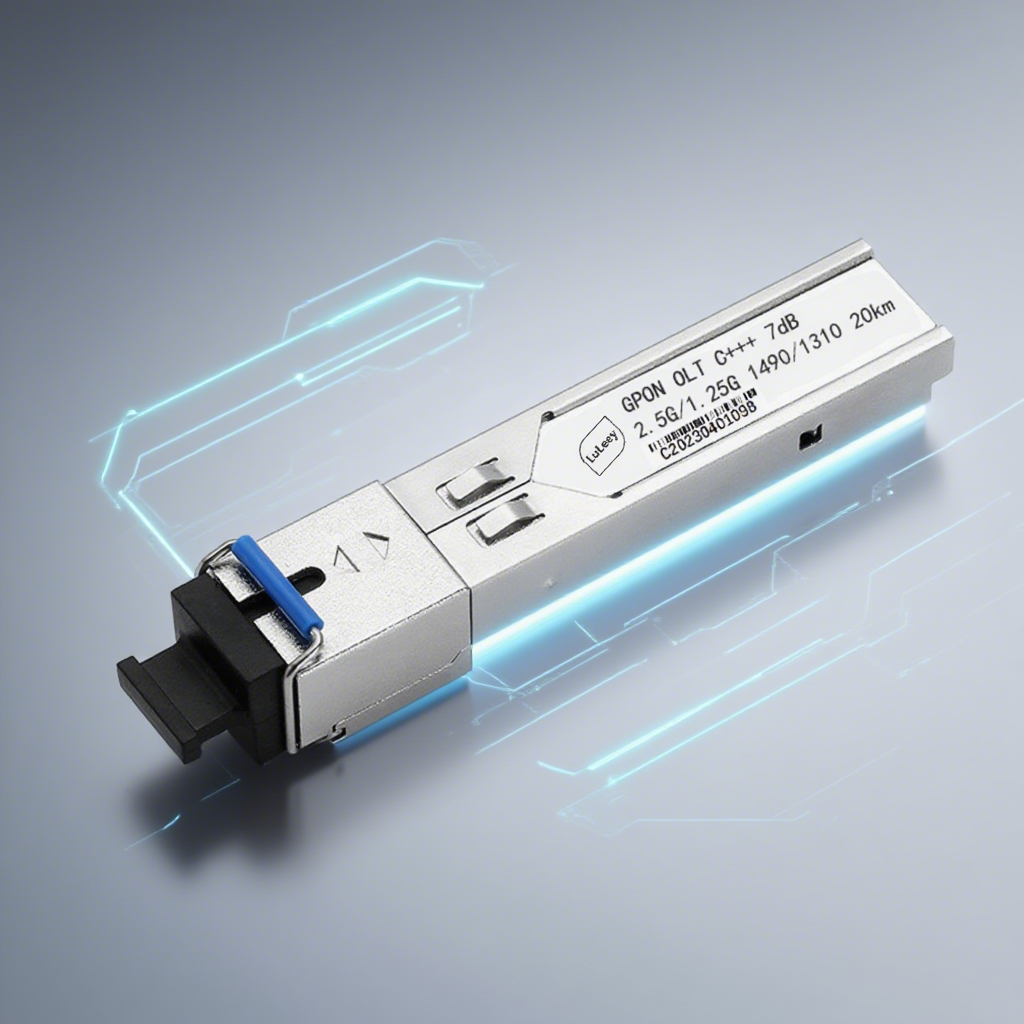
 SFP-PON-Modul
 Industrie-Schalter
 Managed Switches
 POE-Schalter
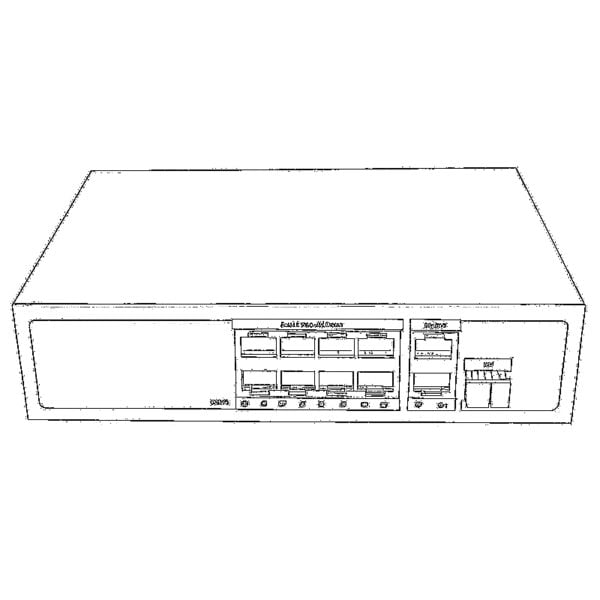 Unmanaged Switches
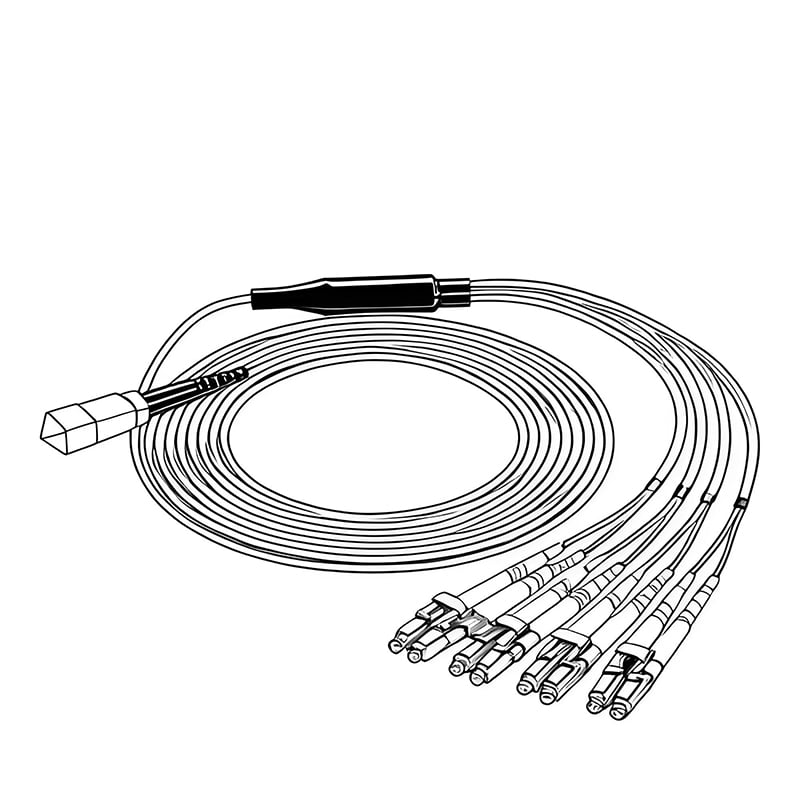
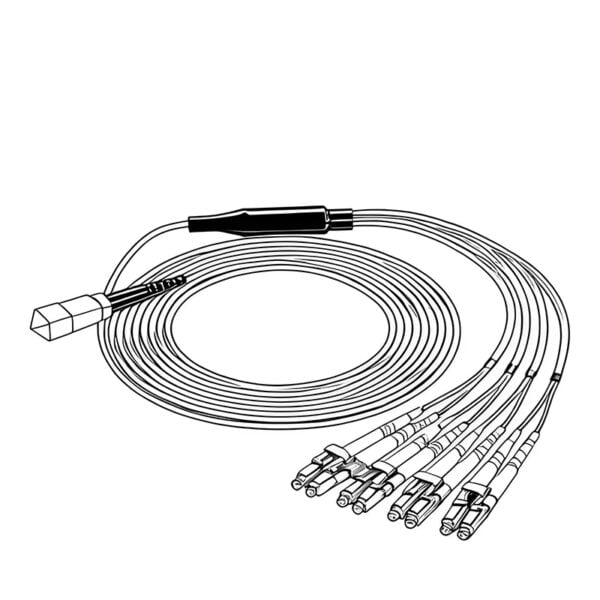 MTP/MPO-Glasfaserkabel
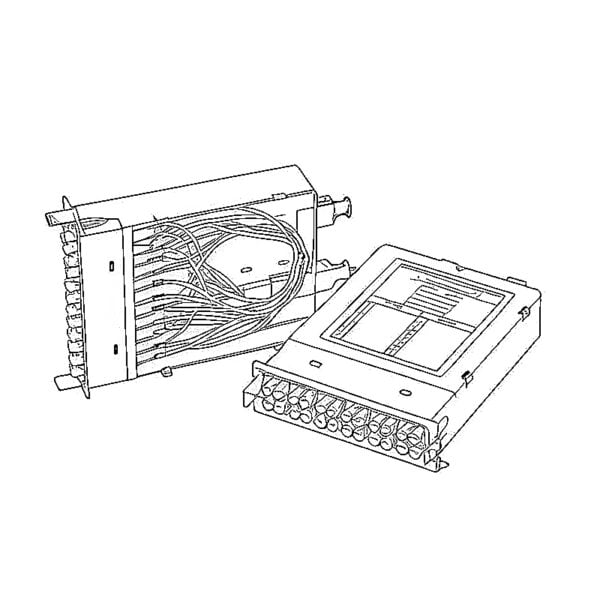 Faseroptische Kassetten
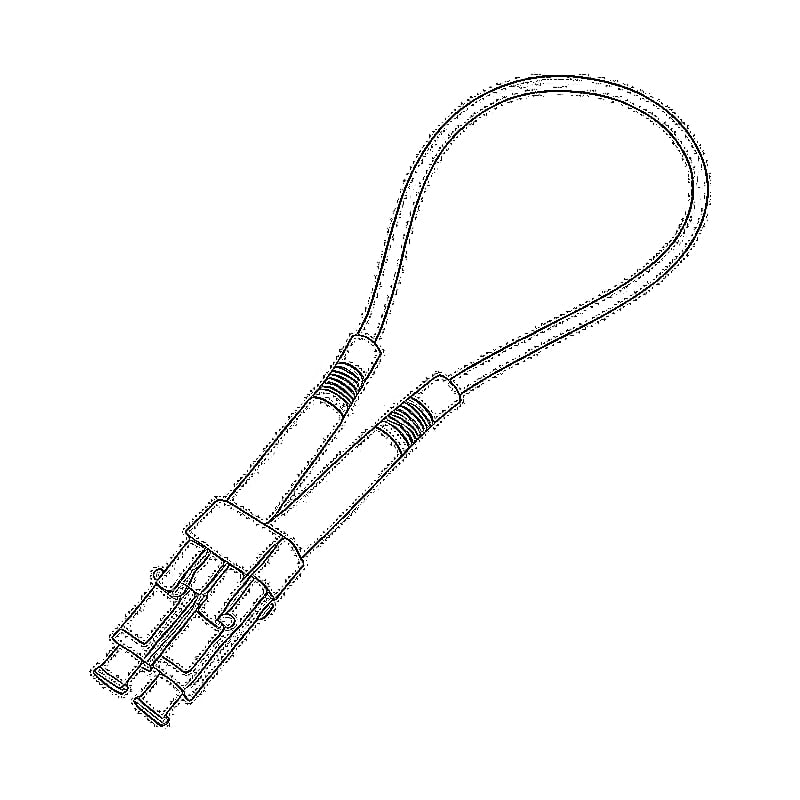
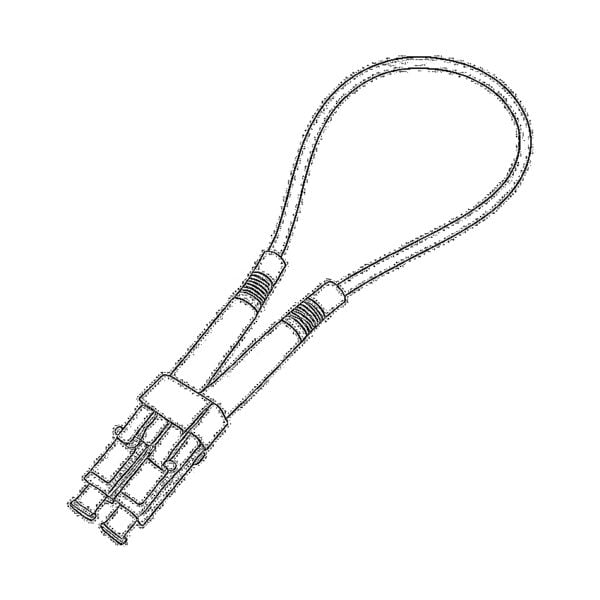 Fiber Optic Loopback
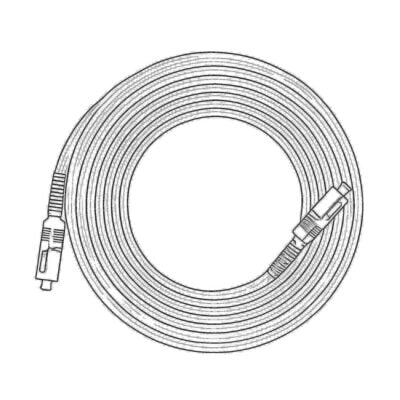 Lichtwellenleiterkabel und Faserpigtails
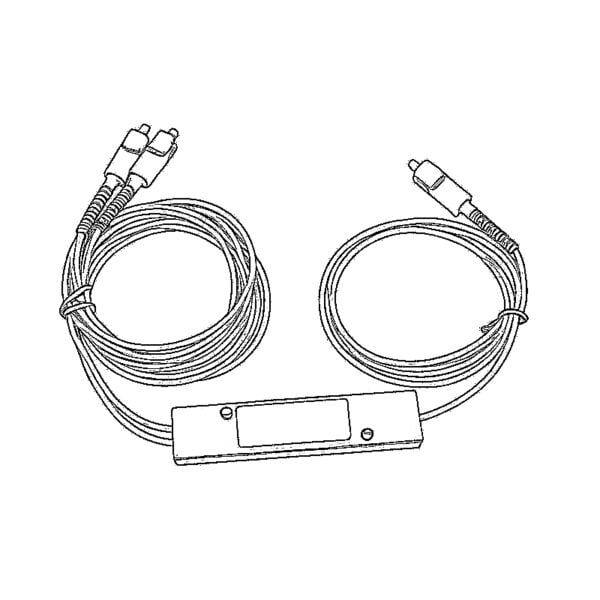 Optische Splitter und Splitterbox
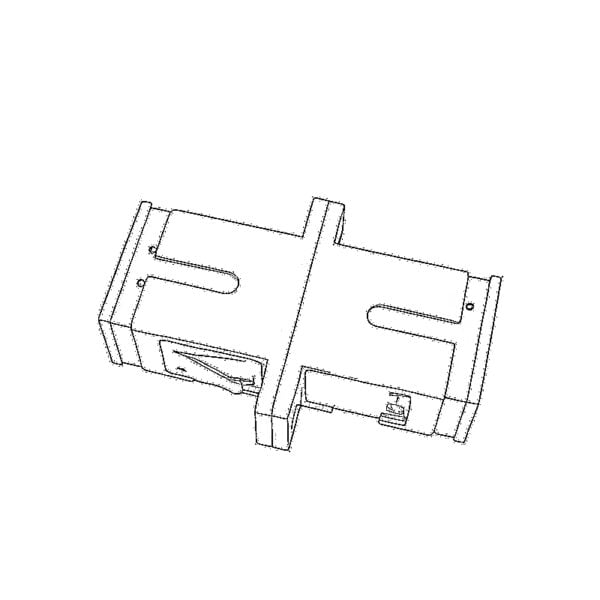 Faserflansch-Verbinder
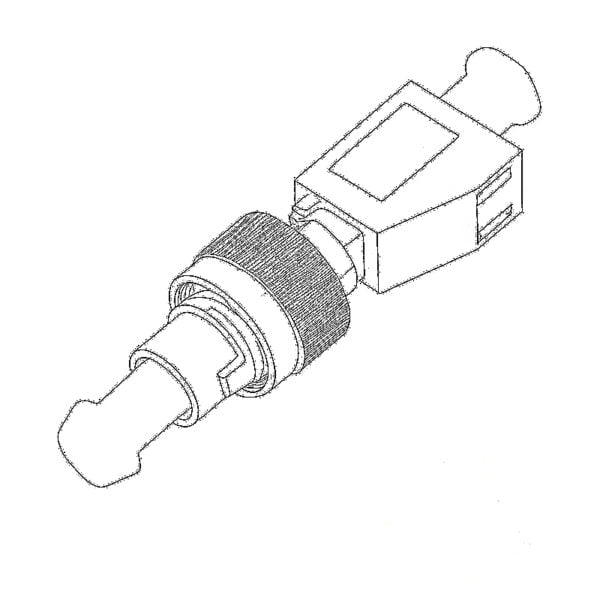 Optische Adapter
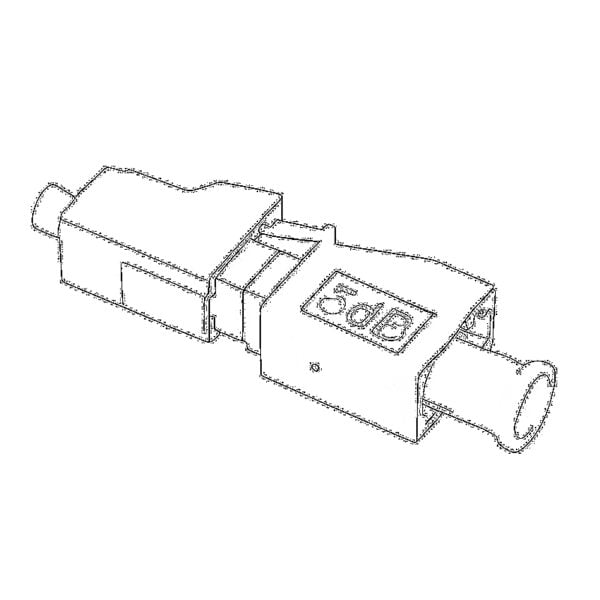 Optisches Dämpfungsglied
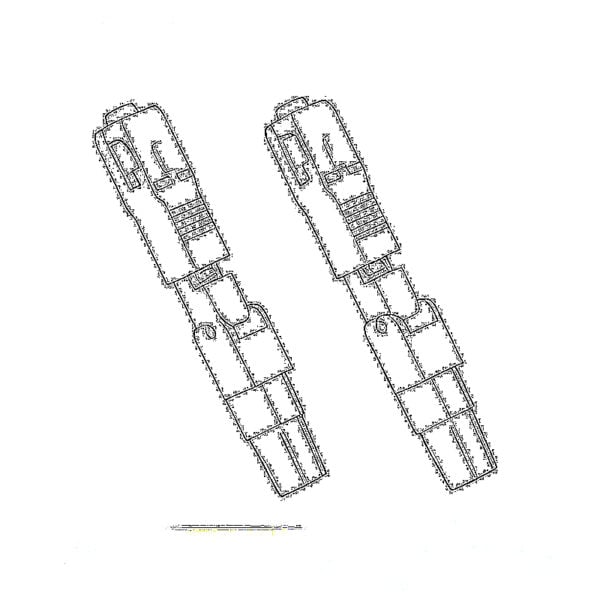 Schnellanschluss und Anschlussfeld
 CATV-Verstärker
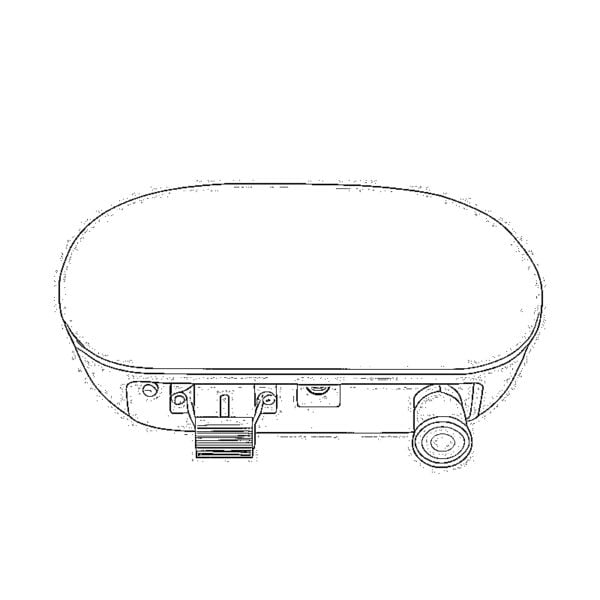 Optischer CATV-Empfänger
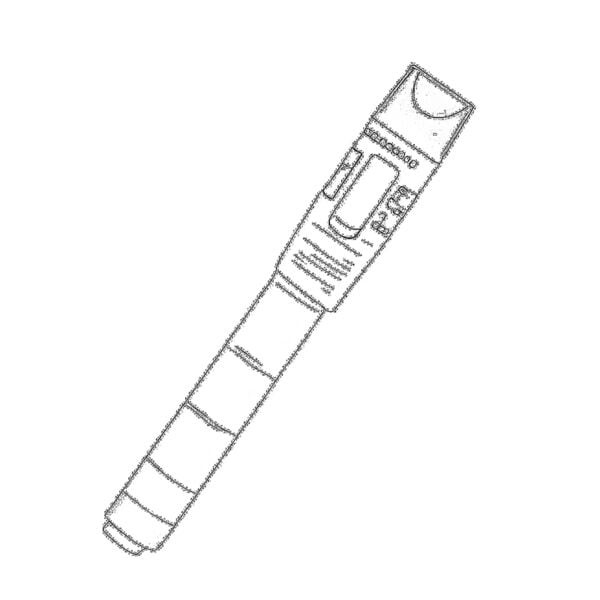 Visuelle Fehlersuche
 OTDR
OTDR Optischer Leistungsmesser
 Faseroptische Kennung
 Faseroptische Reiniger
 Fiber Cleavers & Fiber Strippers
 Werkzeuge aus Kupfer


