Les droits de douane sont à la charge des clients, mais la logistique standard prend en charge les envois DDP vers la plupart des pays, sans droits de douane, tels que US, DE, UK, CA, FR, IT, PL, AT, JP...

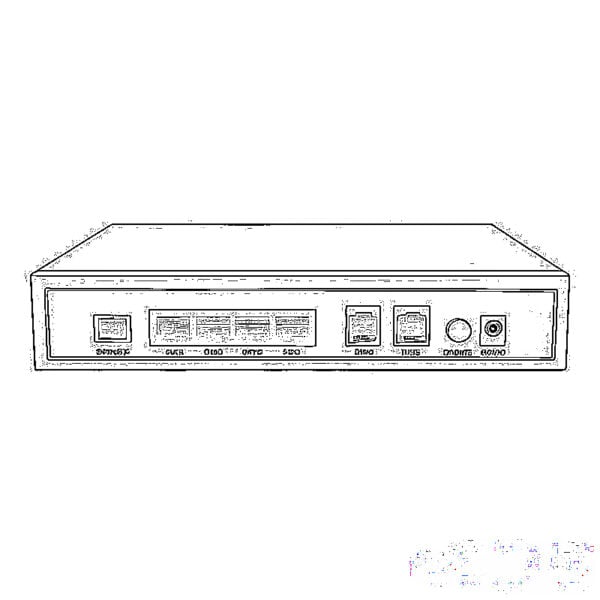
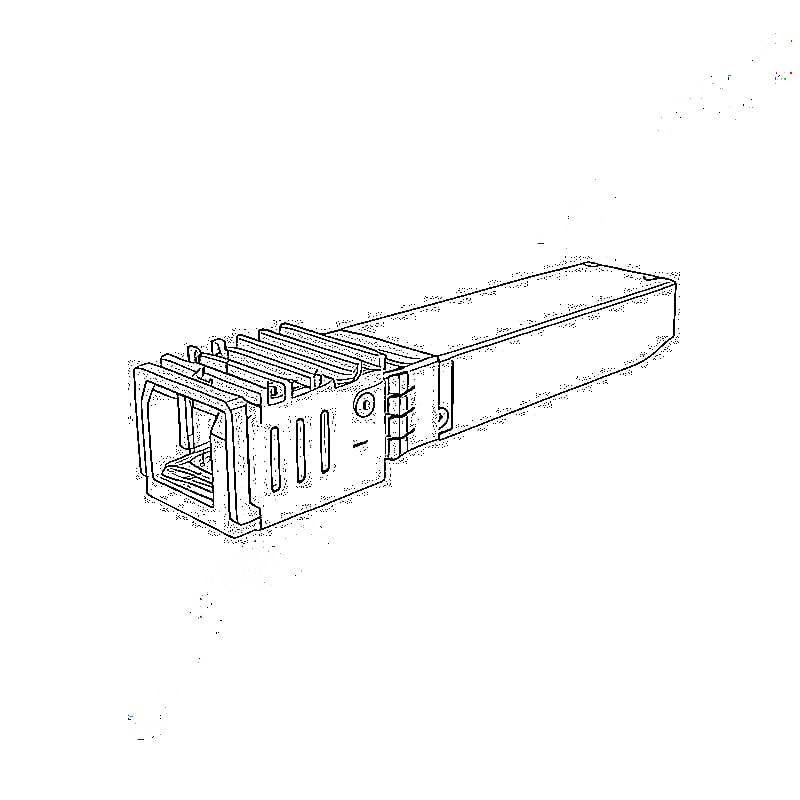
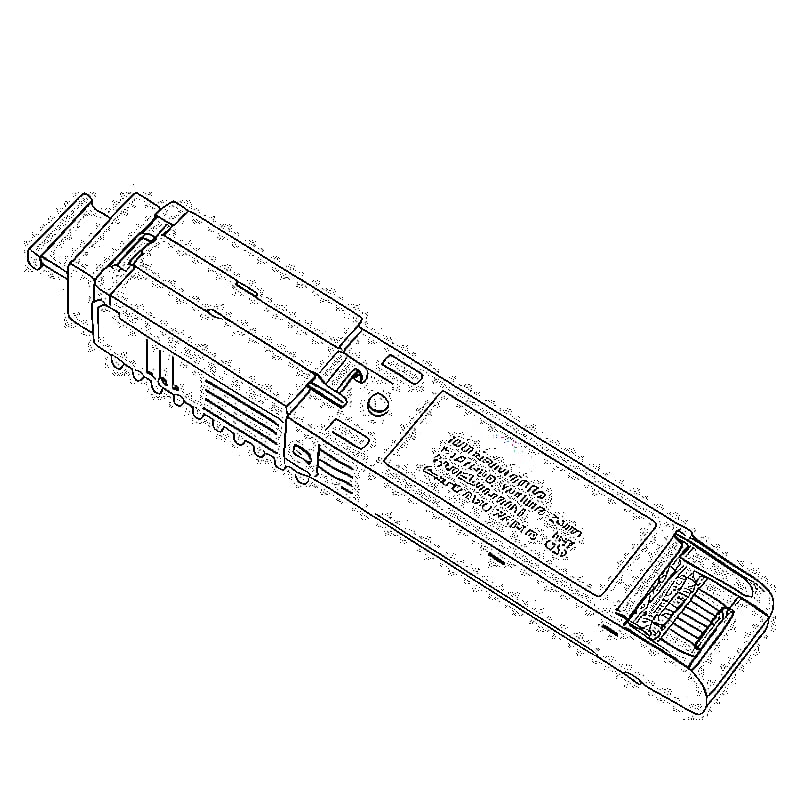
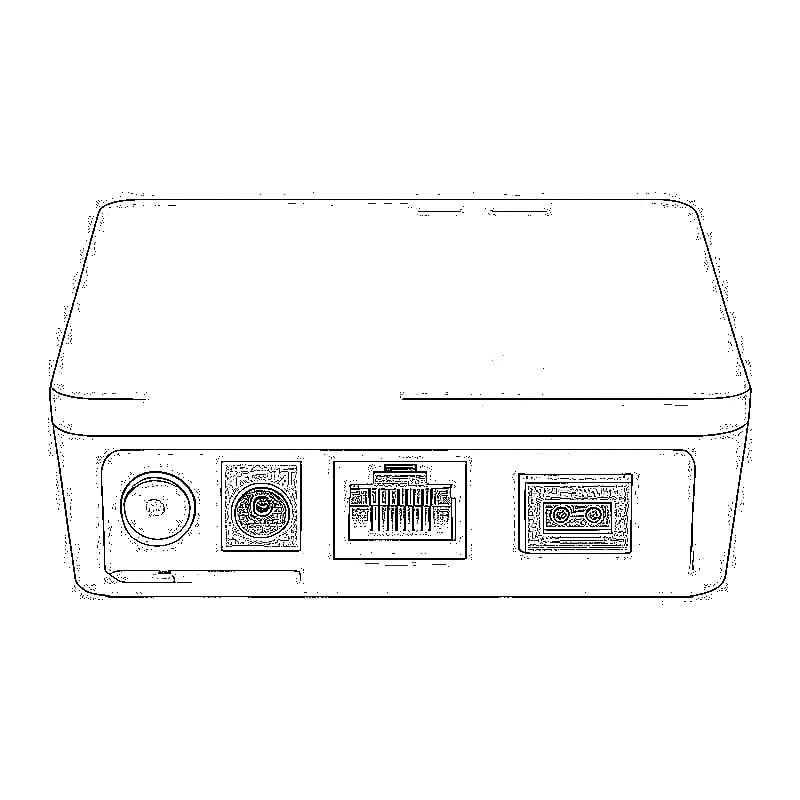
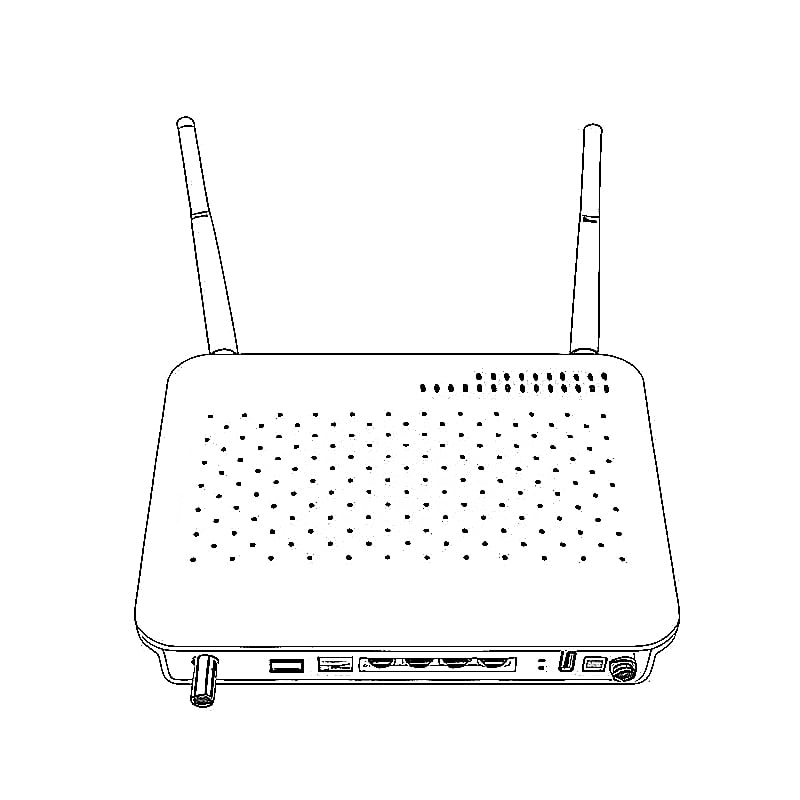
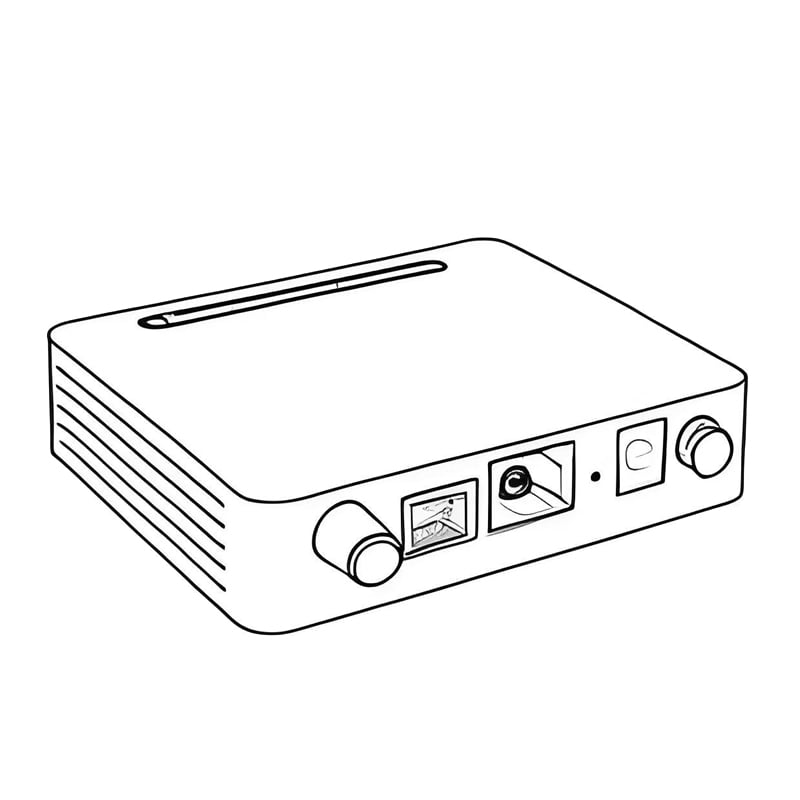
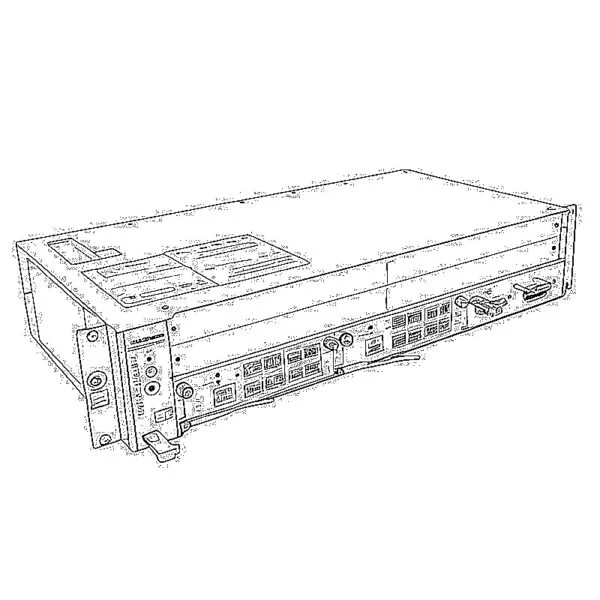
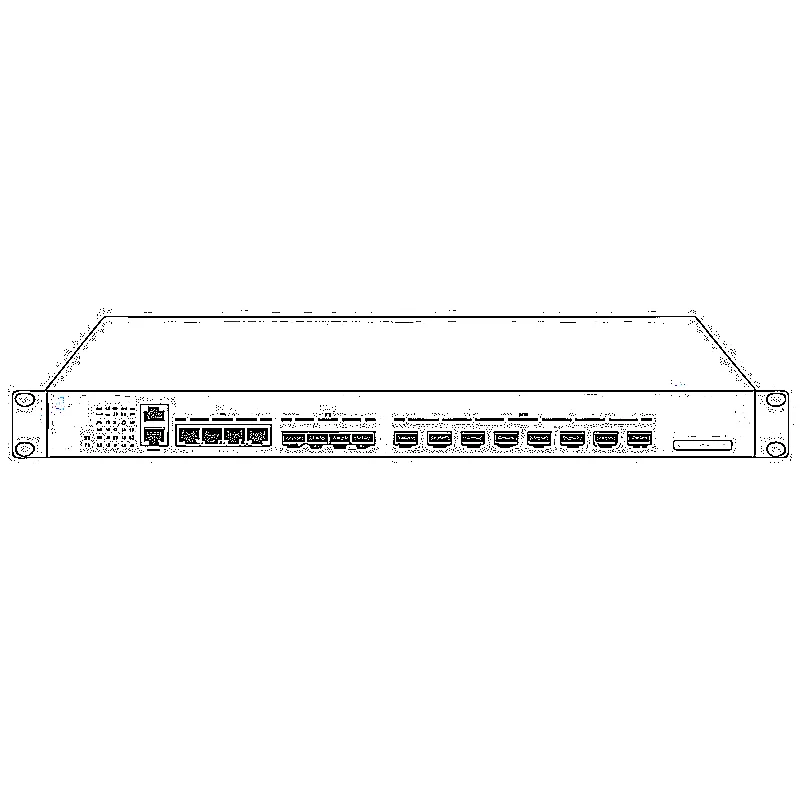
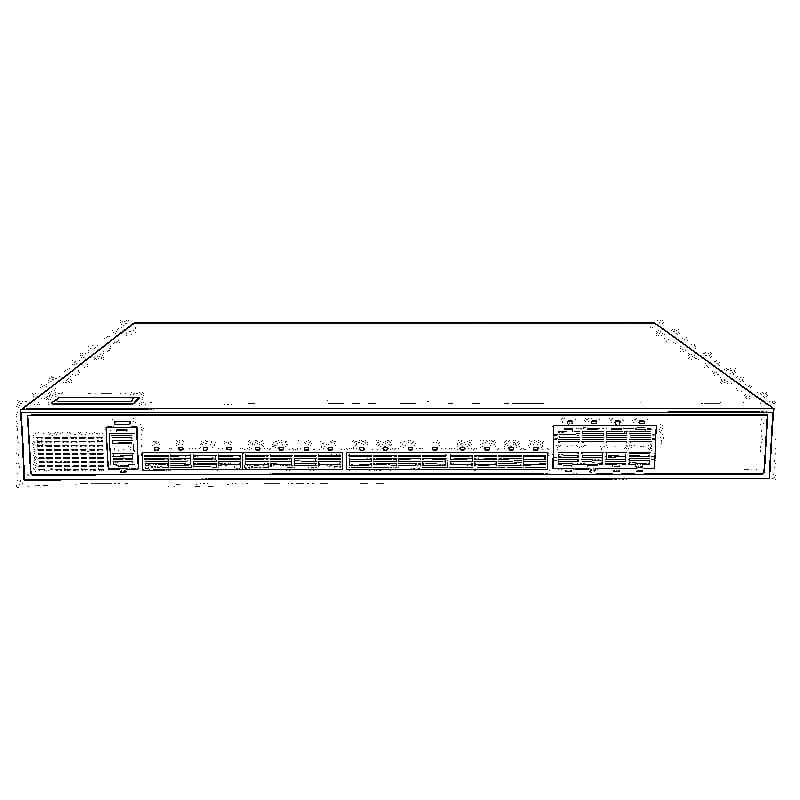
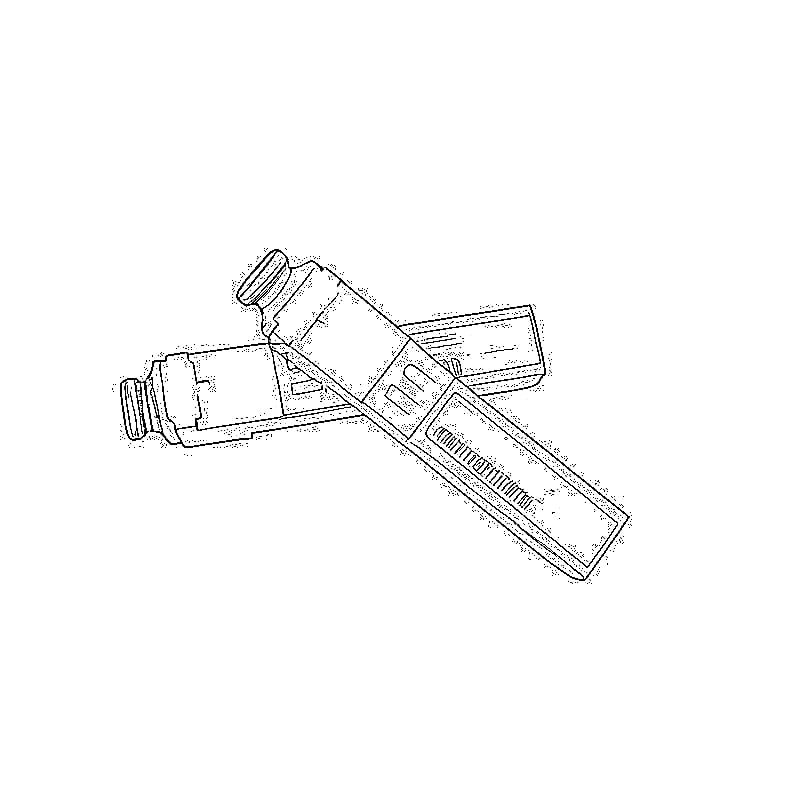
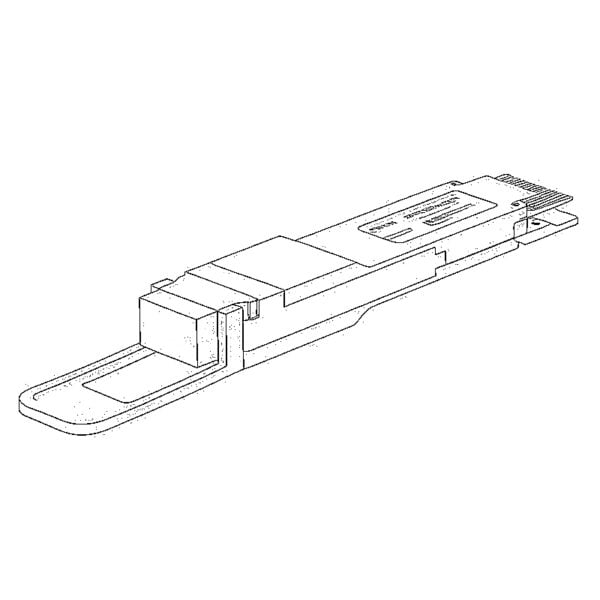
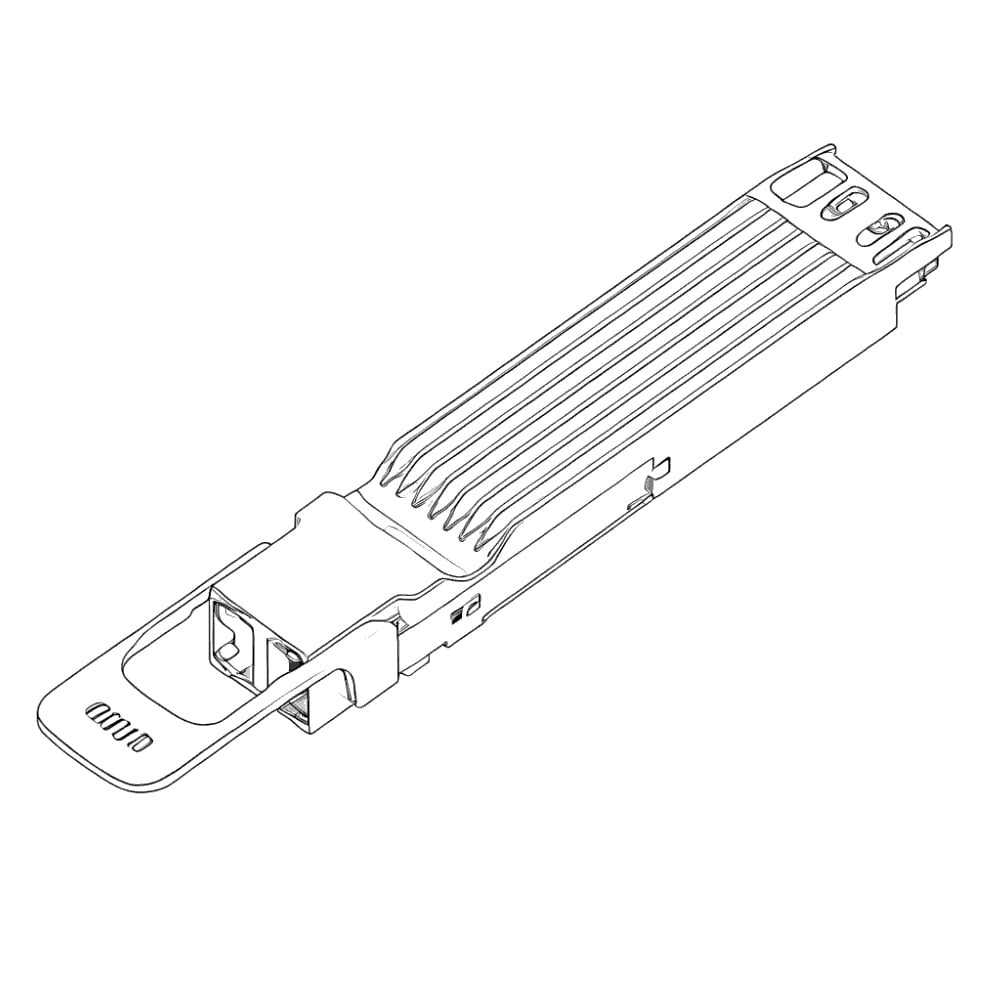
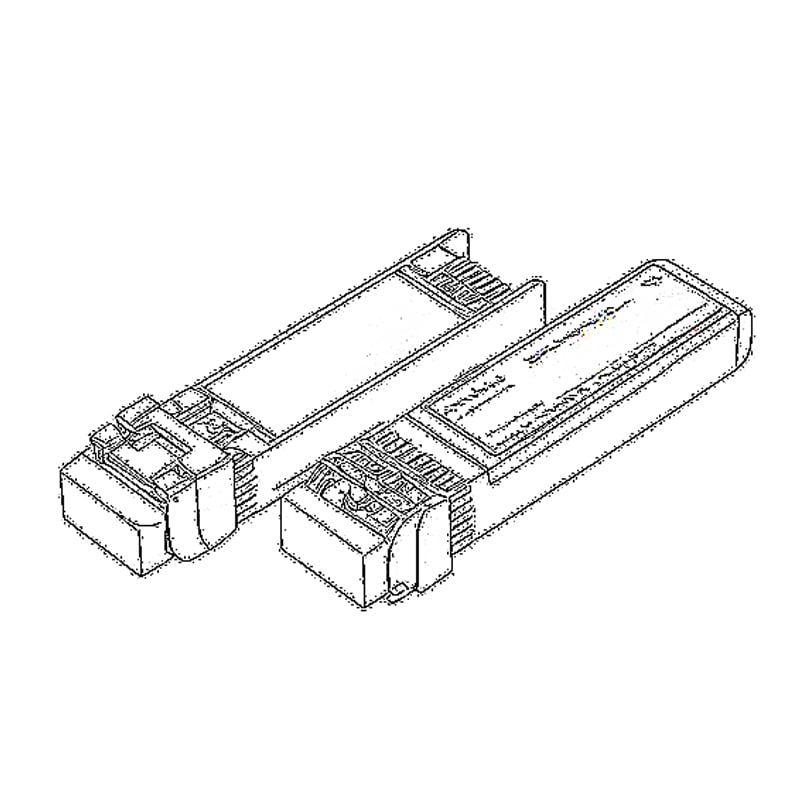
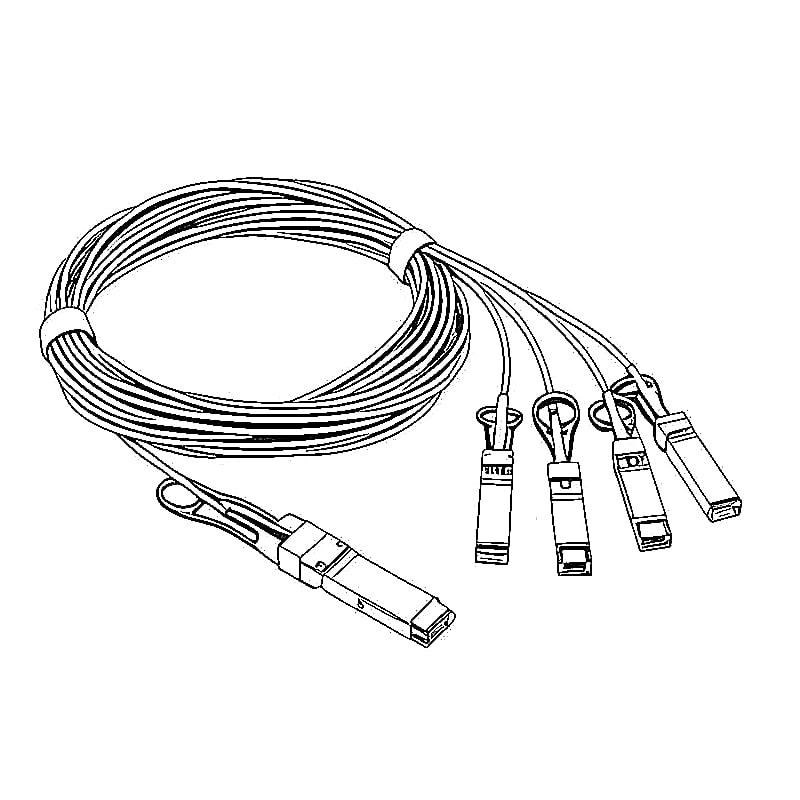
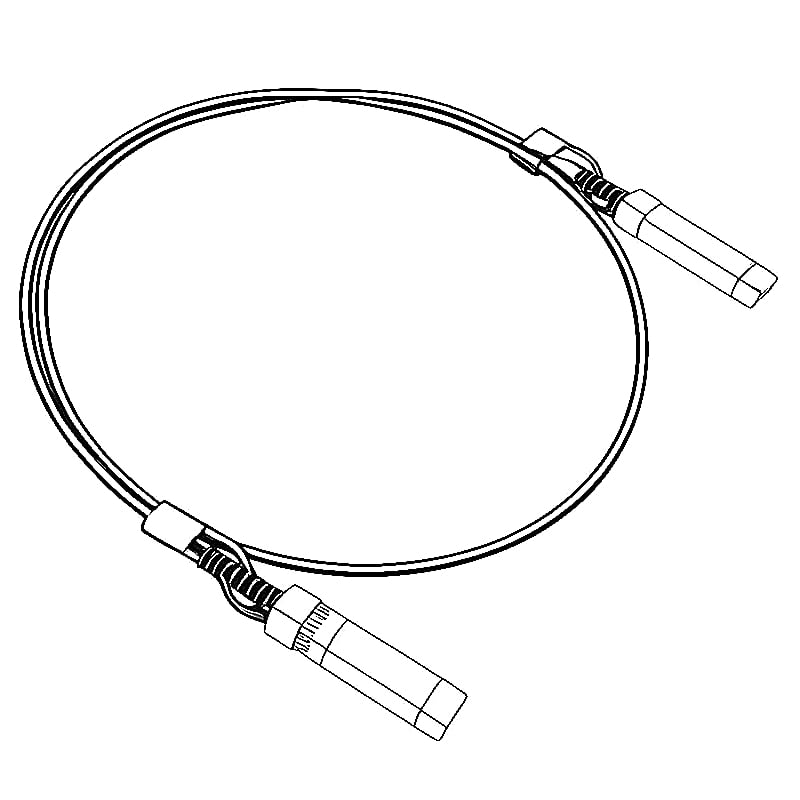
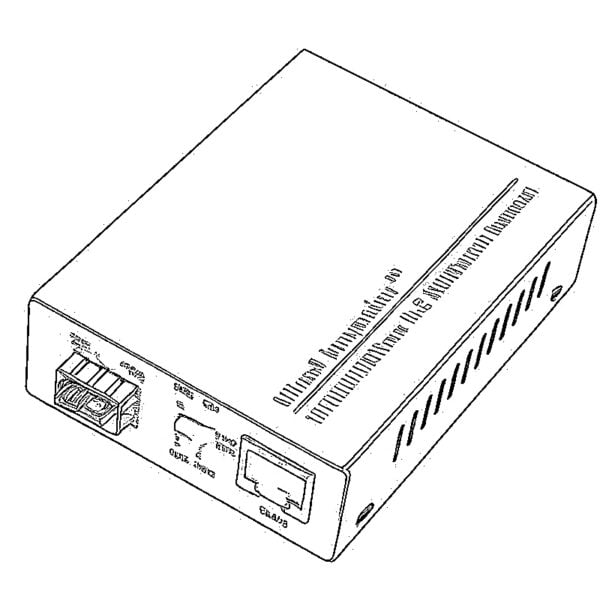
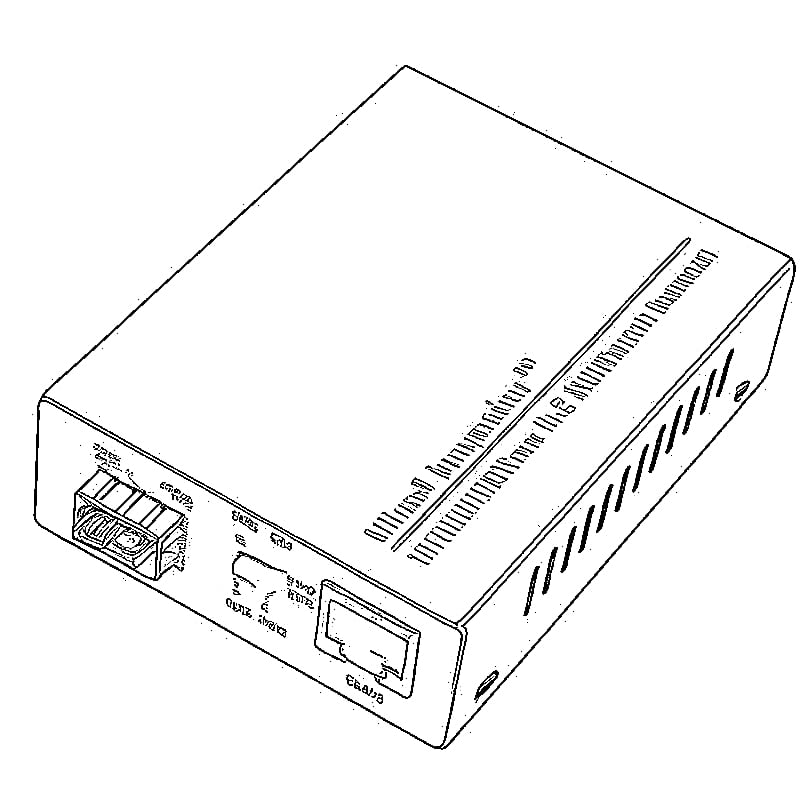
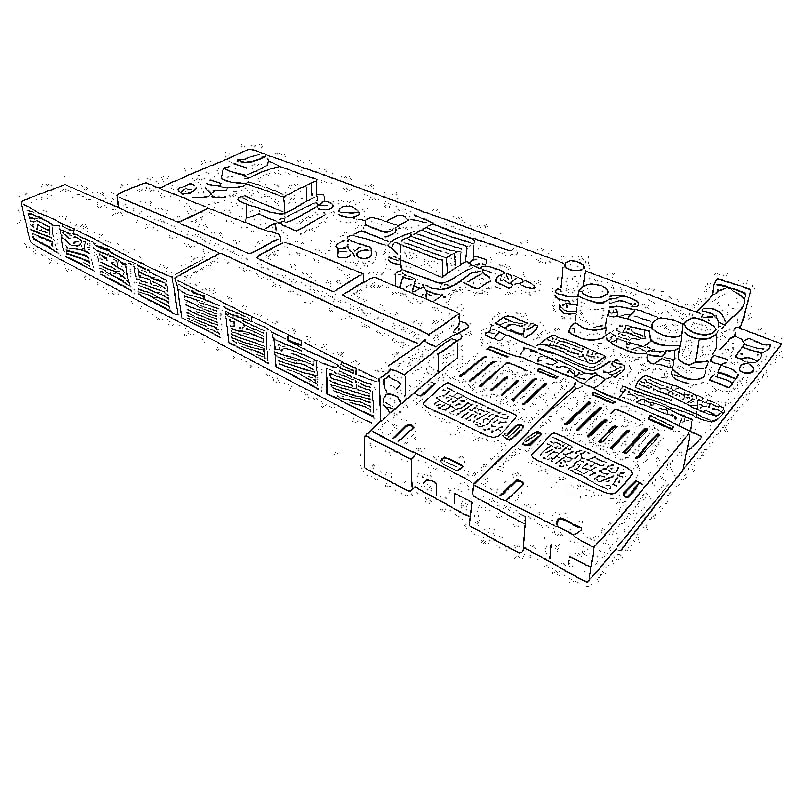
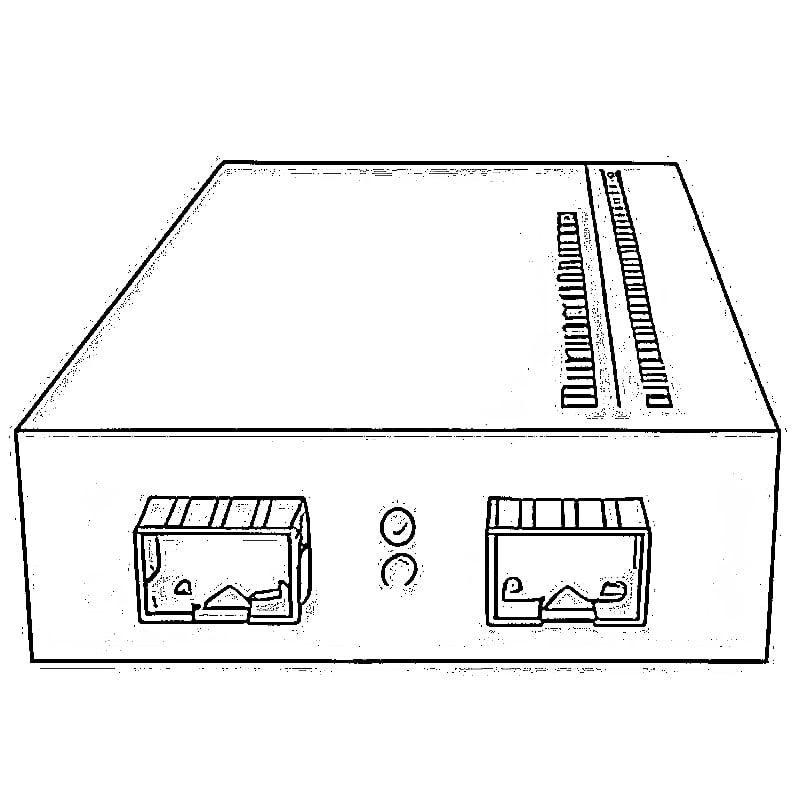
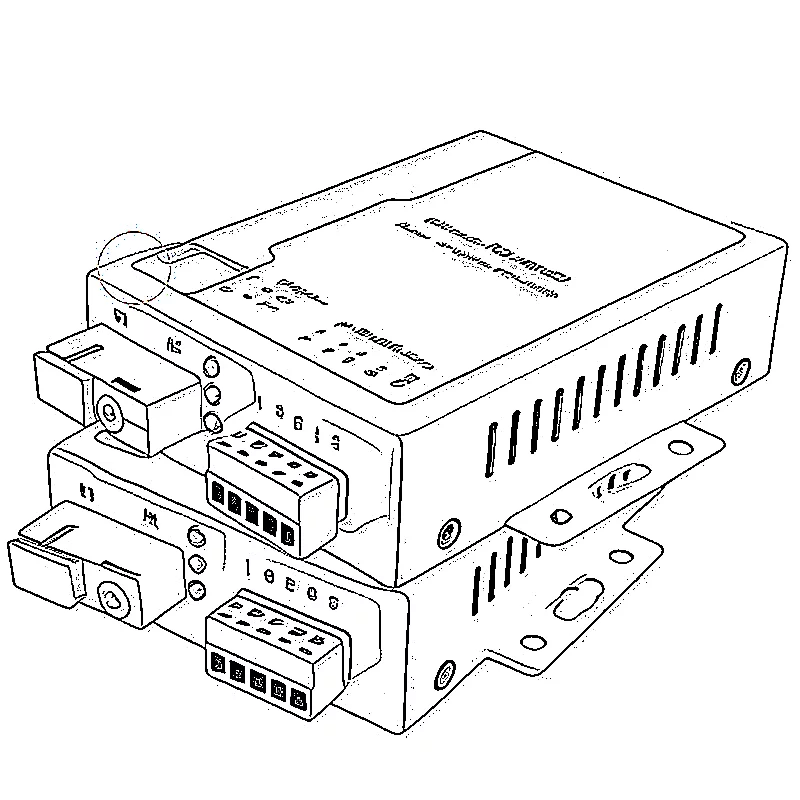
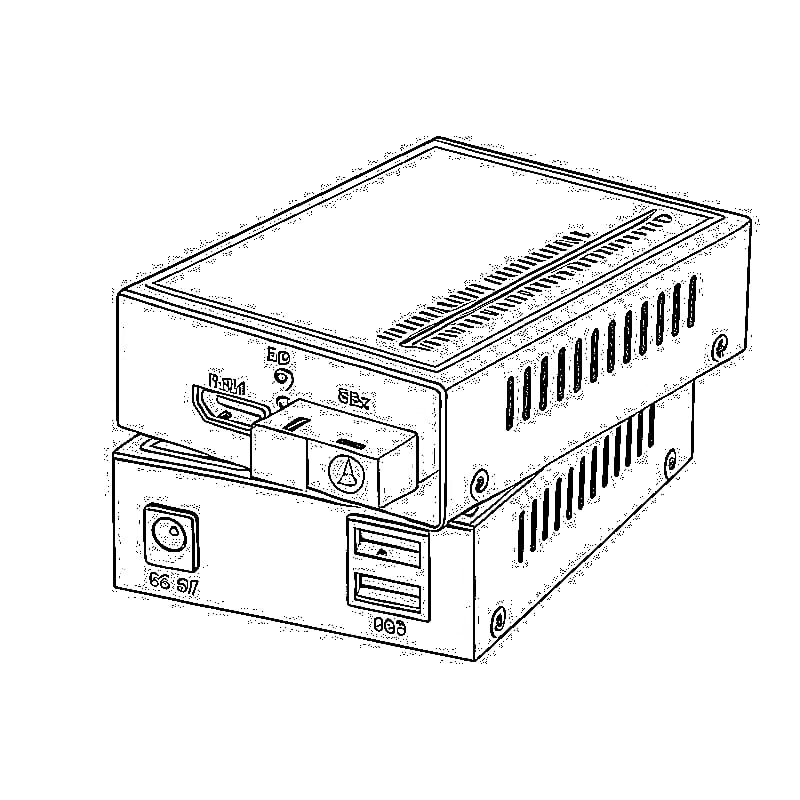
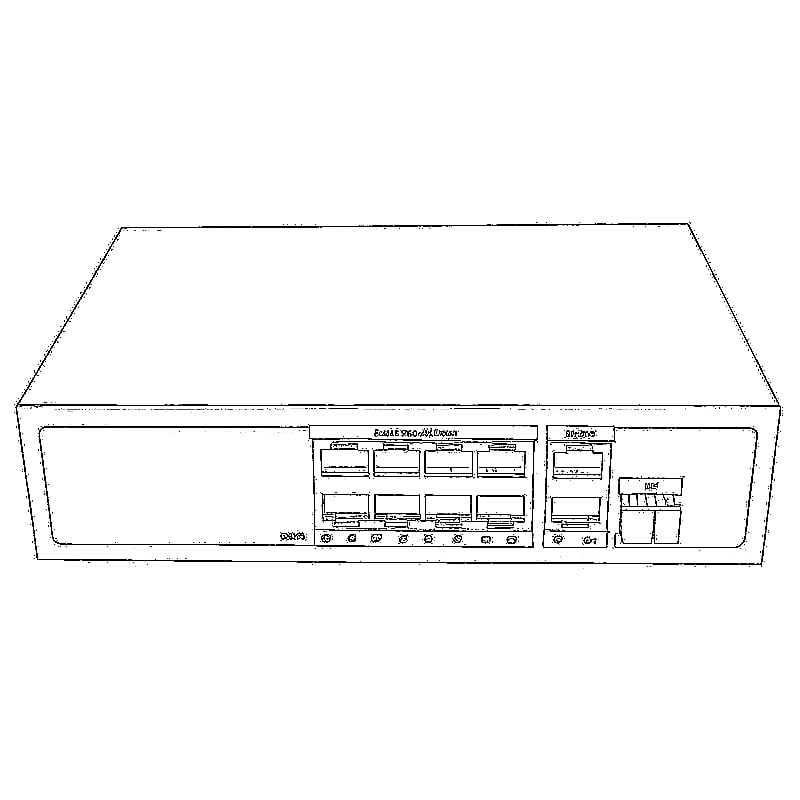
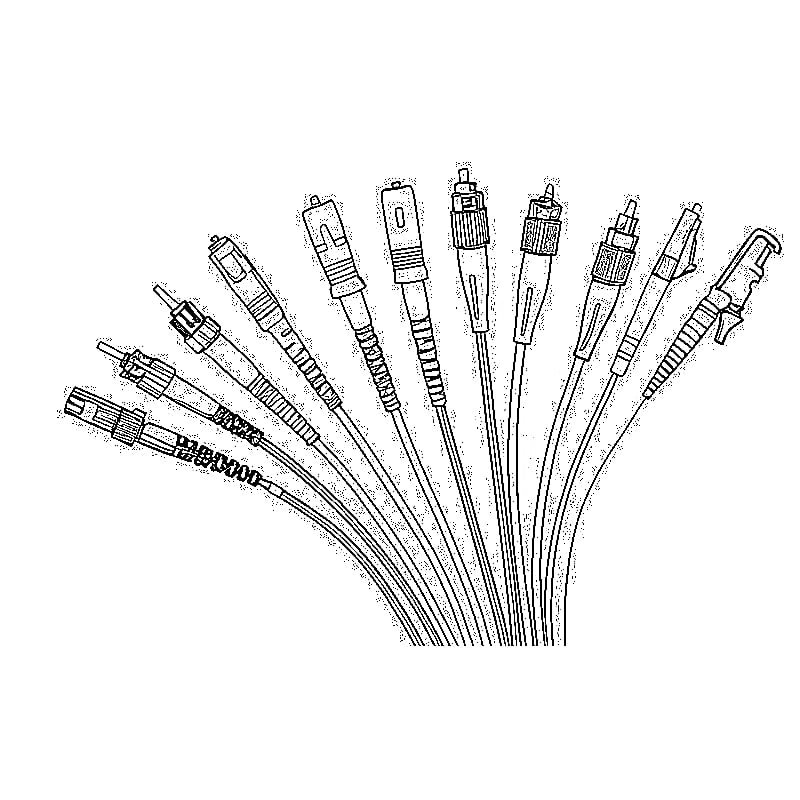

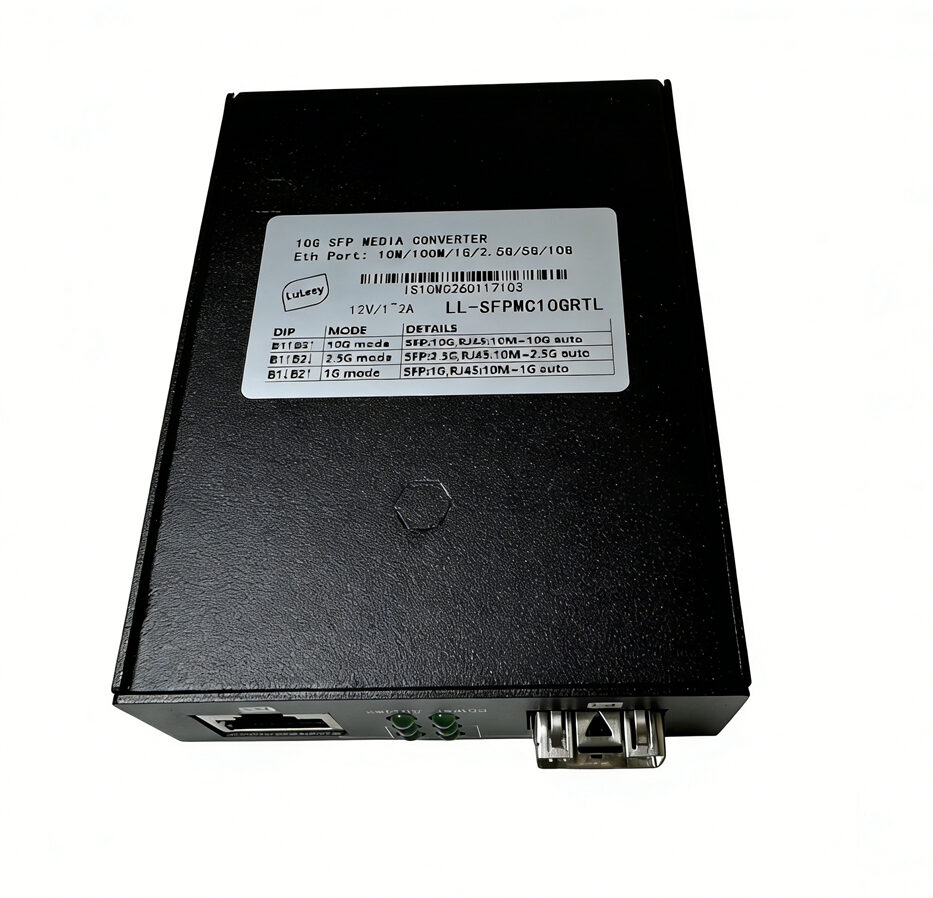
Émetteur-récepteur optique : Fonctions principales, caractéristiques et scénarios d'application pratique
1. Fonctions principales
- Conversion des signaux optiques/électriques: Convertit les signaux électriques émis par des dispositifs tels que les ordinateurs et les commutateurs en signaux optiques pour les transmettre par des fibres optiques ; à l'extrémité réceptrice, il reconvertit les signaux optiques en signaux électriques.
- Distance de transmission étendue: Résout le problème de la distance de transmission limitée (100 mètres) des câbles Ethernet en étendant la distance de transmission à plusieurs kilomètres, voire à des centaines de kilomètres, à l'aide de fibres optiques.
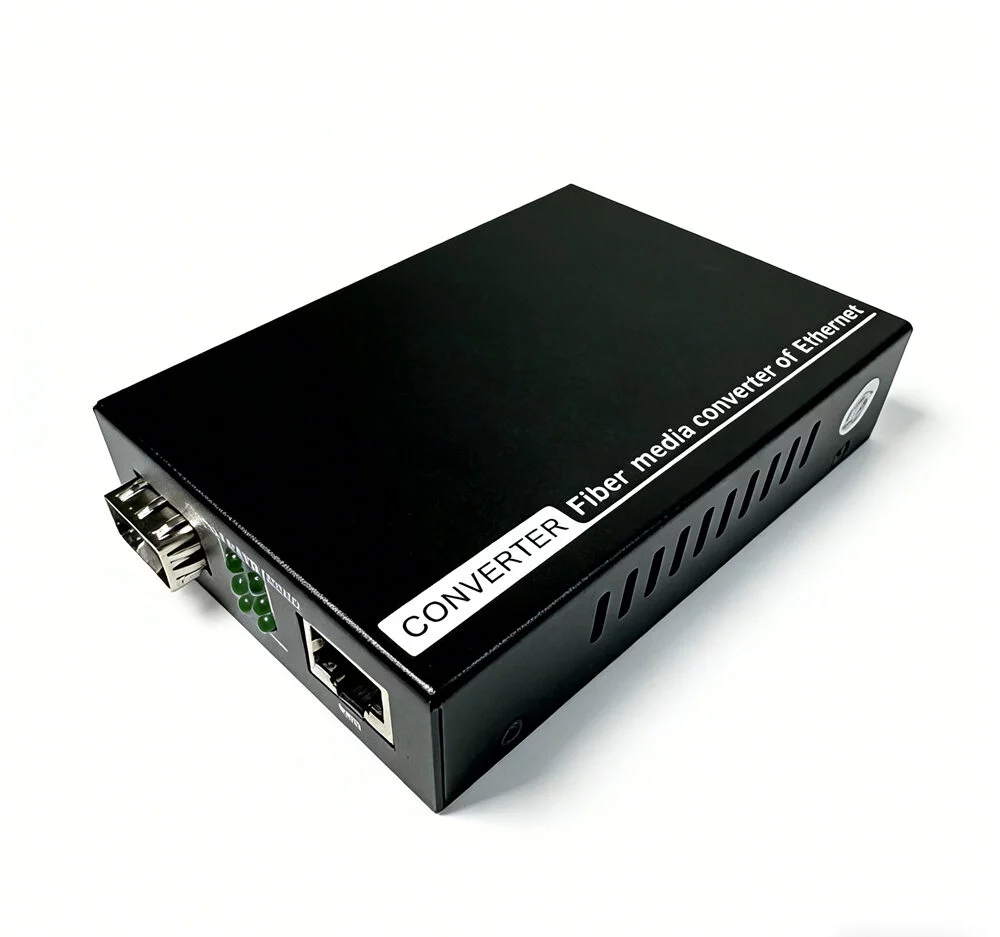
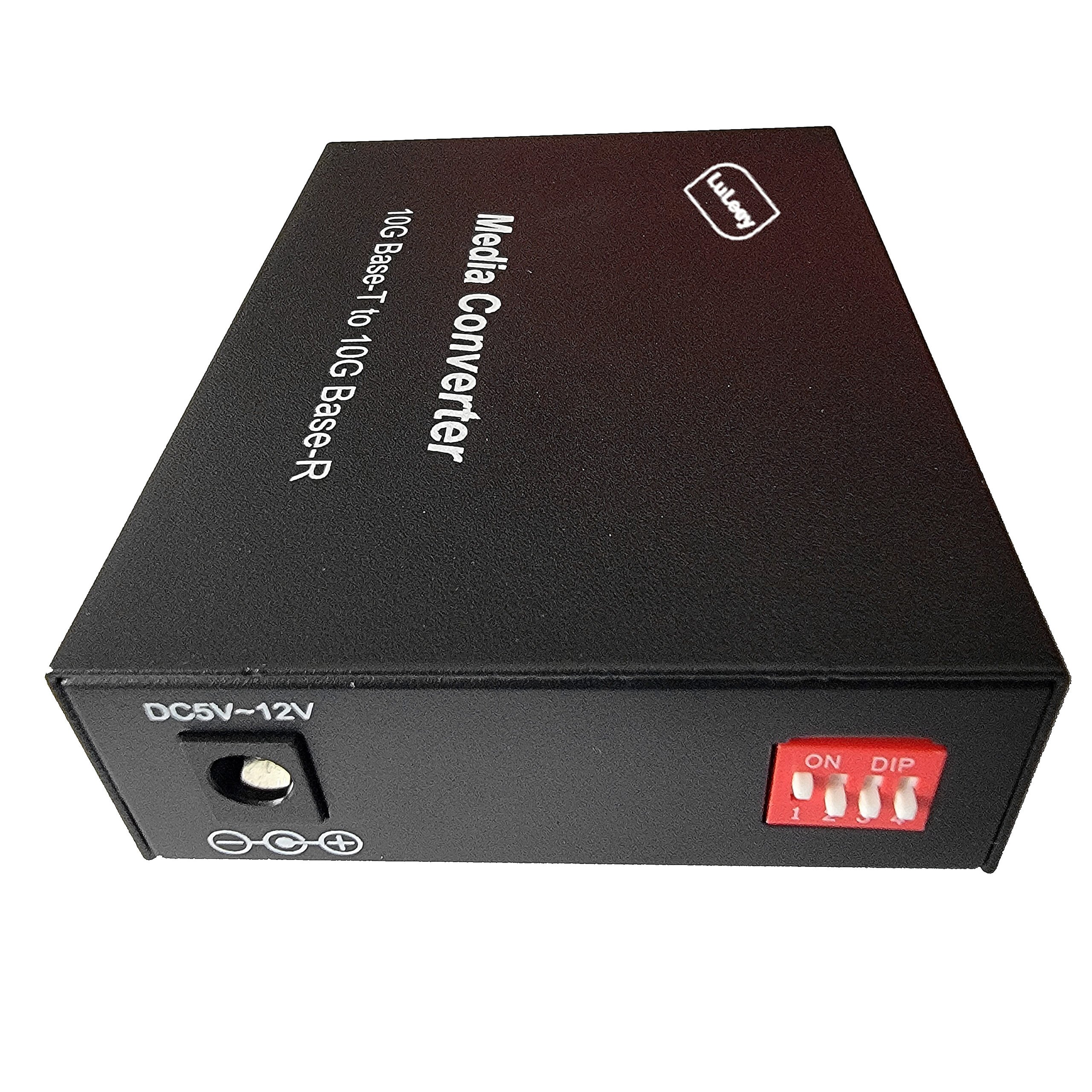
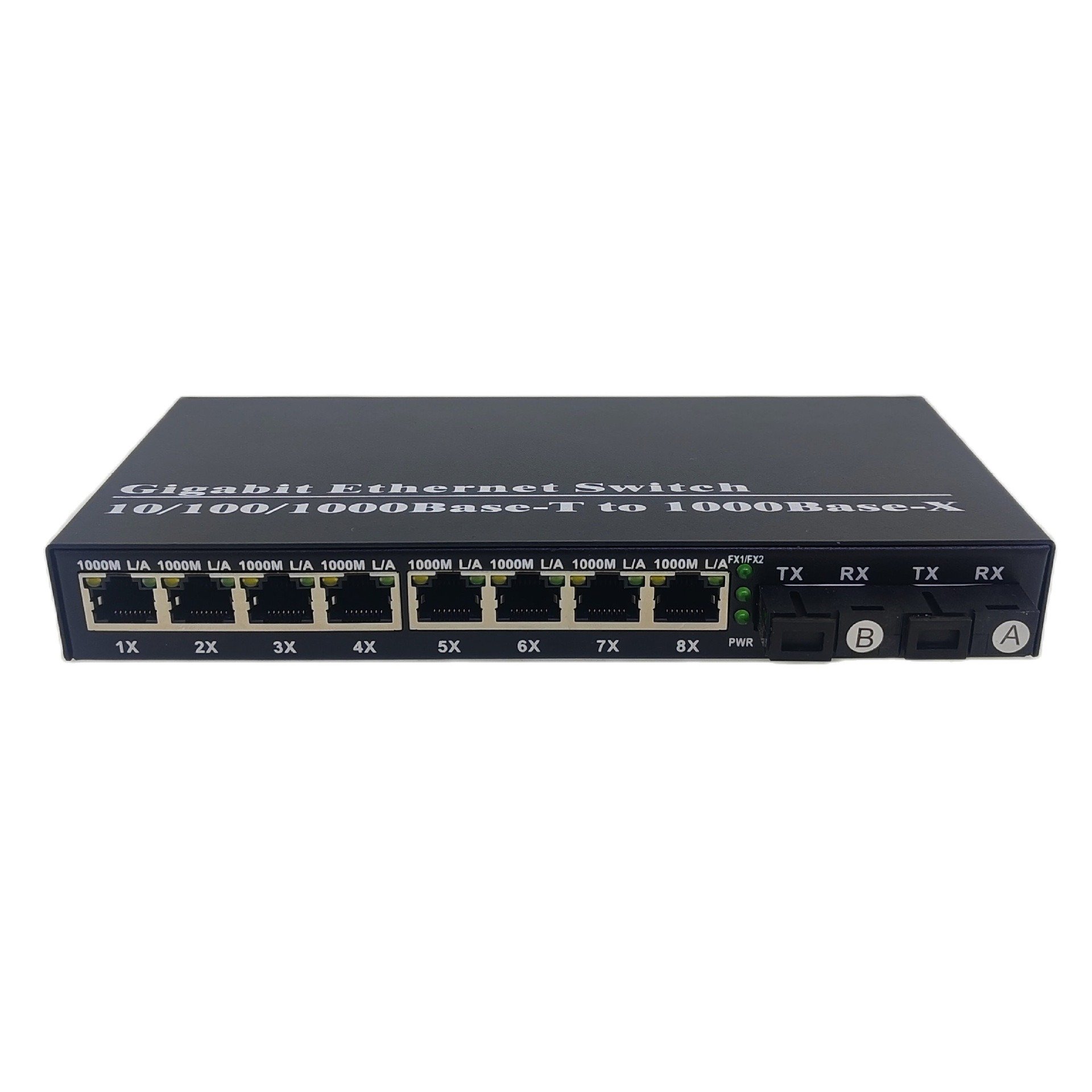
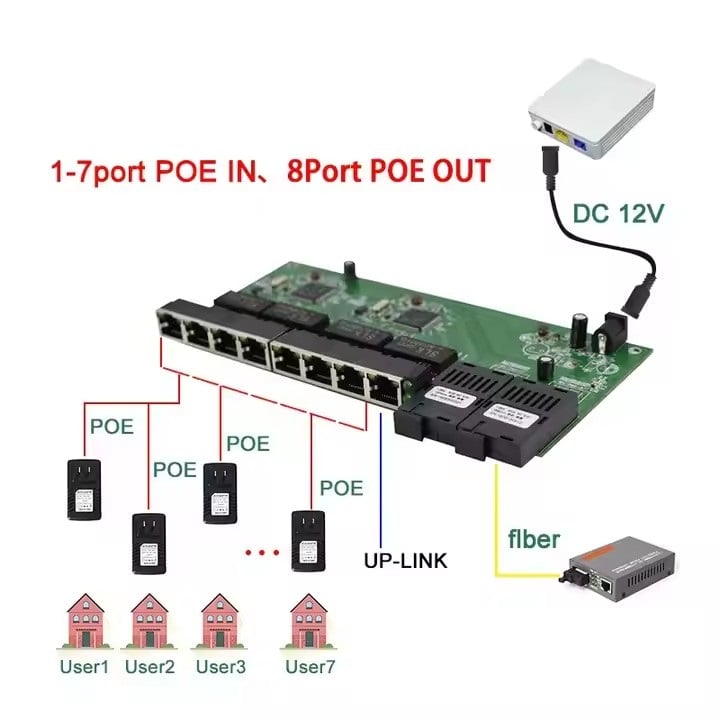
- Interconnexion de différents médias: CONVERTISSEUR DE MÉDIAS, Permet une interconnexion transparente entre les réseaux de câbles en cuivre et les réseaux de fibres optiques, en prenant en charge la conversion entre les fibres monomodes/multimodes, les systèmes monofibres/doubles fibres et les différentes longueurs d'onde ou débits.
- Réduction des coûts et mise en réseau flexible: Il s'agit d'une solution économique pour la mise à niveau des réseaux de câbles en cuivre vers des réseaux de fibres optiques, qui permet aux utilisateurs de choisir différents types en fonction de leurs besoins et d'économiser sur l'investissement.
- Amélioration des performances du réseau: La transmission de signaux optiques se caractérise par une faible perte, une vitesse élevée et une forte résistance aux interférences électromagnétiques, ce qui la rend adaptée aux environnements de communication à grande vitesse, à longue distance et hautement sécurisés.
2. Caractéristiques principales
Caractéristique 1 : Compatibilité multi-taux (réalisable par commutateurs DIP)
- Port SFP: 10G/2,5G/1,0G
- Port Ethernet RJ45: 10M/100M/1000M/2.5G/5G/10G
Fonctionnalité 2 : Prise en charge de divers scénarios d'application des modules optiques
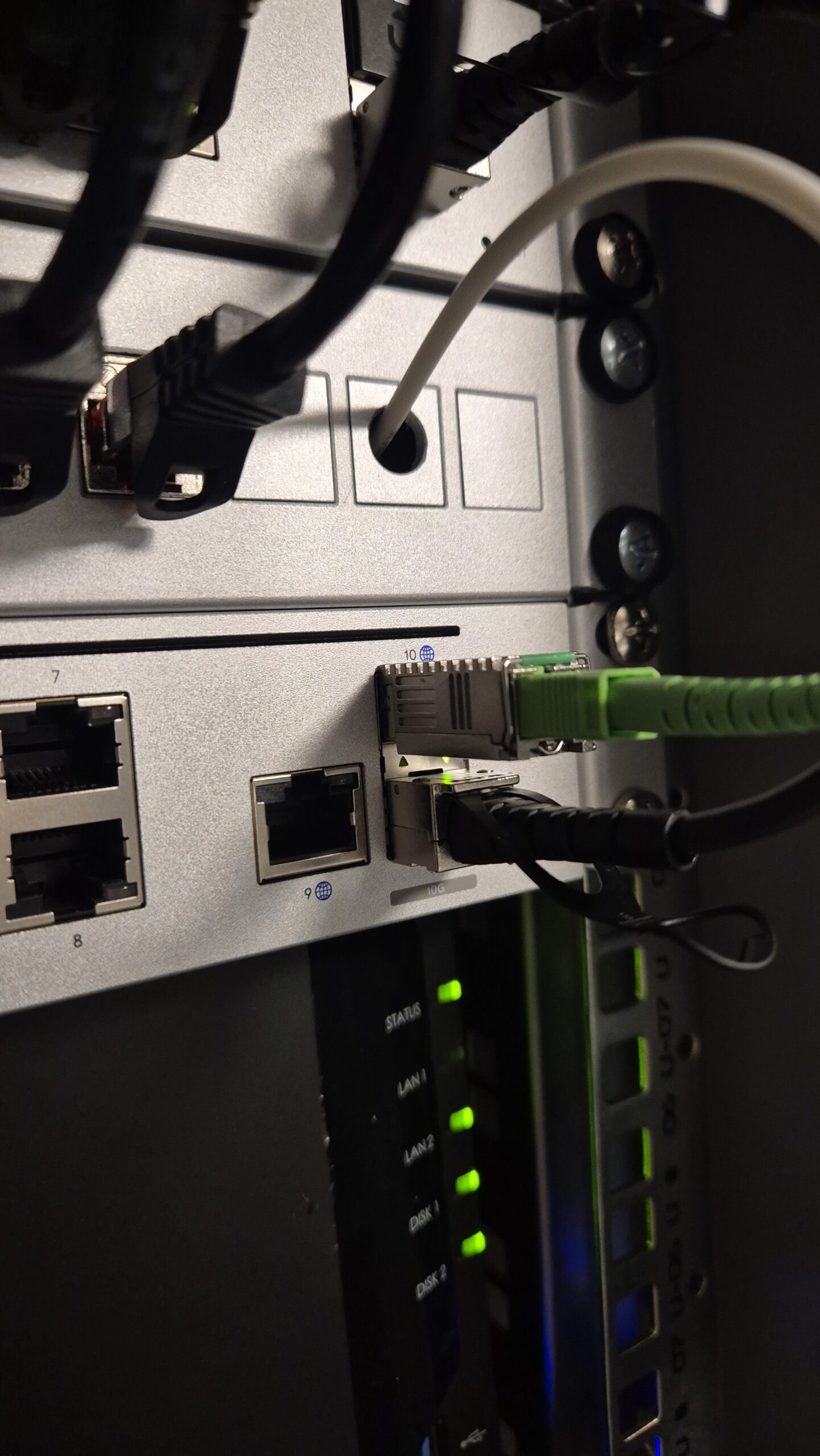
- Module SFP+ ou AOC ou DAC, 10G
- Module SFP, 1,25G/2,5G
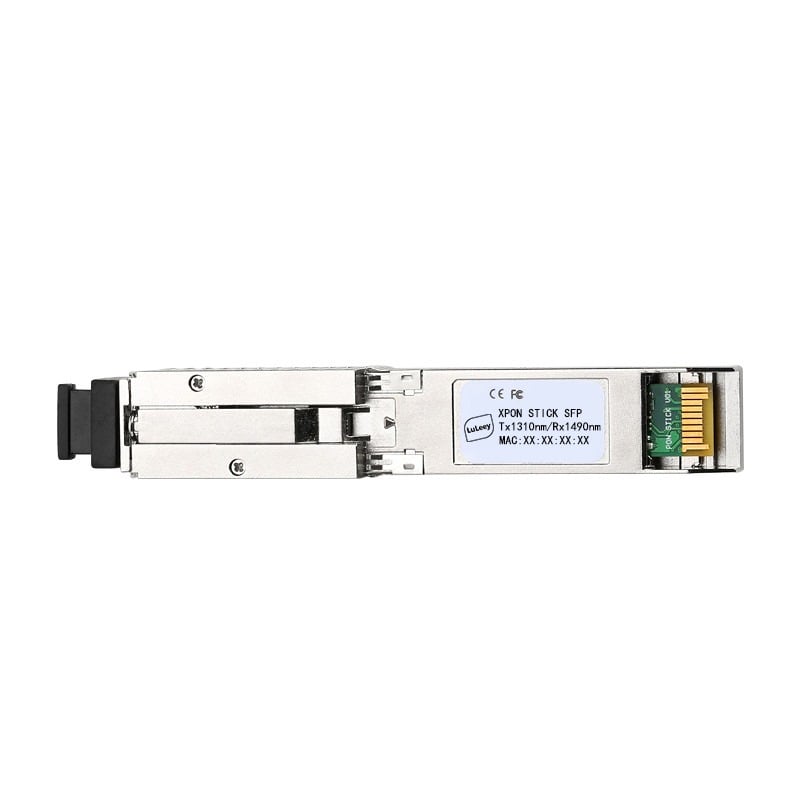
- XPON STICK/GPON STICK/épon BÂTON
- xgs-pon STICK/10G EPON STICK/XGPON STICK
3. Scénarios d'application pratique
- Expansion du réseau de parcs d'entreprises: Pour les grands parcs d'entreprises comprenant plusieurs bâtiments (distance entre les bâtiments supérieure à 100 mètres), l'émetteur-récepteur optique convertit les signaux électriques provenant des commutateurs de chaque bâtiment en signaux optiques et les transmet par des fibres optiques afin d'obtenir une interconnexion à grande vitesse entre les bâtiments. Il prend en charge la mise en réseau flexible, permettant aux entreprises de passer des réseaux de câbles en cuivre d'origine aux réseaux de fibres optiques à faible coût, et est compatible avec plusieurs taux pour répondre aux besoins des différents appareils terminaux de bureau (tels que les ordinateurs, les imprimantes et les caméras de surveillance).
- Interconnexion des centres de données: Dans les centres de données, il est nécessaire de réaliser une transmission à haut débit entre les serveurs, les commutateurs et les dispositifs de stockage. Les ports SFP+/SFP de l'émetteur-récepteur optique prennent en charge les débits 10G/2,5G et autres, et sont compatibles avec les modules SFP+, AOC, DAC et autres modules optiques, ce qui permet de répondre aux exigences de vitesse élevée, de faible perte et d'anti-interférence de l'interconnexion interne des centres de données, et également de réaliser une interconnexion longue distance entre plusieurs centres de données (distance de transmission allant jusqu'à des centaines de kilomètres).
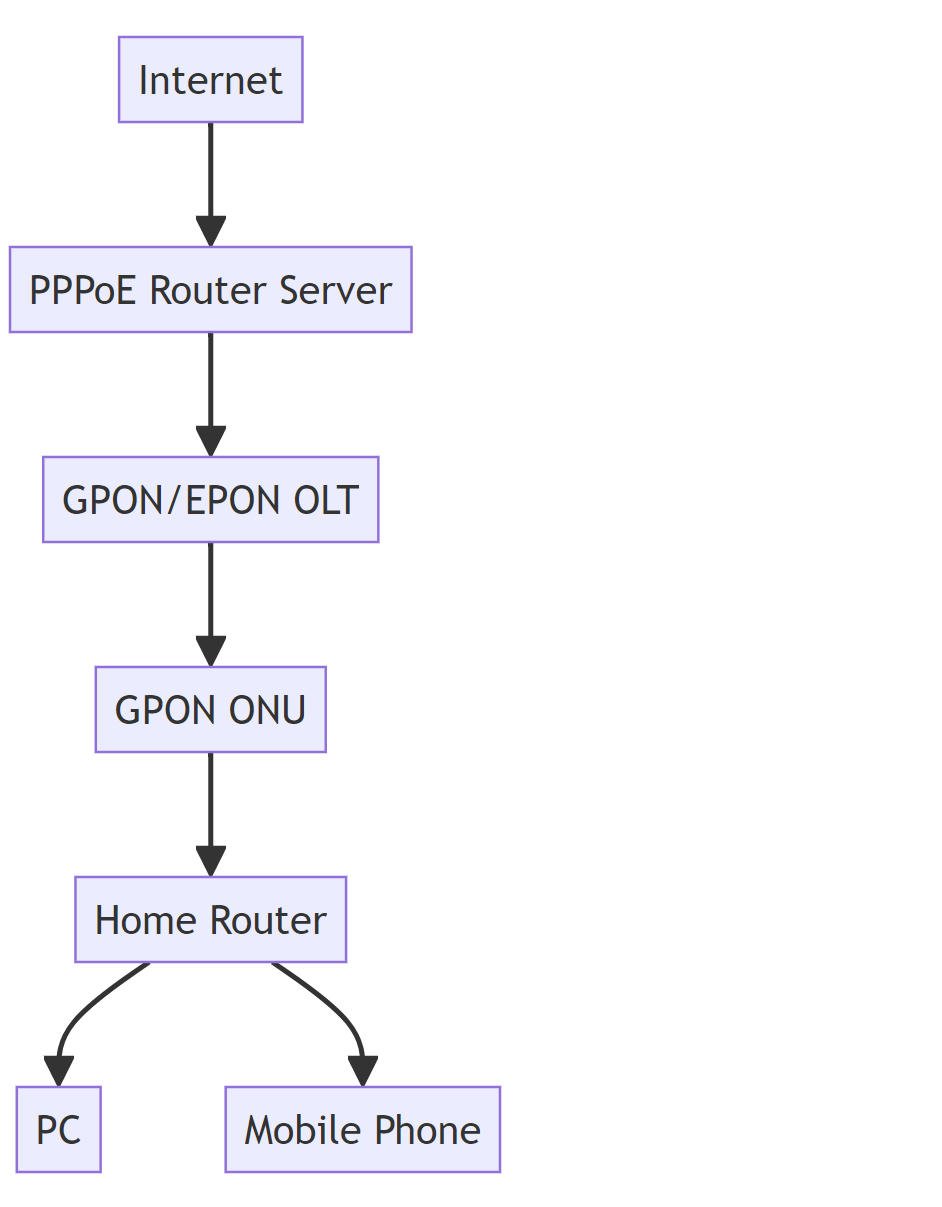
- Construction d'un réseau d'accès à large bande: Les opérateurs utilisent des émetteurs-récepteurs optiques pour connecter XPON/GPON/EPON STICK et d'autres modules, réalisant ainsi la conversion entre les réseaux de fibres optiques et les réseaux de câbles en cuivre. Cela permet d'étendre la distance d'accès à la large bande aux zones rurales, aux communautés isolées et à d'autres régions, de résoudre le problème de la distance de transmission limitée du câble de cuivre traditionnel à large bande, et de fournir aux utilisateurs des services à large bande stables et à haut débit à un faible coût.
- Système de vidéosurveillance à longue distance: Dans des scénarios tels que la surveillance des autoroutes, des chemins de fer et des parcs industriels, les caméras de surveillance sont généralement réparties sur de longues distances (plus de 100 mètres). L'émetteur-récepteur optique convertit les signaux électriques des caméras en signaux optiques pour la transmission sur de longues distances, avec une faible perte et une forte capacité anti-interférence électromagnétique, ce qui peut garantir la clarté et la stabilité des images de surveillance. En même temps, il prend en charge la compatibilité multi-débits, ce qui permet de s'adapter aux caméras de surveillance de différentes résolutions (1080P, 4K, etc.).
- Mise à niveau du réseau du campus: Pour les universités et les collèges avec de grands campus, le réseau original de câbles en cuivre présente des problèmes tels qu'une distance de transmission limitée et une faible capacité anti-interférence. L'émetteur-récepteur optique peut réaliser une interconnexion transparente entre le réseau de câbles en cuivre et le réseau de fibres optiques, étendre la distance de transmission à plusieurs kilomètres et améliorer la vitesse et la stabilité du réseau. Les utilisateurs peuvent choisir différents types de modules optiques et de tarifs en fonction des besoins des bâtiments d'enseignement, des dortoirs, des laboratoires et d'autres zones, ce qui permet d'économiser l'investissement dans la mise à niveau du réseau.
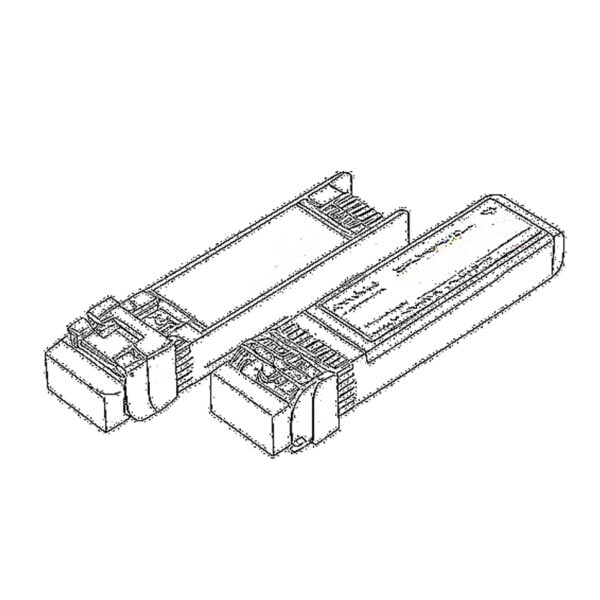 SFP/SFP+ (1G/2,5G/5G/10G)
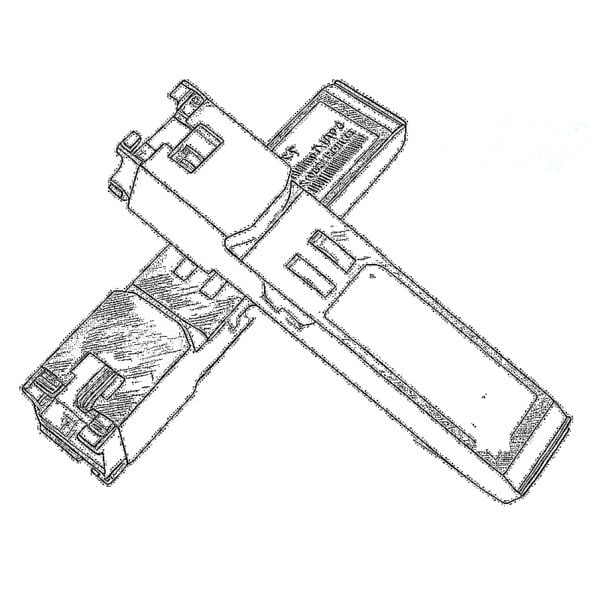 SFP-T (1G/2,5G/10G)
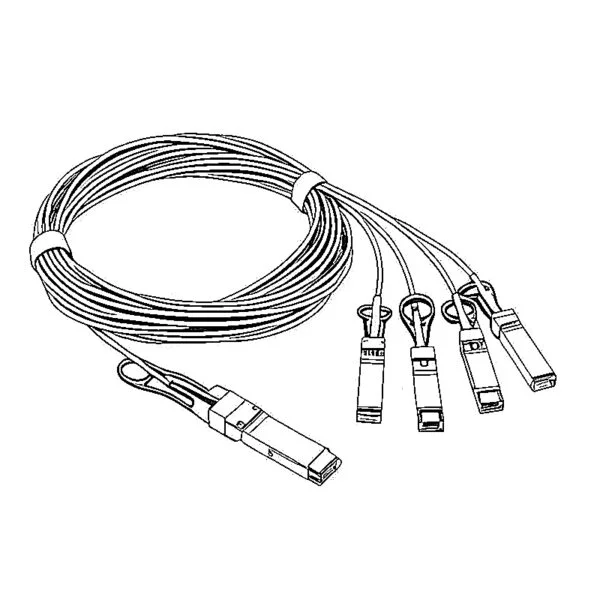 Câble AOC 10G/25G/40G/100G
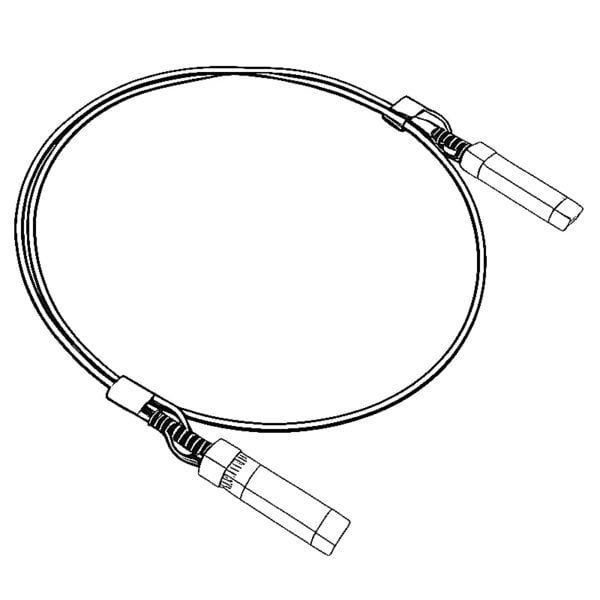 Câble DAC 10G/25G/40G/100G
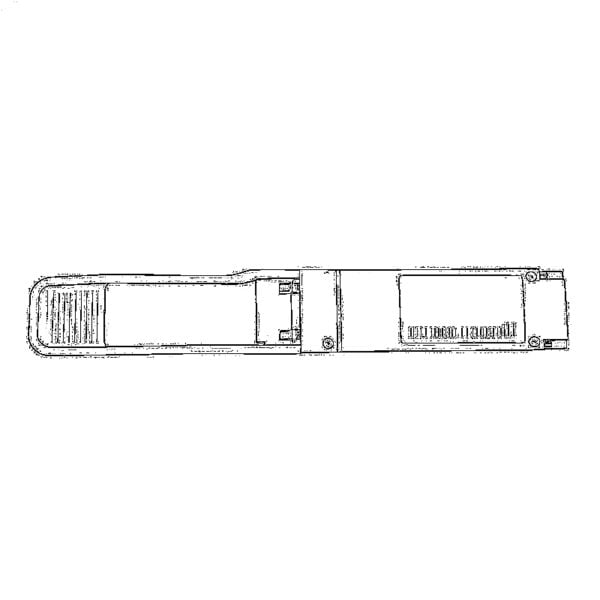 QSFP28 QSFP+ SFP28 100G/40G/25G
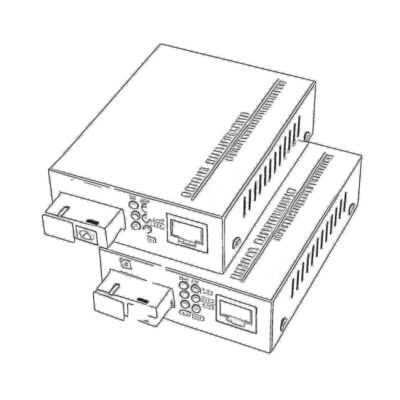 Convertisseurs de média cuivre-fibre
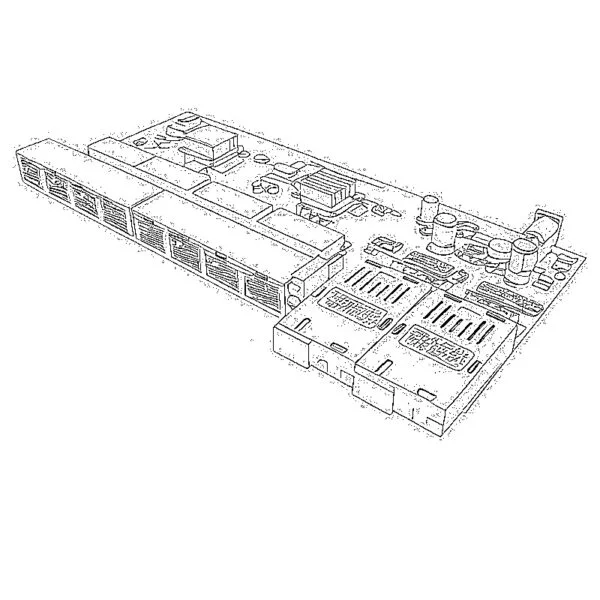 Carte PCBA pour convertisseur de média en fibre optique
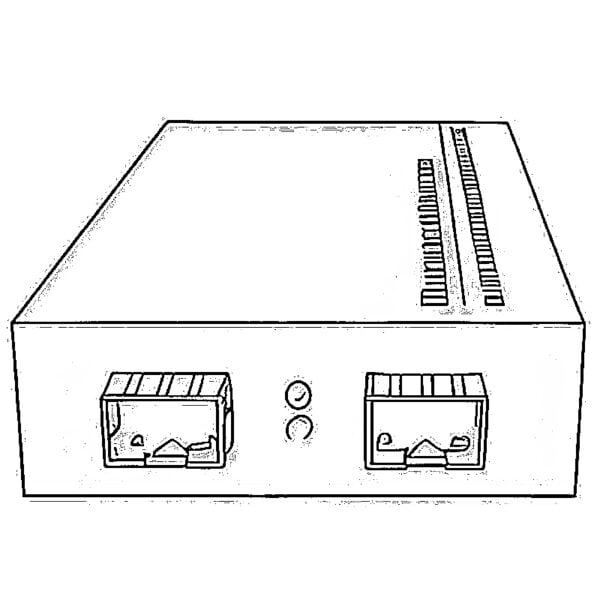 Convertisseurs de média à fibre optique OEO
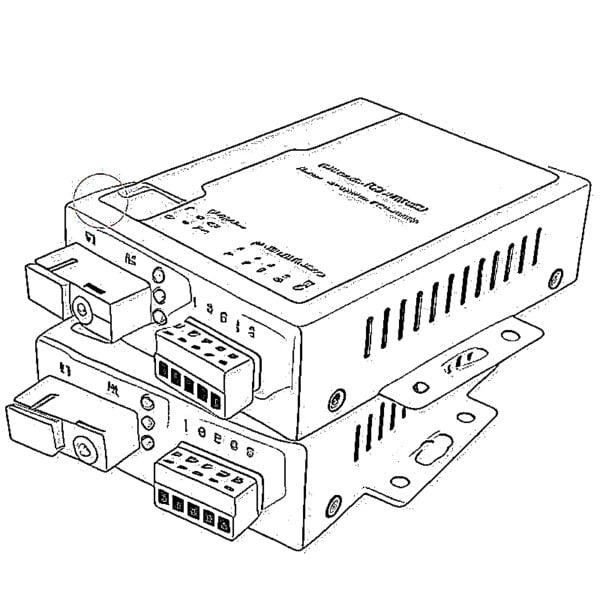 Convertisseurs de média série-fibre
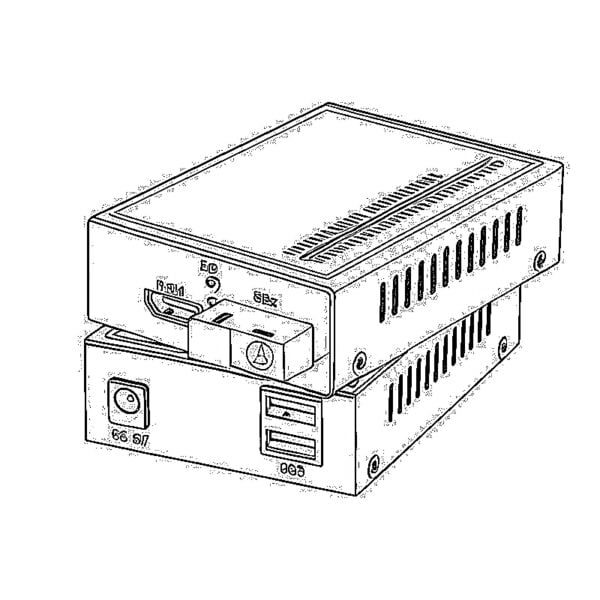 Convertisseurs vidéo vers fibre optique
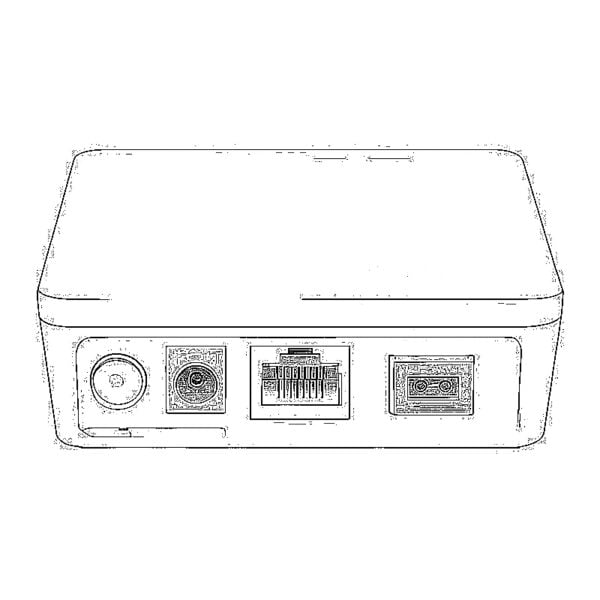 1000M GPON/EPON ONU
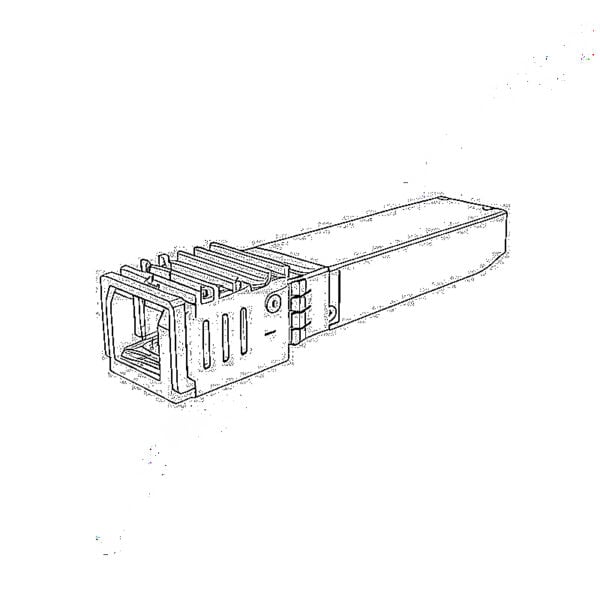 10G EPON ONU/XG-PON/XGS-PON
 2,5G GPON/XPON STICK SFP ONU
 POE GPON/EPON ONU
 ONT GPON/EPON sans fil
 EPON OLT
 GPON OLT
 Module PON SFP
 Interrupteurs industriels
 Commutateurs administrables
 Commutateurs POE
 Commutateurs non administrables
 Câbles à fibres MTP/MPO
 Cassettes à fibres optiques
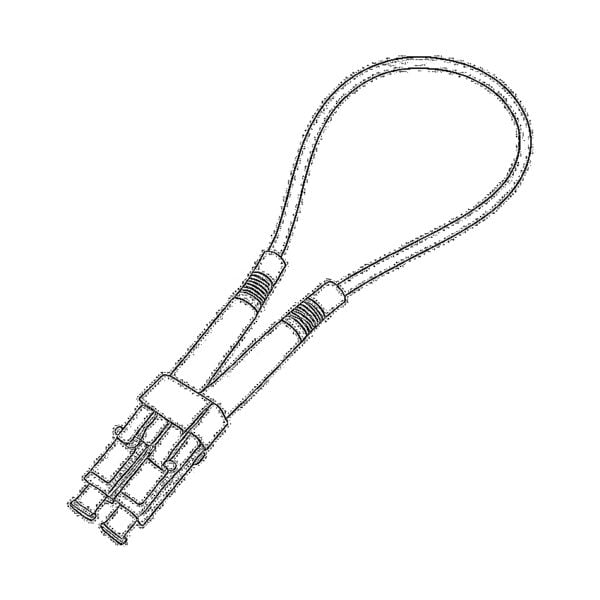 Boucle de fibre optique
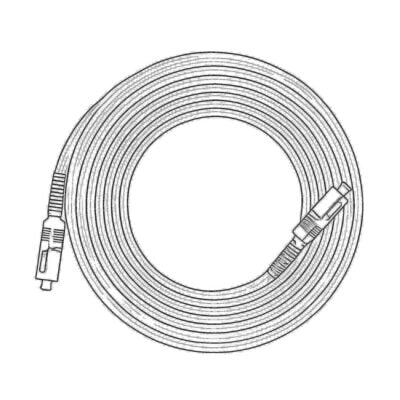 Câbles optiques et pigtails de fibres
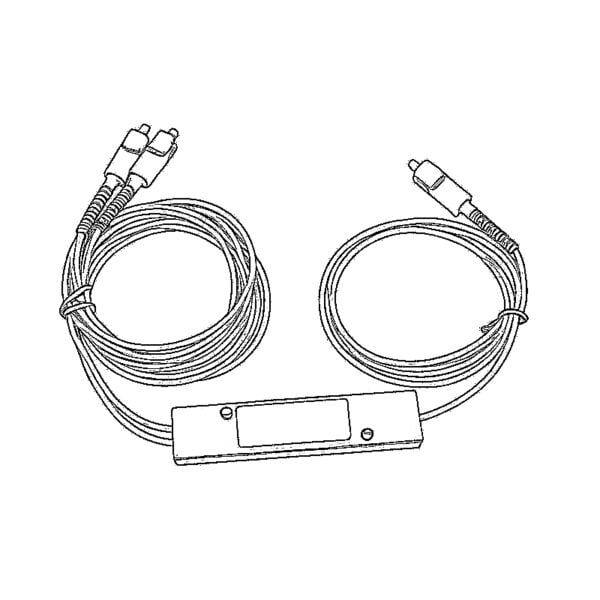 Répartiteurs optiques et boîtiers répartiteurs
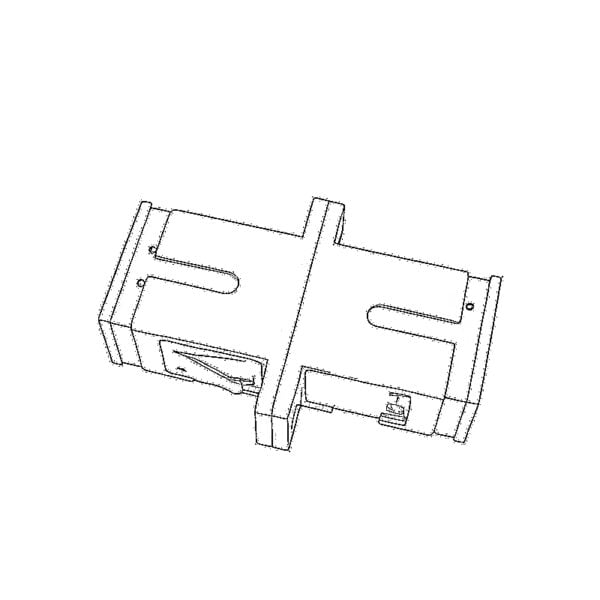 Connecteurs à bride pour fibres
 Adaptateurs optiques
 Atténuateur optique
 Connecteur rapide et panneau de connexion
 Amplificateur CATV
 Récepteur optique CATV
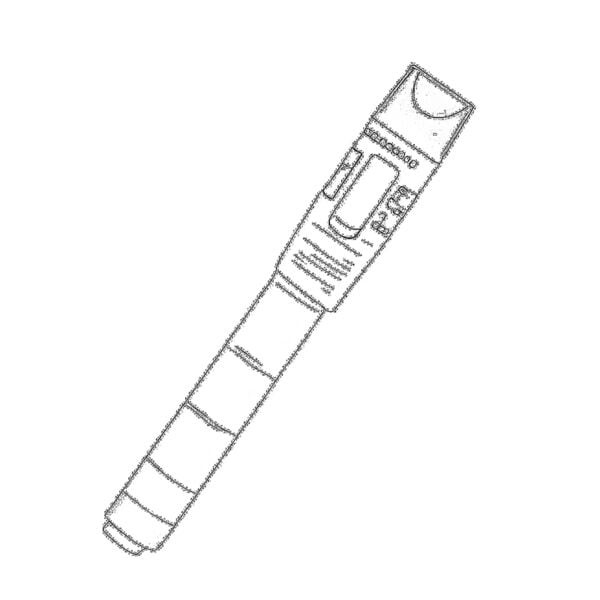 Localisateur visuel de défauts
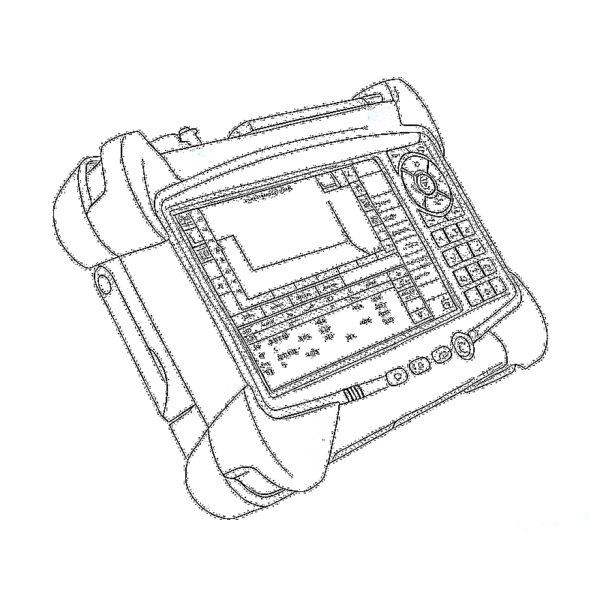 OTDR
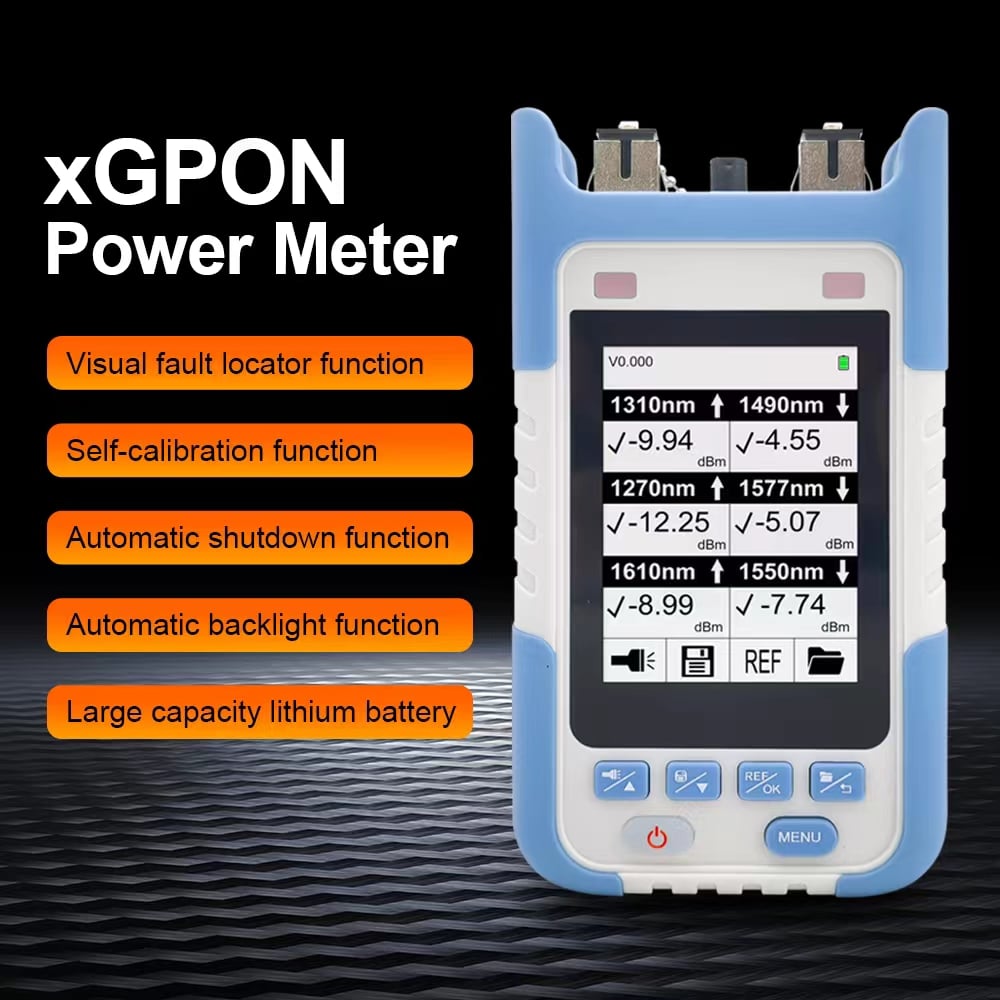
OTDR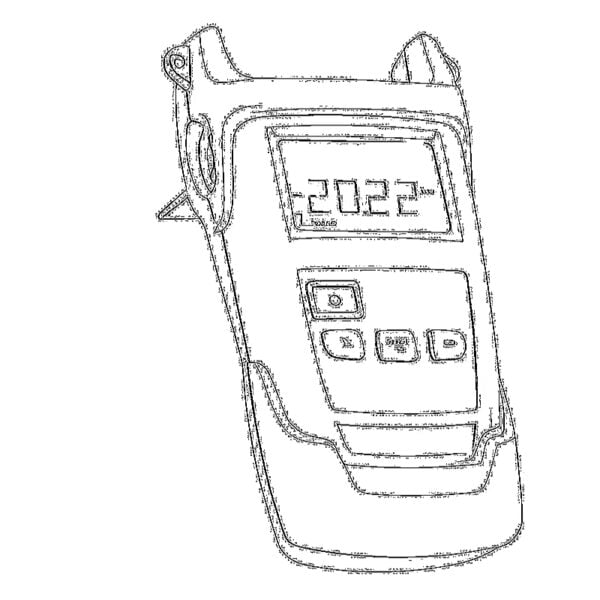 Mesureur de puissance optique
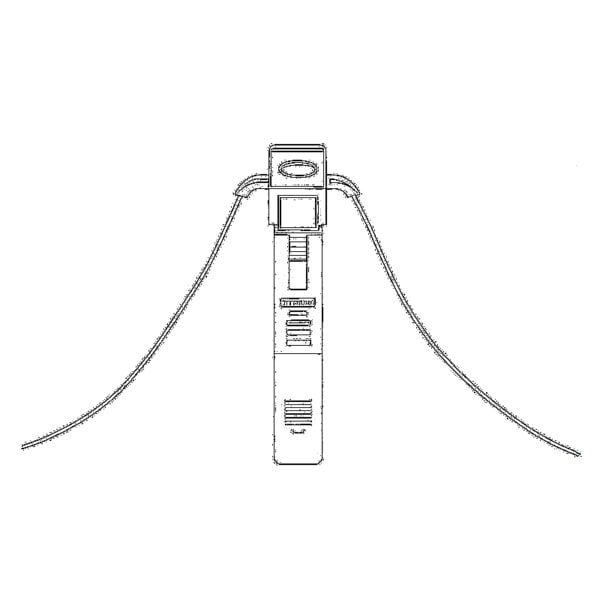 Identificateur de fibre optique
 Nettoyeurs de fibres optiques
 Coupe-fibres et dénudeurs de fibres
 Outils en cuivre


