تخفيضات «الجمعة السوداء»: خصم 10% على الطلبات التي تزيد قيمتها عن 100 دولار | تقع مسؤولية الرسوم الجمركية على عاتق العملاء، لكننا نقدم دعمًا لوجستيًا قياسيًا بنظام «تسليم إلى الوجهة» (DDP) إلى معظم البلدان، مع إعفاء من الرسوم الجمركية، مثل الولايات المتحدة، وألمانيا، والمملكة المتحدة، وكندا، وفرنسا، وإيطاليا، وبولندا، والنمسا، واليابان...



1. Introduction
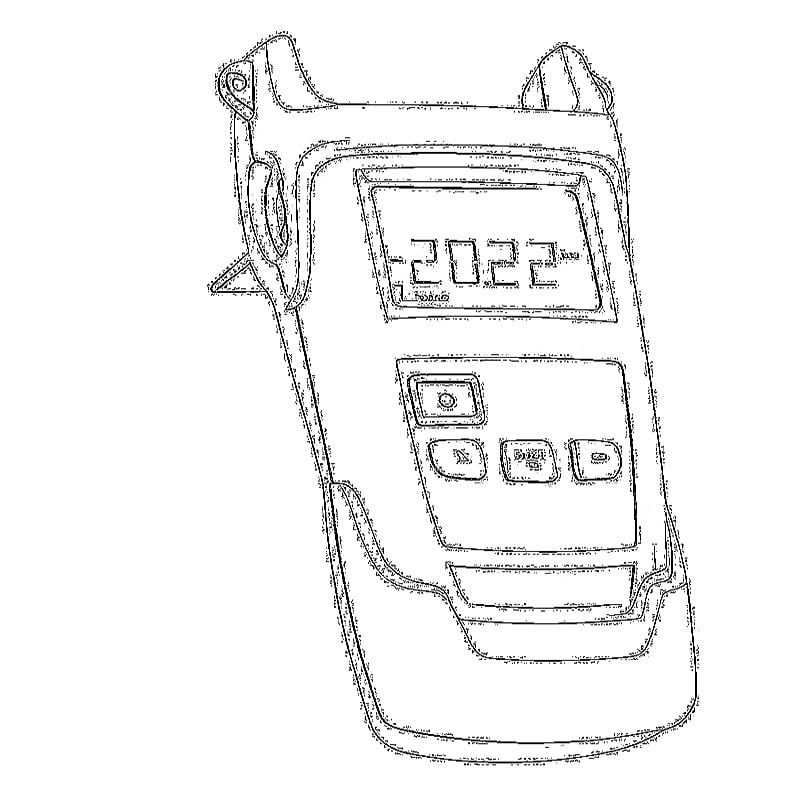
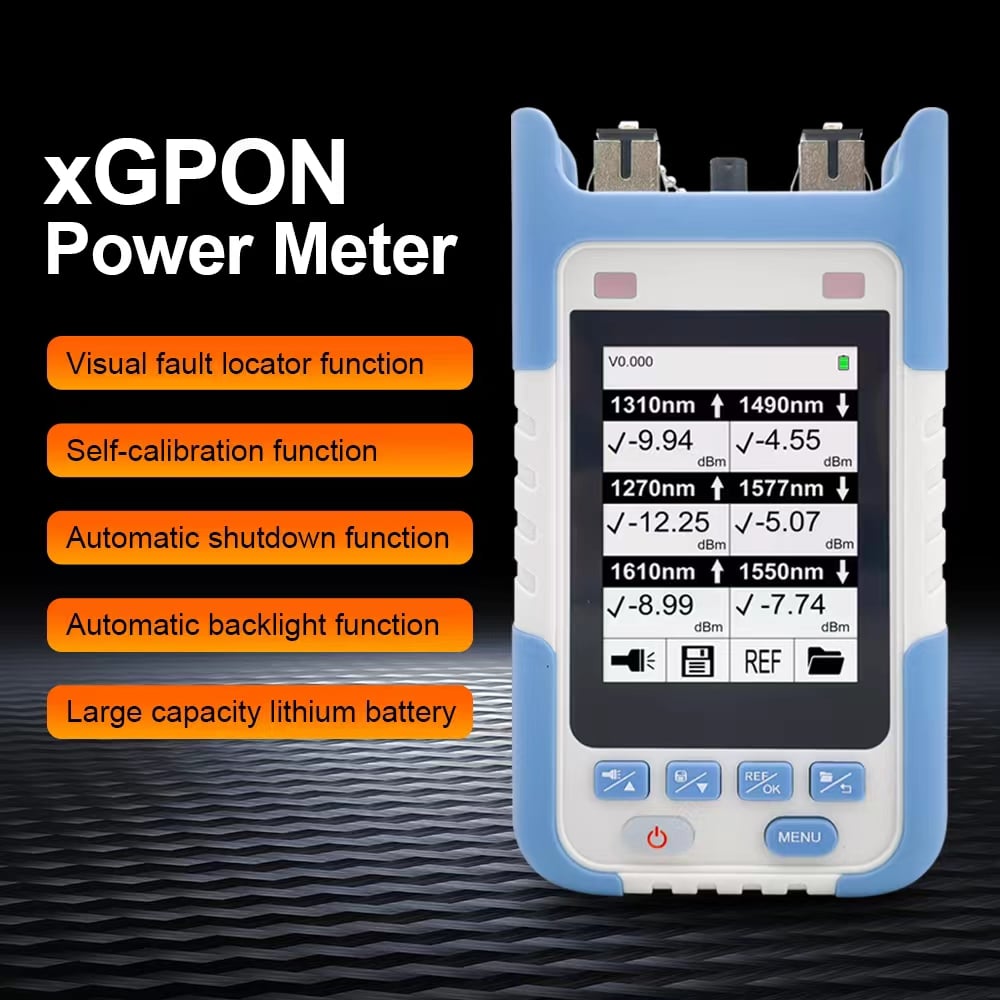
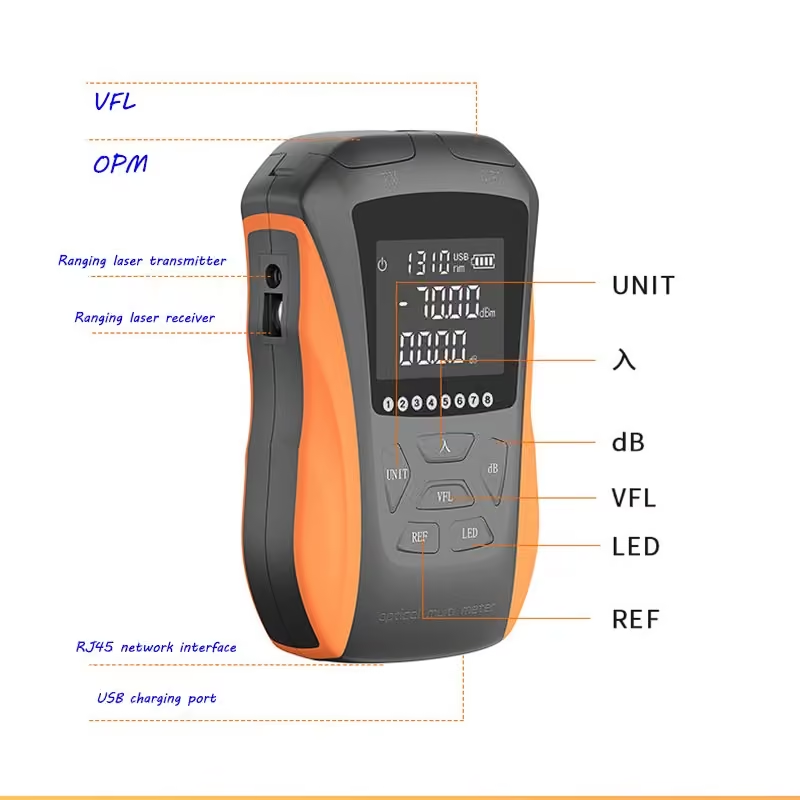
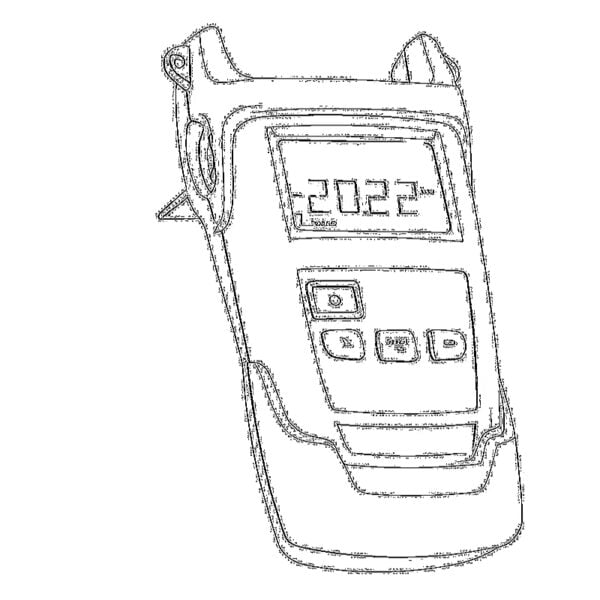
In modern optical fiber communication networks, especially in XGPON (10G-PON) systems, مقياس الطاقة الضوئيةs that support multi-wavelength simultaneous testing have become essential tools. They can detect up to six wavelengths of optical signals in a single test, greatly enhancing testing efficiency and accuracy.
2. Necessity of Multi-Wavelength Testing
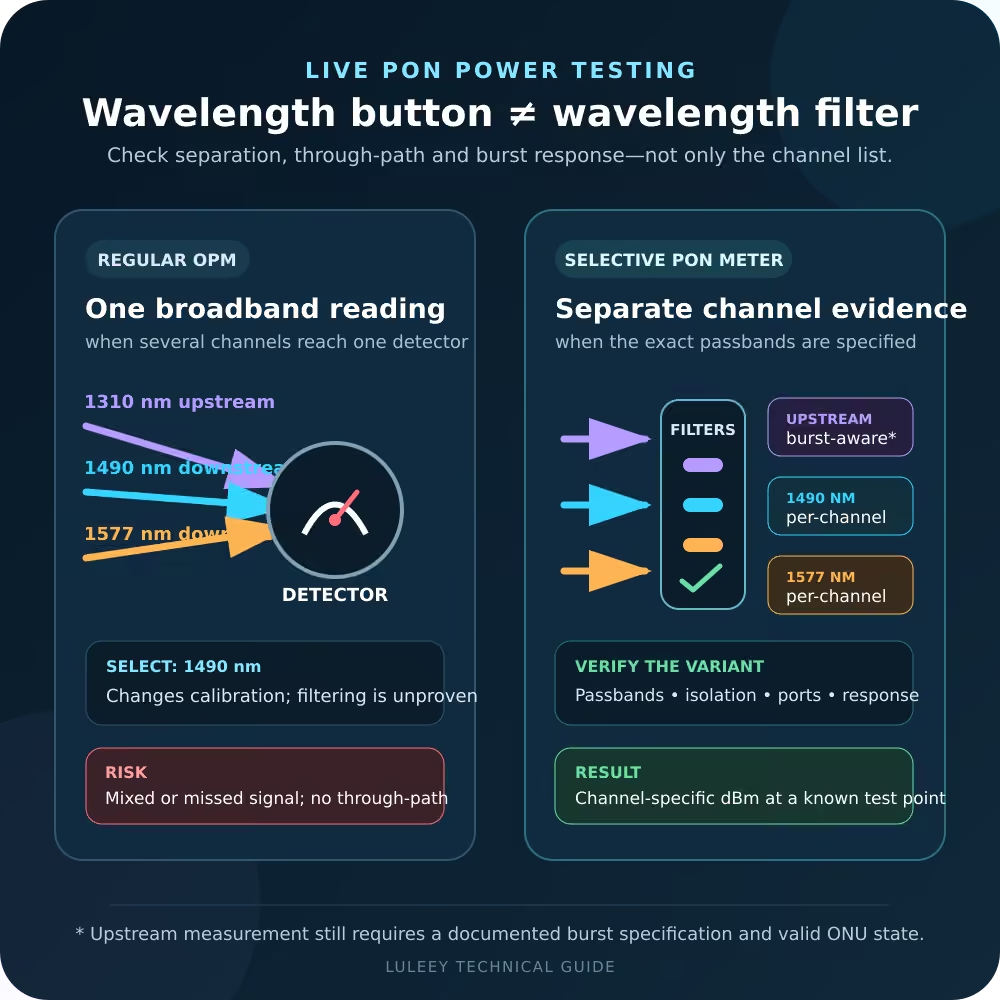
In optical fiber networks, multiple wavelengths are often used for Wavelength Division Multiplexing (WDM), allowing a single fiber to carry multiple signals. Optical power meters that support multi-wavelength testing offer the following advantages:
- Increased Testing Efficiency: Testing multiple wavelengths at once saves time and labor costs.
- Simplified Fault Diagnosis: Quickly identify signal strength across different wavelengths, facilitating fault localization.
- Optimized Network Performance: Monitoring multiple wavelengths helps better manage and optimize network resources.
3. Working Principle of Optical Power Meters
The working principle of multi-wavelength optical power meters is similar to that of traditional optical power meters, but their internal structure and functionalities are more complex. Key components include:
- Wavelength Selector: Capable of selecting specific wavelengths for measurement, supporting simultaneous detection of multiple wavelengths.
- Optical Receiver: Receives optical signals of different wavelengths and converts them into electrical signals.
- Data Processing Unit: Processes the received signals and displays the optical power for each wavelength in real-time.
4. Key Features
The optical power meter that supports simultaneous testing of up to six wavelengths has the following features:
- 1000 Test Results Storage: The device can store up to 1000 test results, facilitating subsequent data analysis and record-keeping.
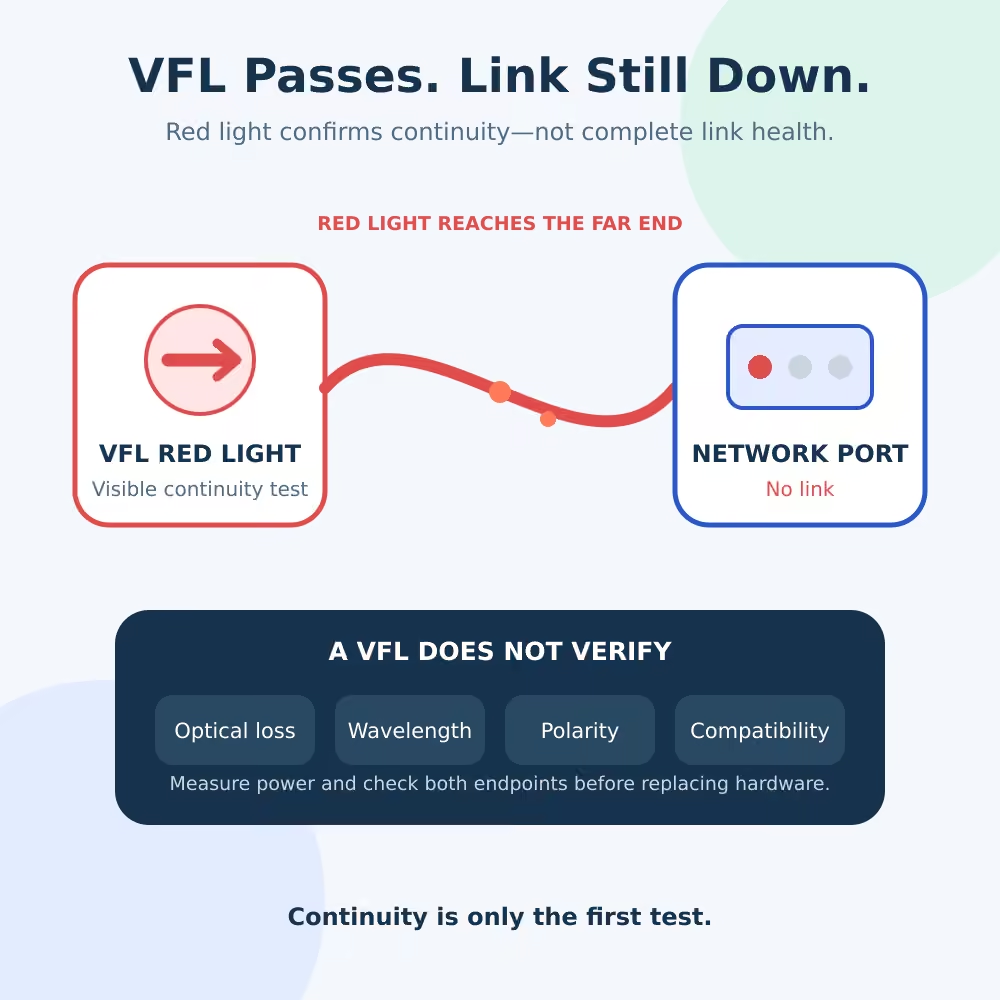
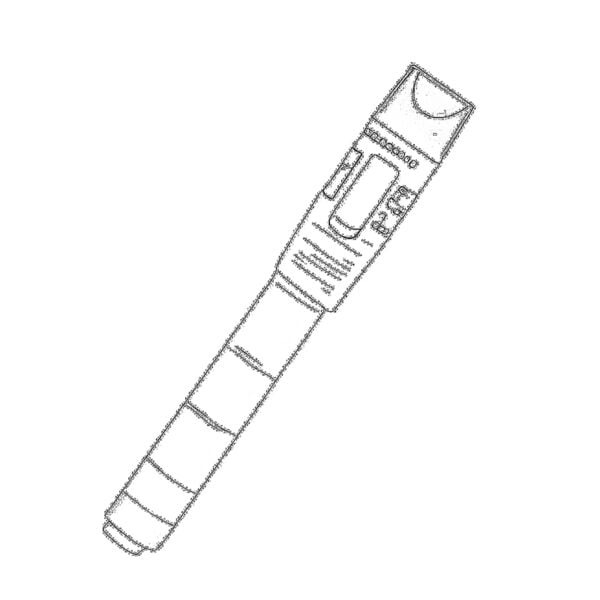
- VFL (Visual Fault Locator) Functionality: Integrated VFL functionality helps users quickly locate fiber faults, improving troubleshooting efficiency.
- SC UPC or APC Optional: Supports SC UPC (Flat Connector) or APC (Angled Connector) interfaces to accommodate different fiber connection needs.
- 2400mAh Lithium Battery: Equipped with a high-capacity 2400mAh lithium battery, providing long-lasting power support suitable for extended field testing.
- 3.2-inch LCD Display: The large LCD display clearly shows measurement results and the operation interface, enhancing user experience.


5. Steps for Multi-Wavelength Testing
The steps to use an optical power meter that supports testing of up to six wavelengths are as follows:
- Prepare the Device: Ensure the optical power meter is calibrated and connected to the fiber being tested.
- Select Wavelengths: Choose the six wavelengths to be tested on the optical power meter.
- Conduct Measurement:
- Start the test; the optical power meter will sequentially measure the optical signal strength of the selected wavelengths.
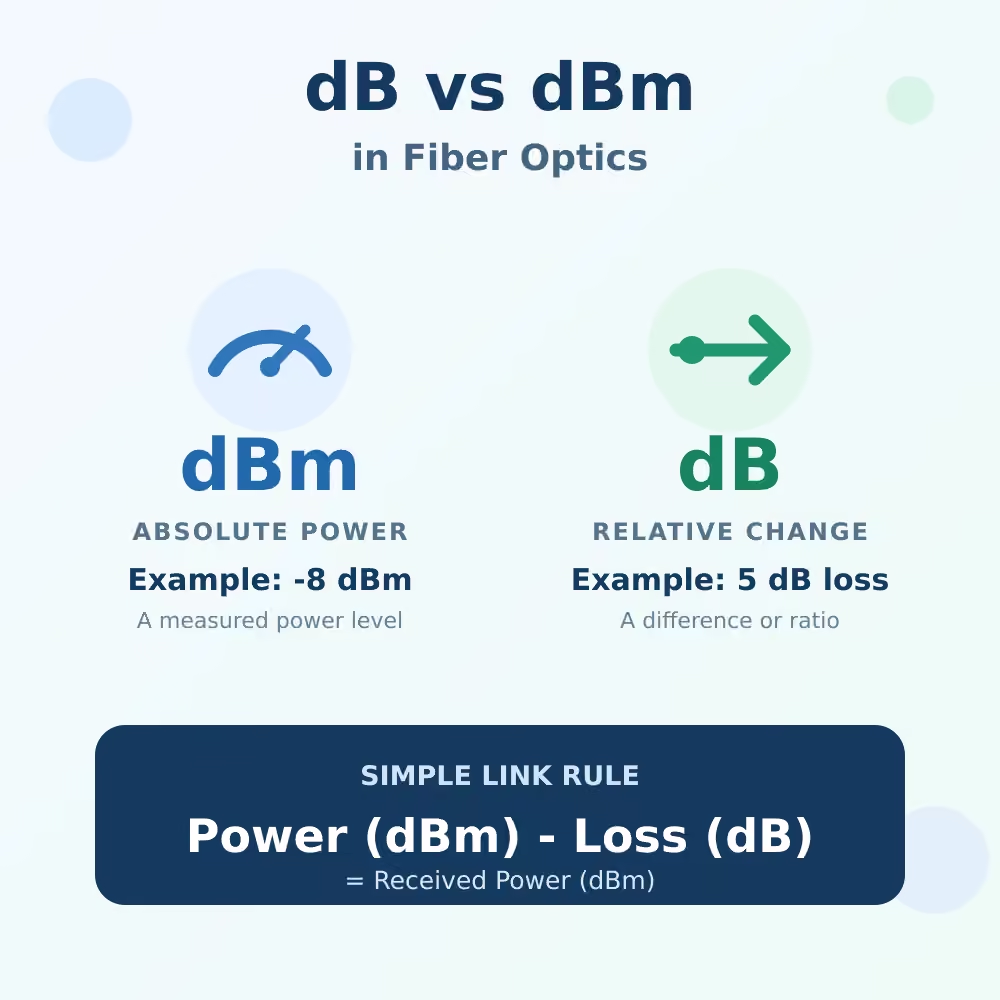
- Record Results: After testing, record the optical power values for each wavelength, typically in dBm.
- Analyze Data: Analyze the measurement results to determine if the signal strength is within the normal range.
6. Choosing the Right Multi-Wavelength Optical Power Meter
When selecting a multi-wavelength optical power meter, consider the following factors:
- Wavelength Range: Ensure the optical power meter supports commonly used wavelengths in XGPON networks (e.g., 1310 nm, 1490 nm, 1550 nm).
- Measurement Accuracy: High-precision devices provide more reliable testing results.
- Portability and Usability: A portable design and user-friendly interface can enhance efficiency during field testing.
- Data Storage and Output: Support for data storage and export functions facilitates subsequent analysis and report generation.
7. الخاتمة
The optical power meter that supports simultaneous testing of up to six wavelengths plays a crucial role in maintaining and managing XGPON networks. By efficiently and accurately detecting multiple wavelengths of optical signals, technicians can better maintain the network and ensure a positive user experience. Its rich features, such as 1000 test results storage, VFL functionality, optional interfaces, powerful battery life, and clear display, further enhance its value in practical applications. Choosing the right optical power meter and mastering multi-wavelength testing methods will provide strong support for the stable operation of optical communication networks.


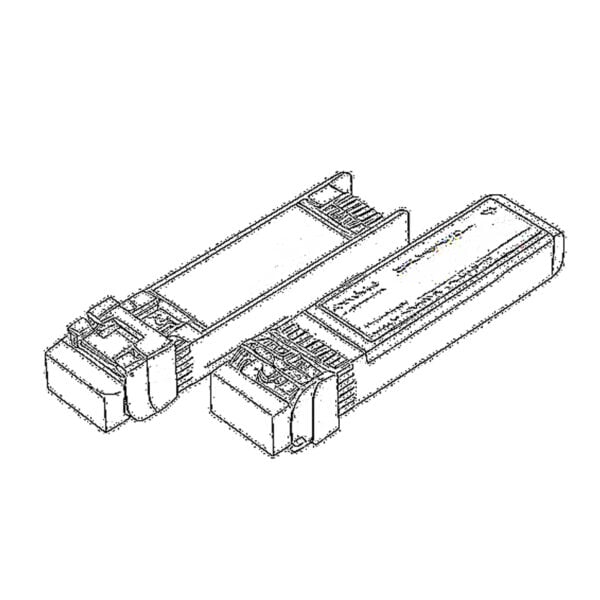 SFP/SFP+ (1G/2.5G/5G/10G)
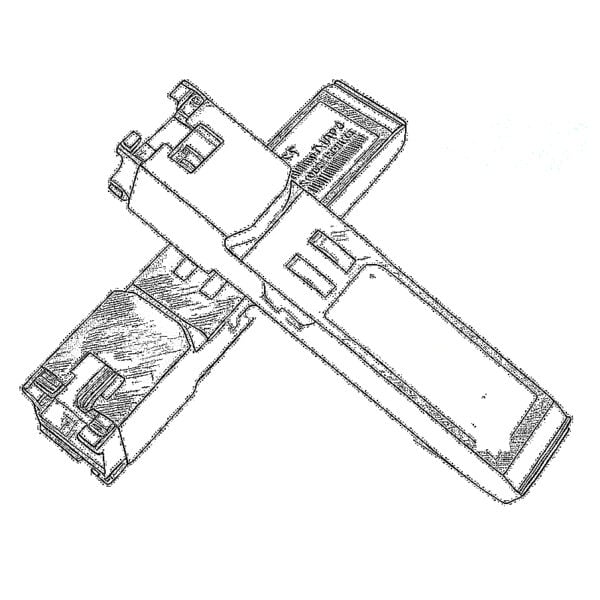 SFP-T (1 جيجابت/2.5 جيجابت/10 جيجابت)
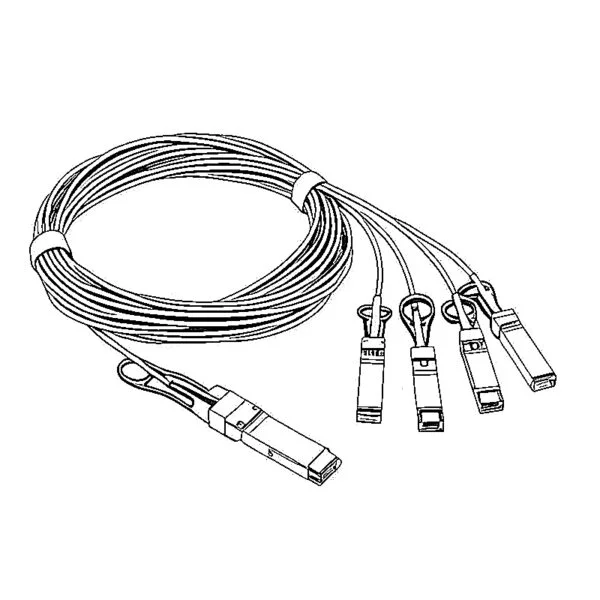 كابل AOC 10G/25G/40G/100G
 كابل DAC 10G/25G/40G/100G
 QSFP28، QSFP+، SFP28، 100G/40G/25G
 محولات الوسائط من النحاس إلى الألياف الضوئية
 لوحة PCBA لمحول الوسائط الليفية
 محولات الوسائط الليفية من OEO
 محولات الوسائط من التسلسلية إلى الألياف الضوئية
 محولات الوسائط من الفيديو إلى الألياف الضوئية
 وحدة ONU GPON/EPON بسعة 1000 ميغابت/ثانية
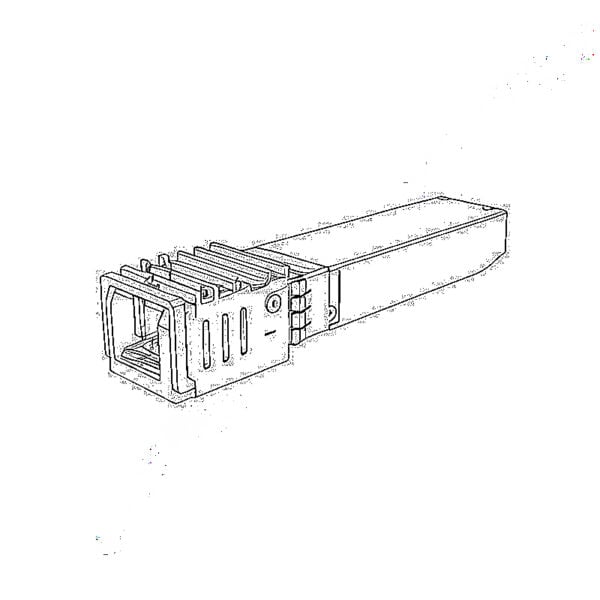 وحدة ONU لشبكة EPON بسرعة 10 جيجابت/ثانية/XG-PON/XGS-PON
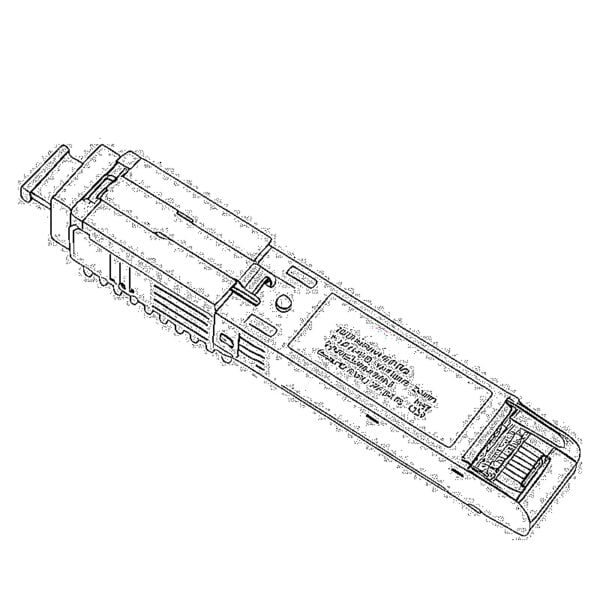 وحدة ONU من نوع STICK SFP بتقنية 2.5G GPON/XPON
 وحدة ONU لشبكات POE GPON/EPON
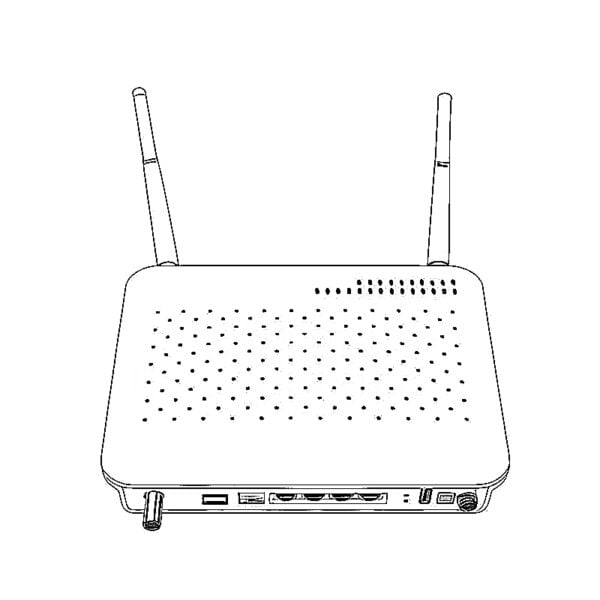 جهاز ONT لاسلكي من نوع GPON/EPON
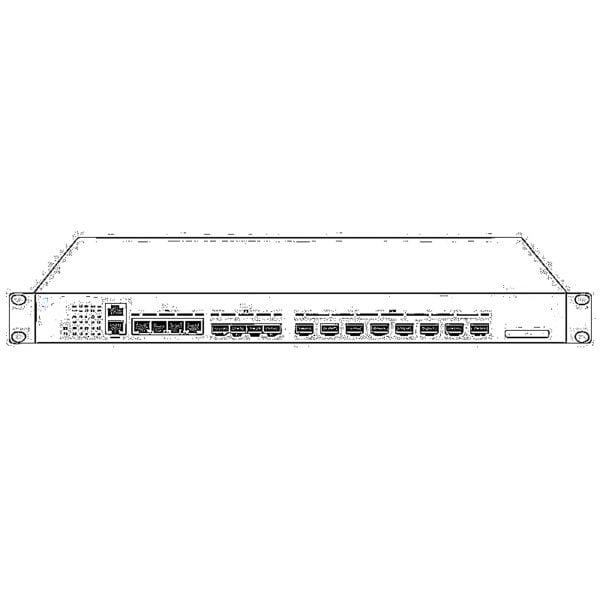 EPON OLT
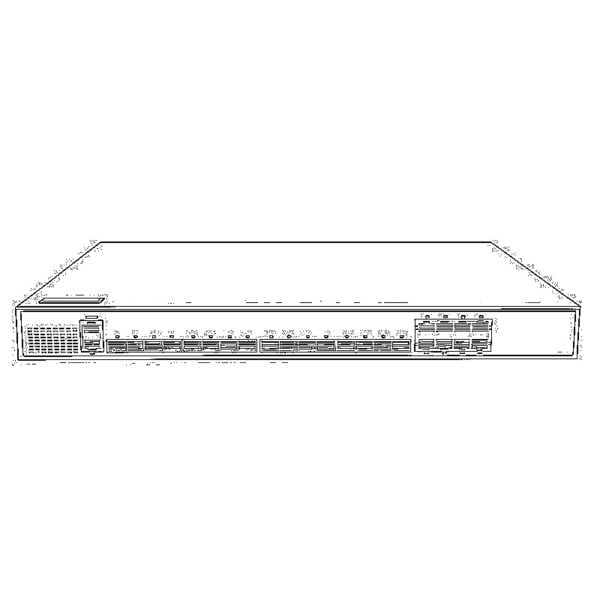 وحدة OLT لشبكة GPON
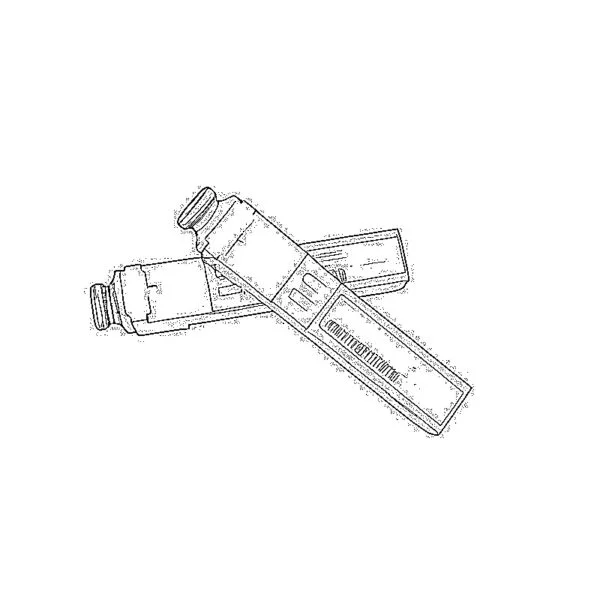 وحدة SFP PON
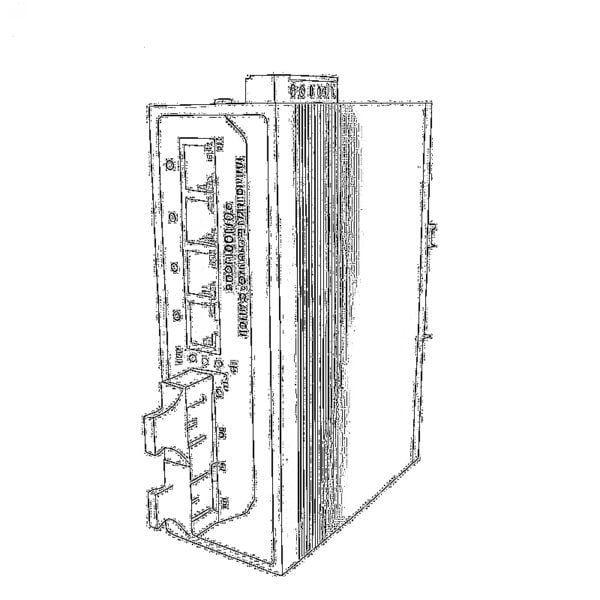 المفاتيح الصناعية
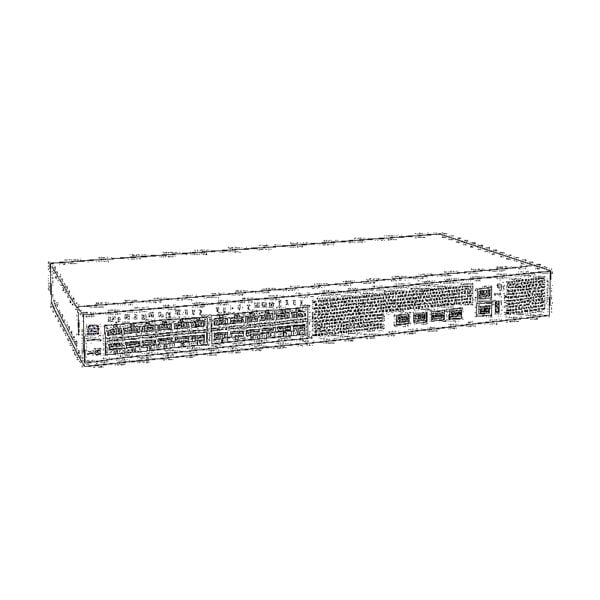 المحولات المُدارة
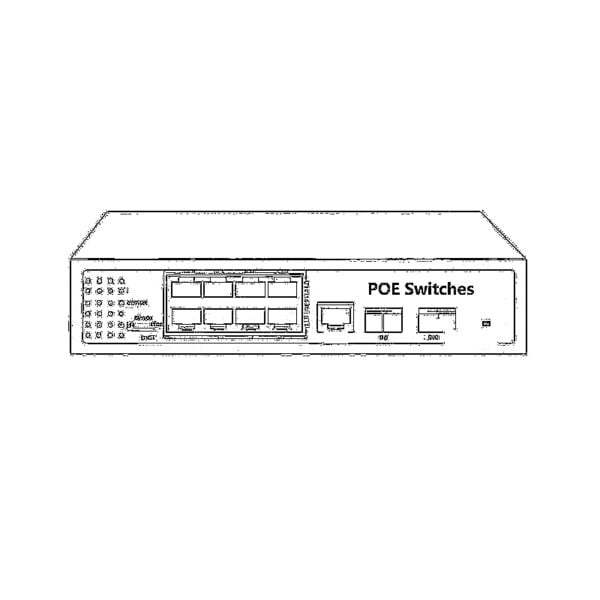 محولات POE
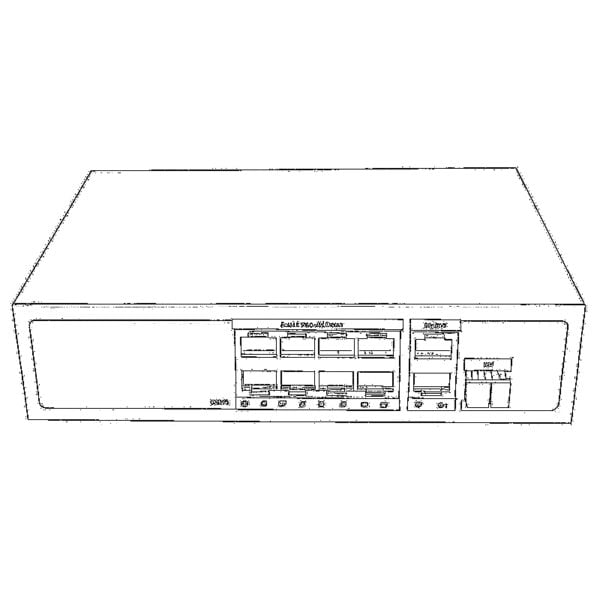 المحولات غير المُدارة
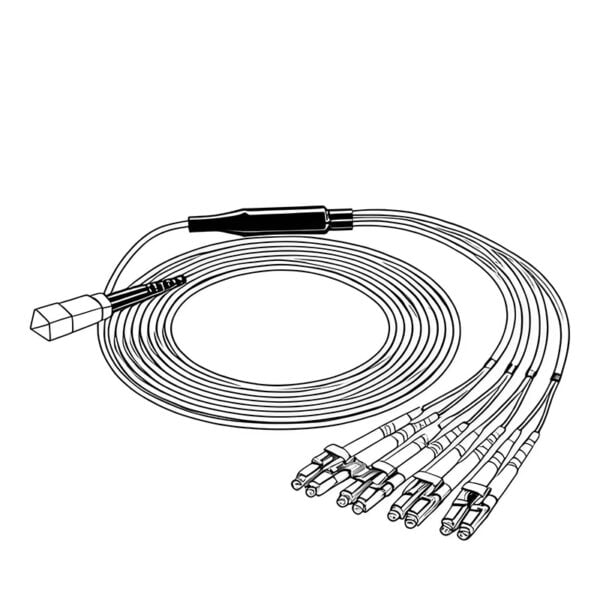 كابلات الألياف الضوئية من نوع MTP/MPO
 خراطيش الألياف الضوئية
 حلقة إرجاع الألياف الضوئية
 الكابلات البصرية وأطراف الألياف الضوئية
 المقسمات الضوئية وصندوق المقسم
 موصلات ذات شفة ليفية
 المحولات البصرية
 مخفف ضوئي
 الموصل السريع ولوحة الموصلات
 مضخم إشارة كابل التلفزيون (CATV)
 جهاز استقبال ضوئي لشبكة الكابل التلفزيوني (CATV)
 جهاز تحديد مواقع الأعطال البصري
 OTDR
 مقياس الطاقة الضوئية
 جهاز تحديد الألياف الضوئية
 منظفات الألياف الضوئية
 مقصات الألياف ومقشرات الألياف
 الأدوات النحاسية