تخفيضات «الجمعة السوداء»: خصم 10% على الطلبات التي تزيد قيمتها عن 100 دولار | تقع مسؤولية الرسوم الجمركية على عاتق العملاء، لكننا نقدم دعمًا لوجستيًا قياسيًا بنظام «تسليم إلى الوجهة» (DDP) إلى معظم البلدان، مع إعفاء من الرسوم الجمركية، مثل الولايات المتحدة، وألمانيا، والمملكة المتحدة، وكندا، وفرنسا، وإيطاليا، وبولندا، والنمسا، واليابان...

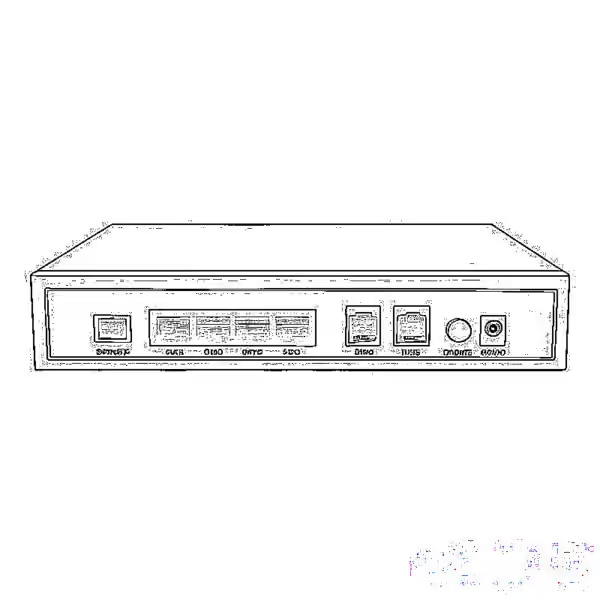
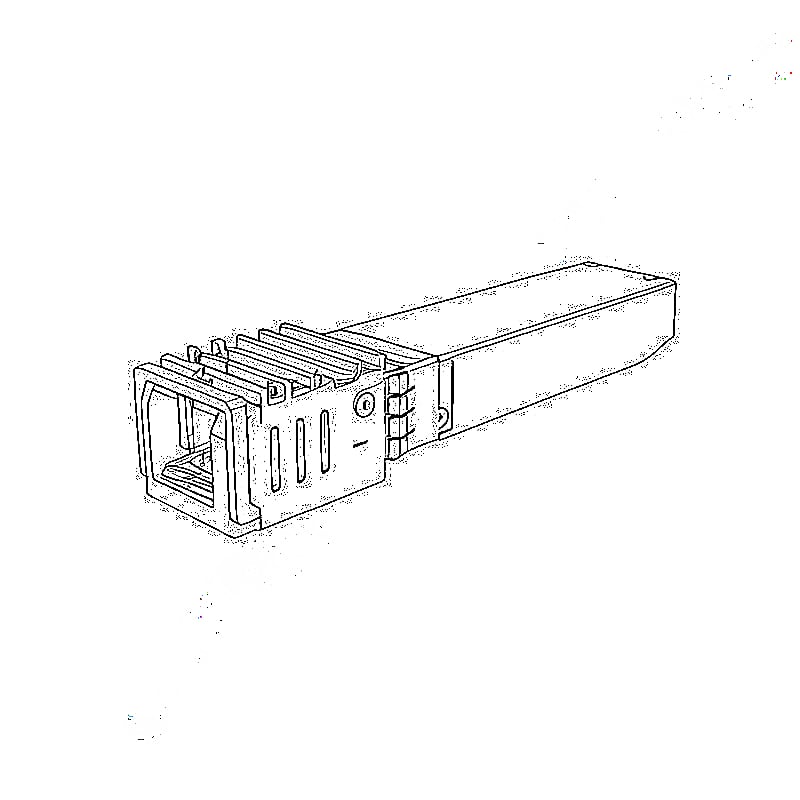
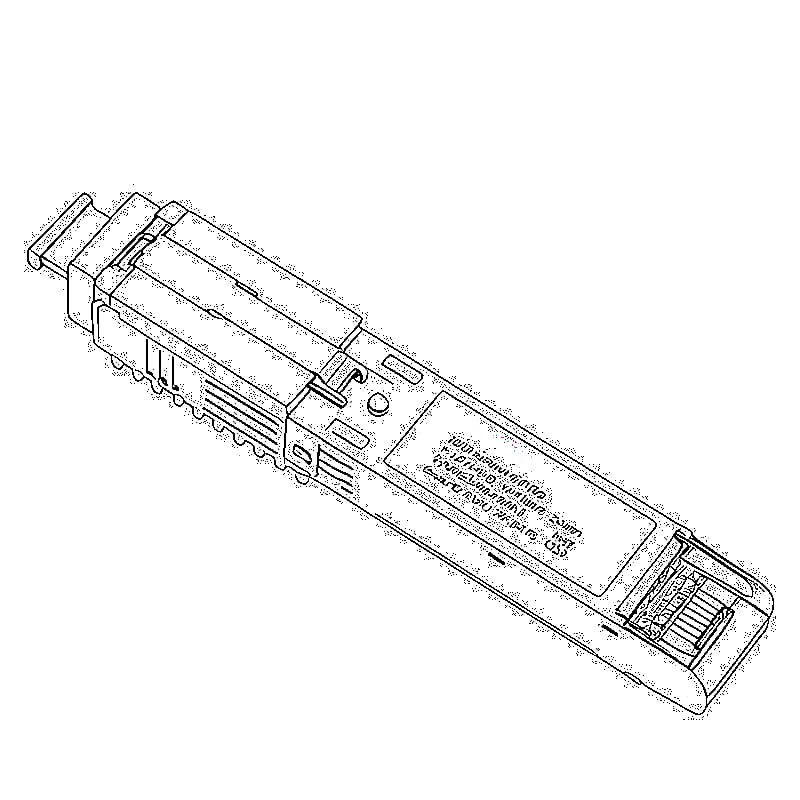
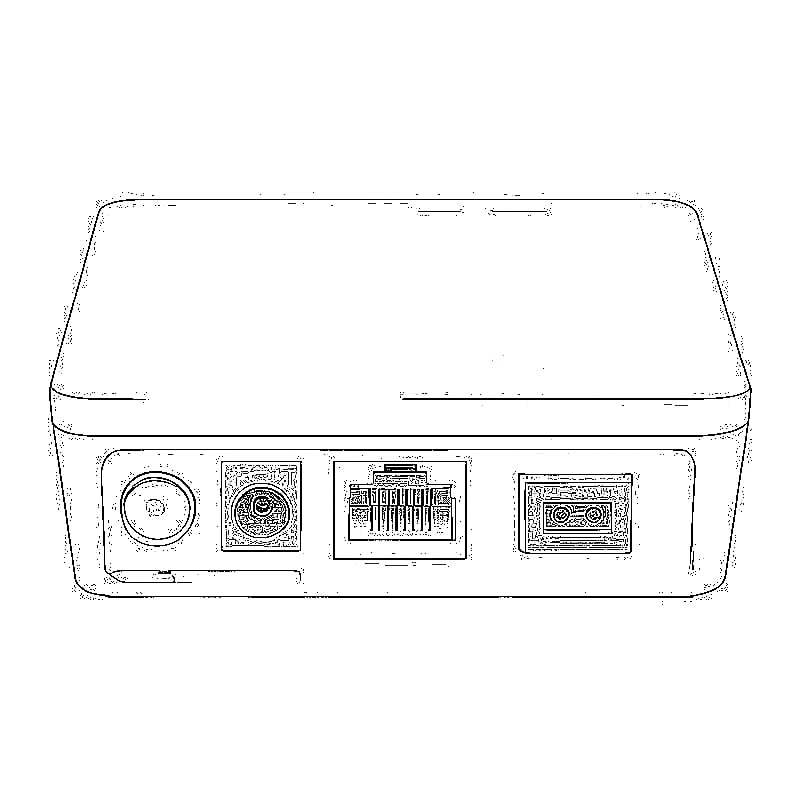
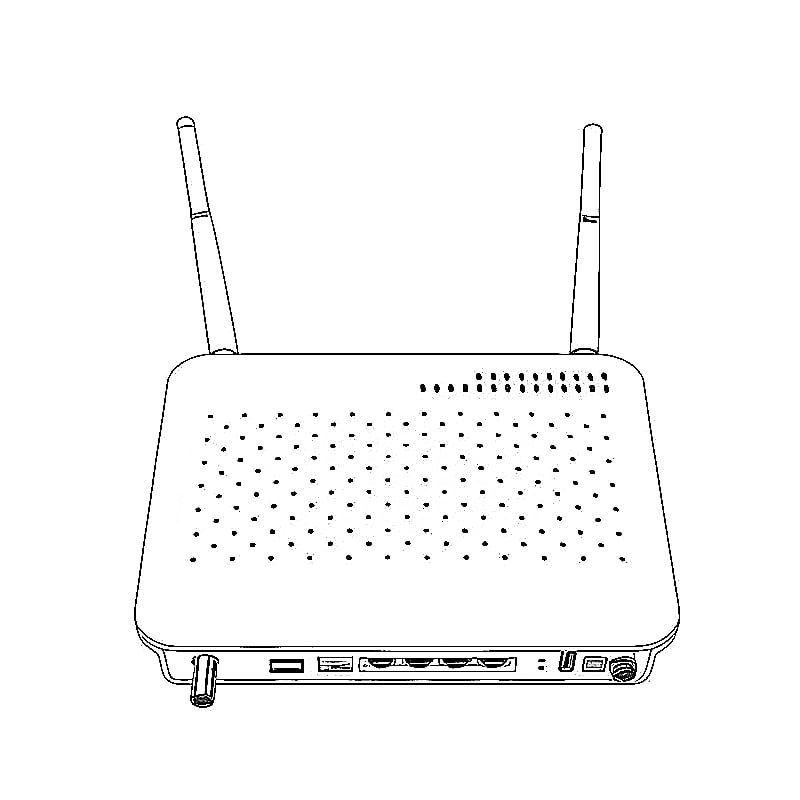
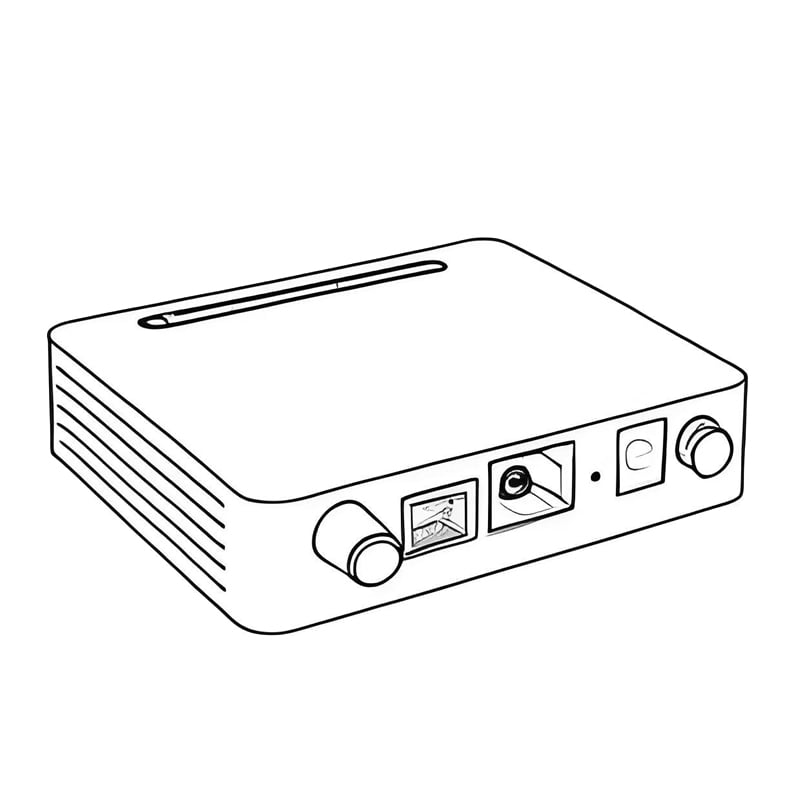
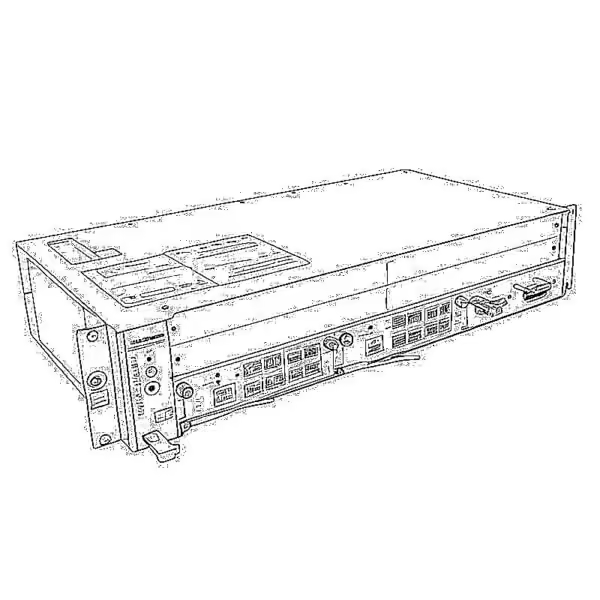
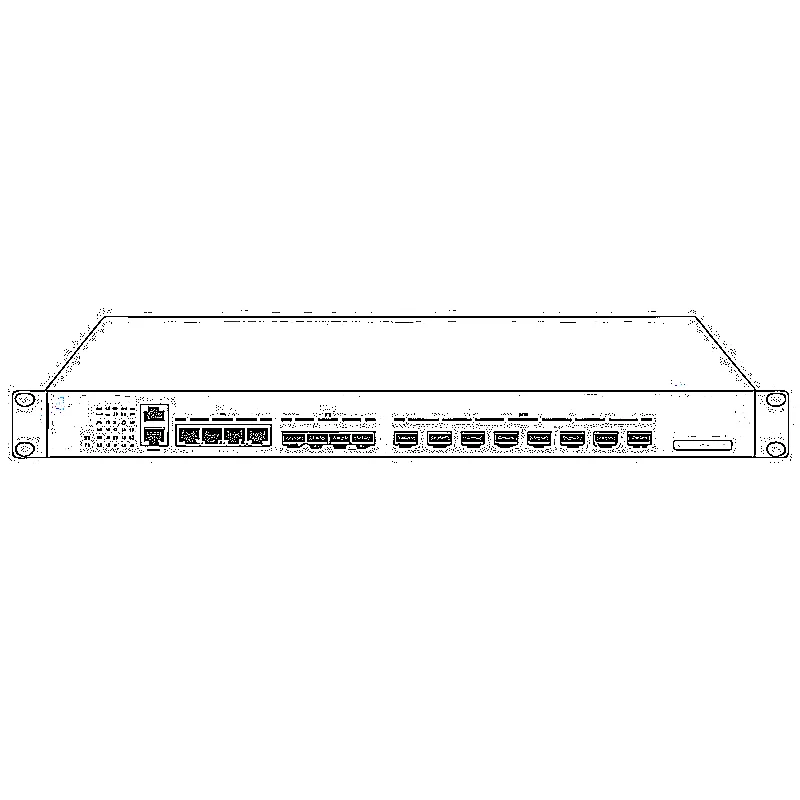
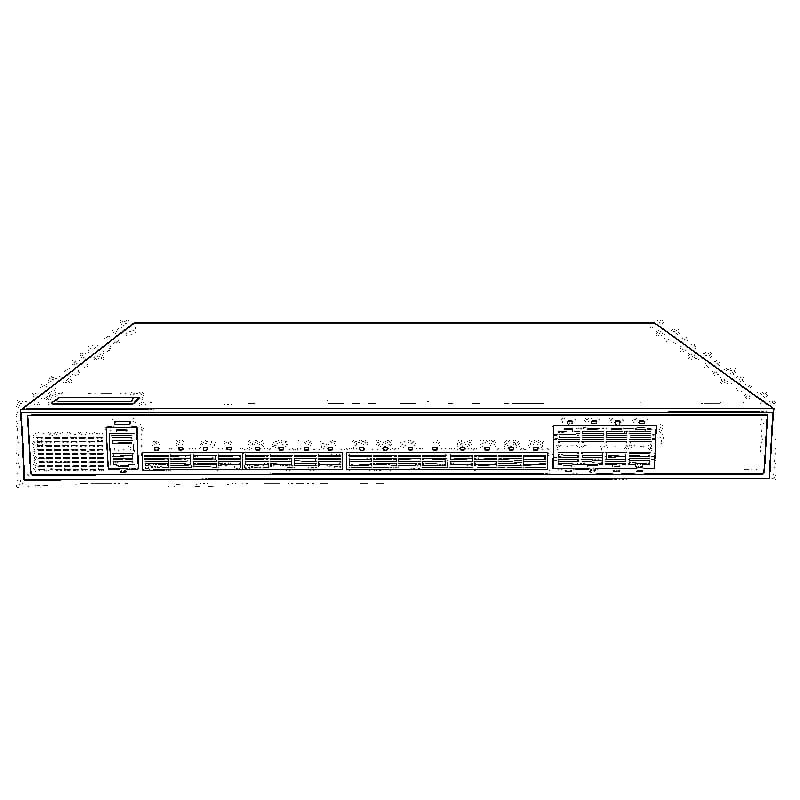
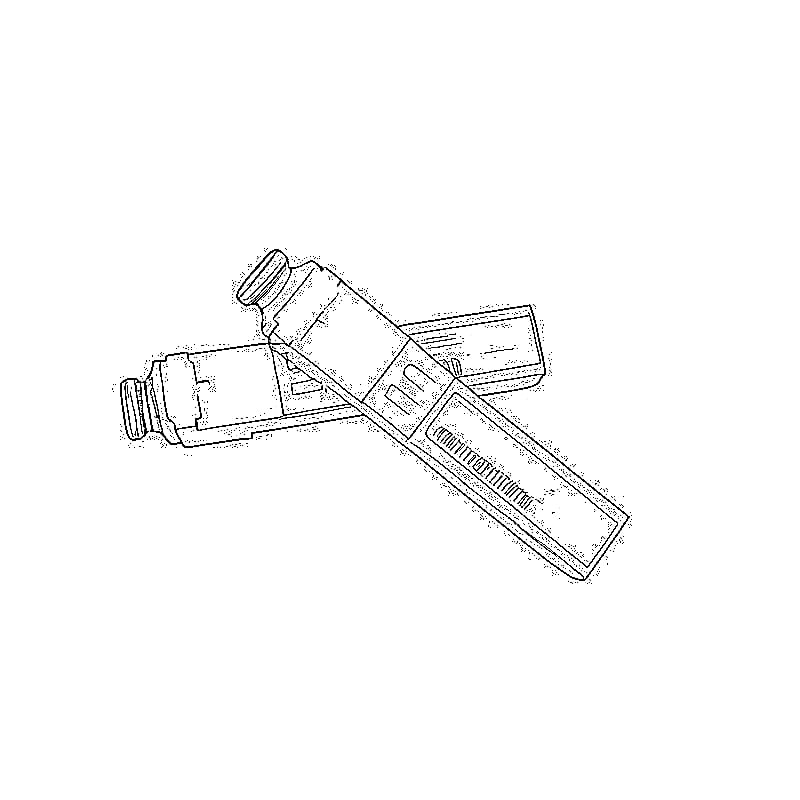
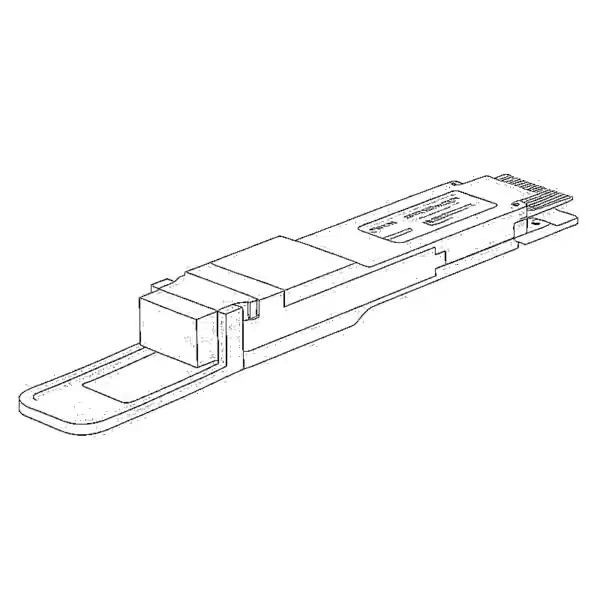
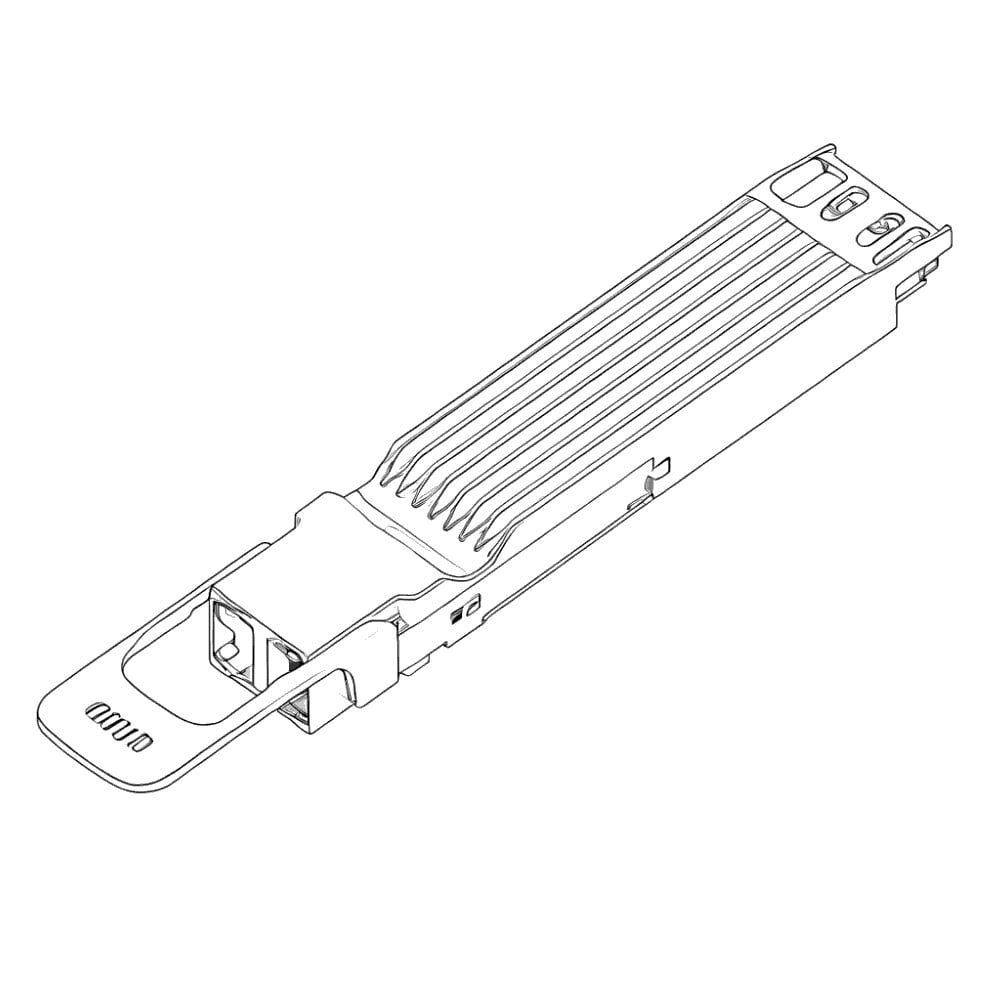
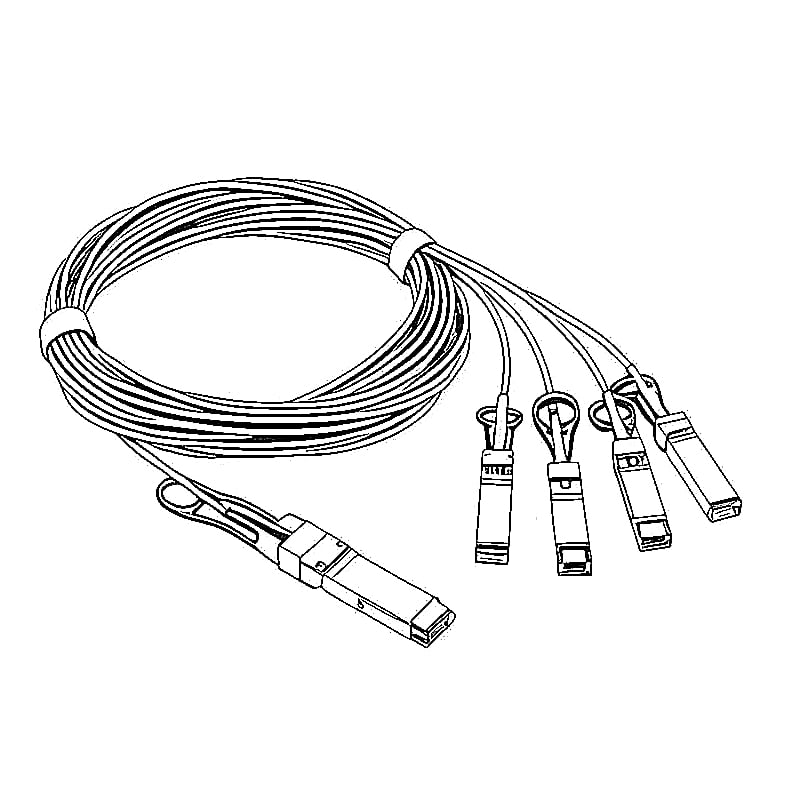
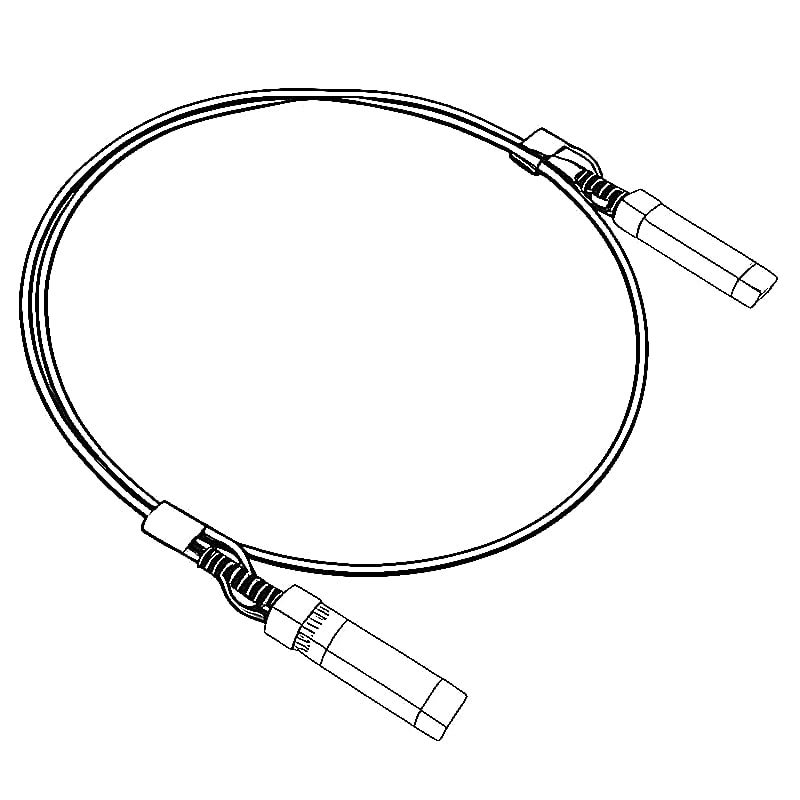
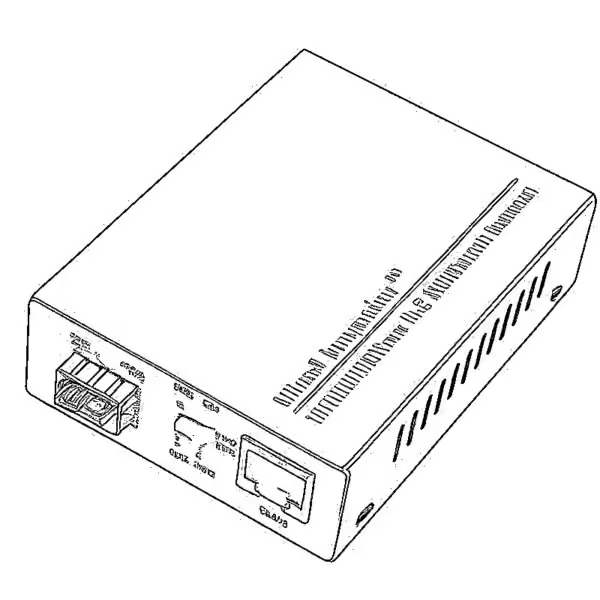
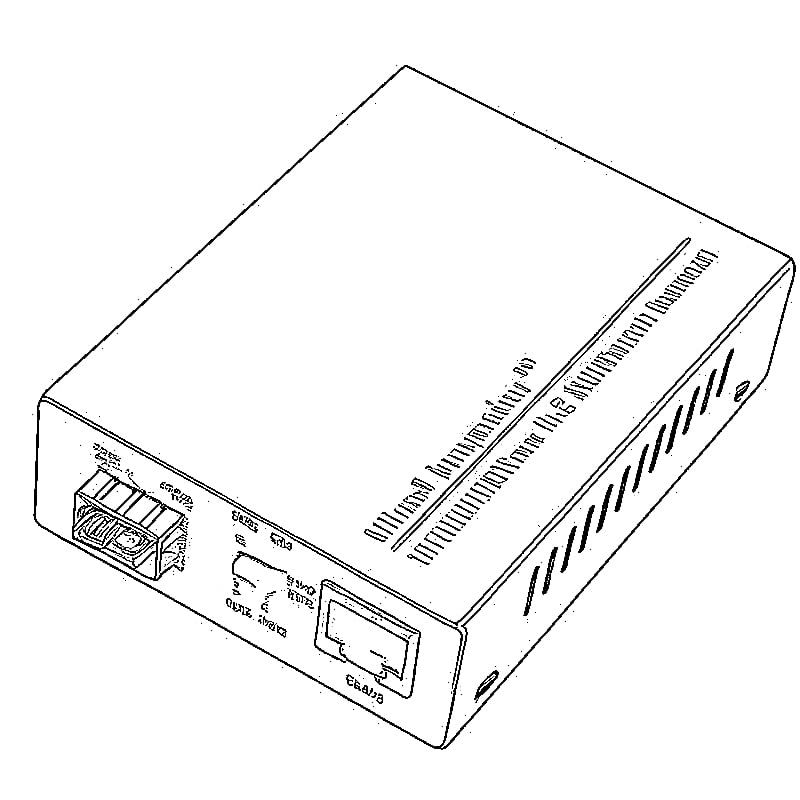
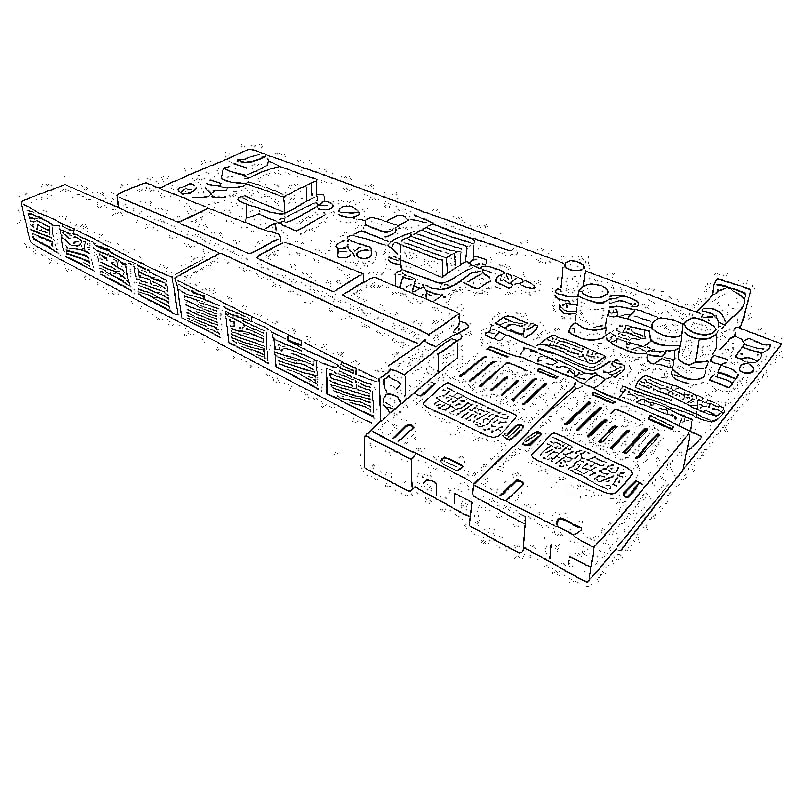
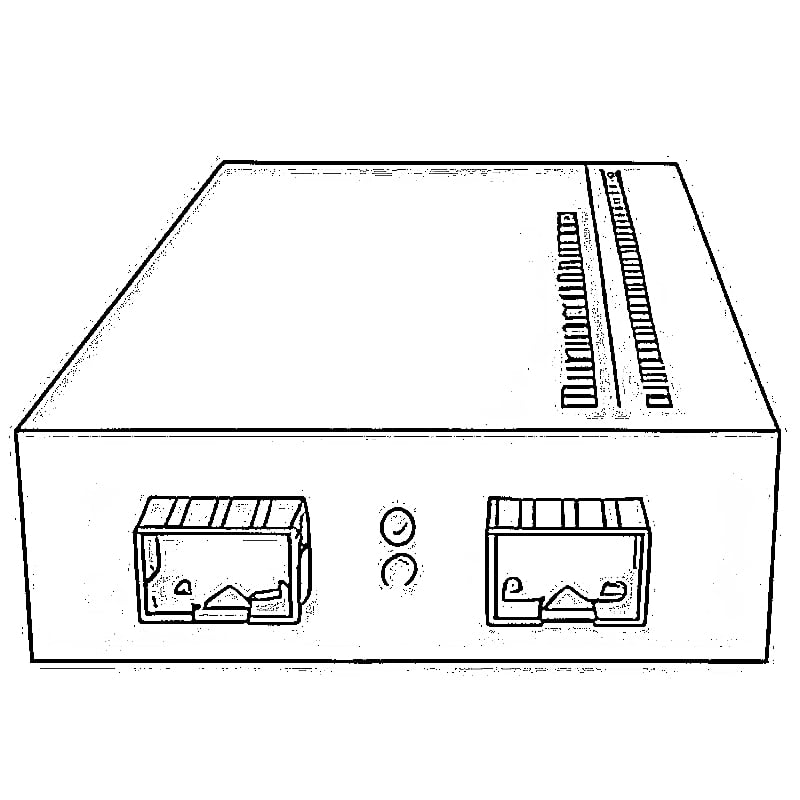
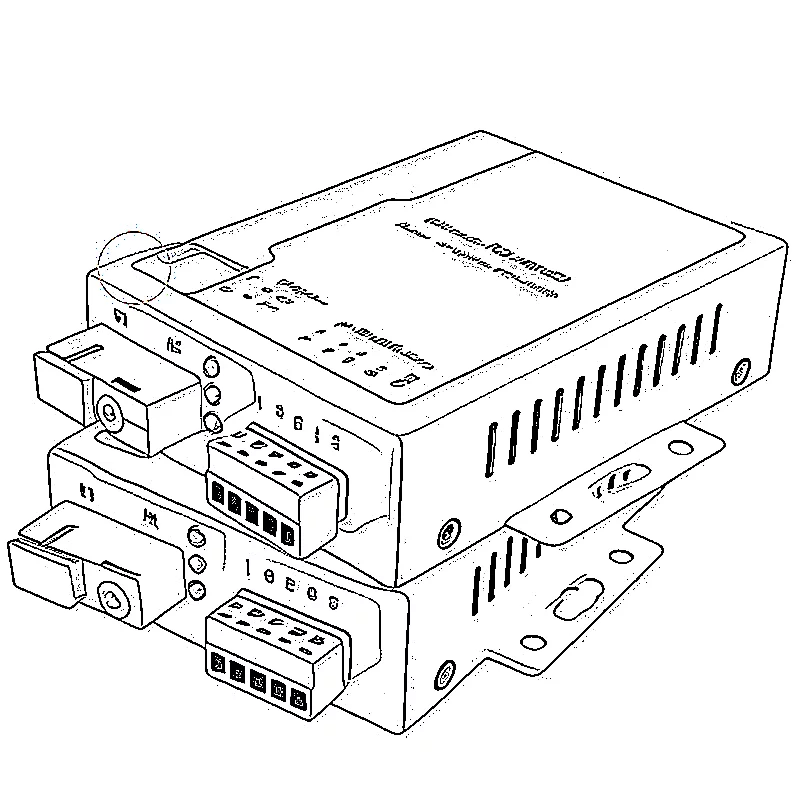
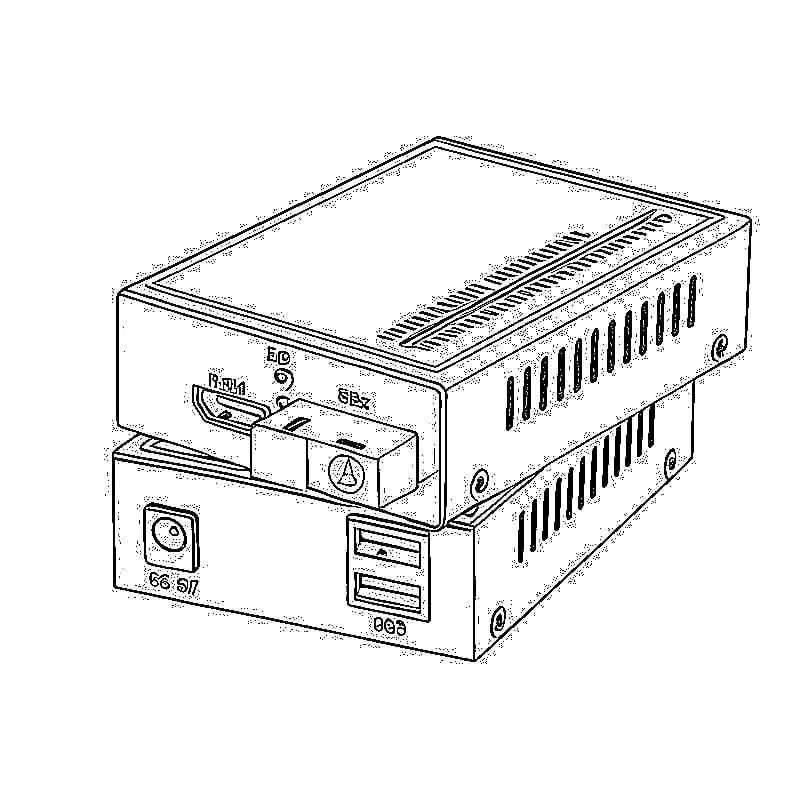

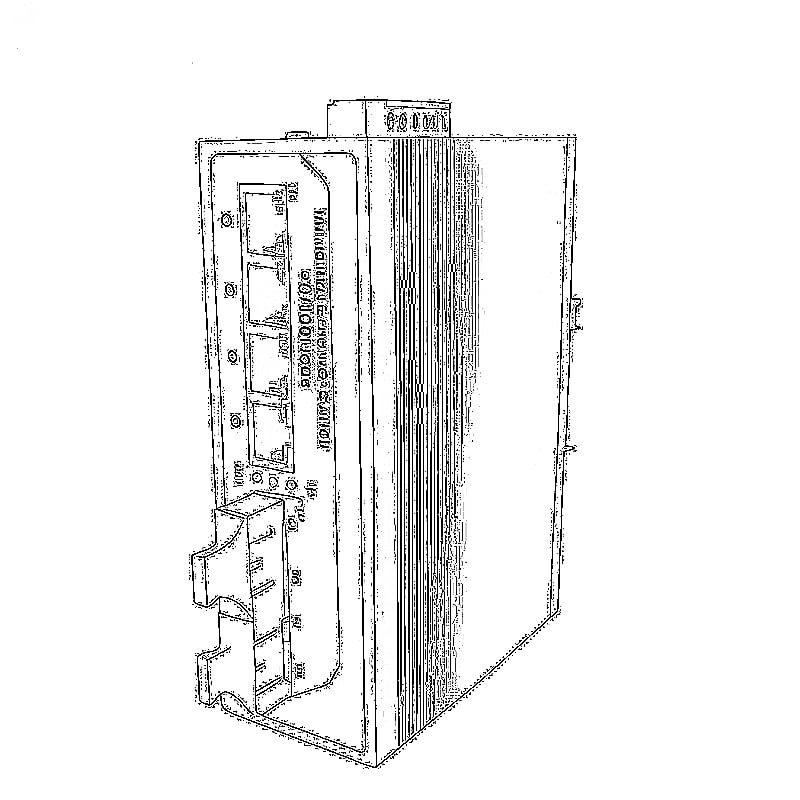
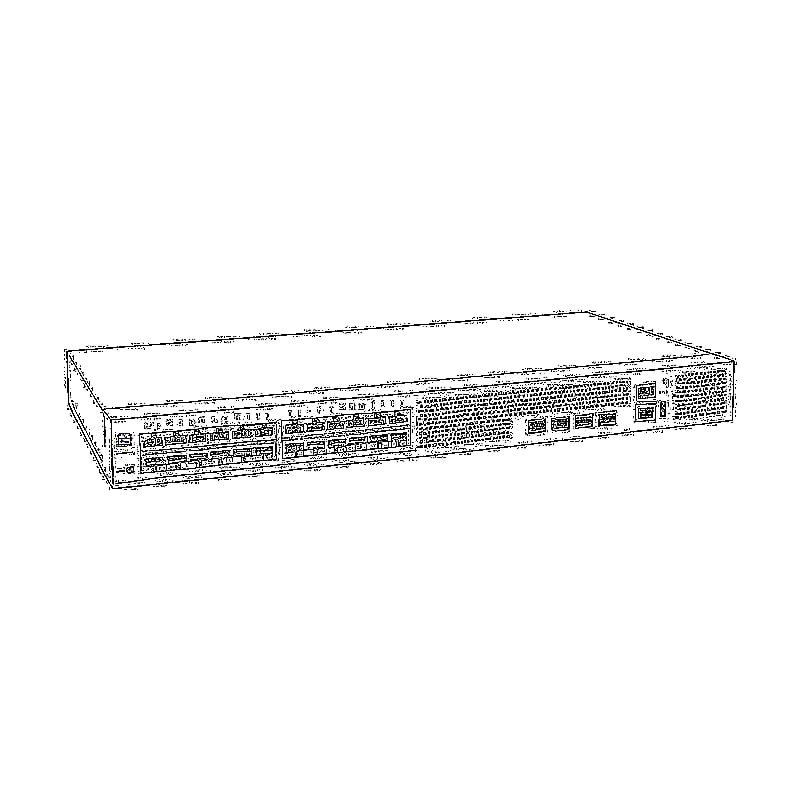
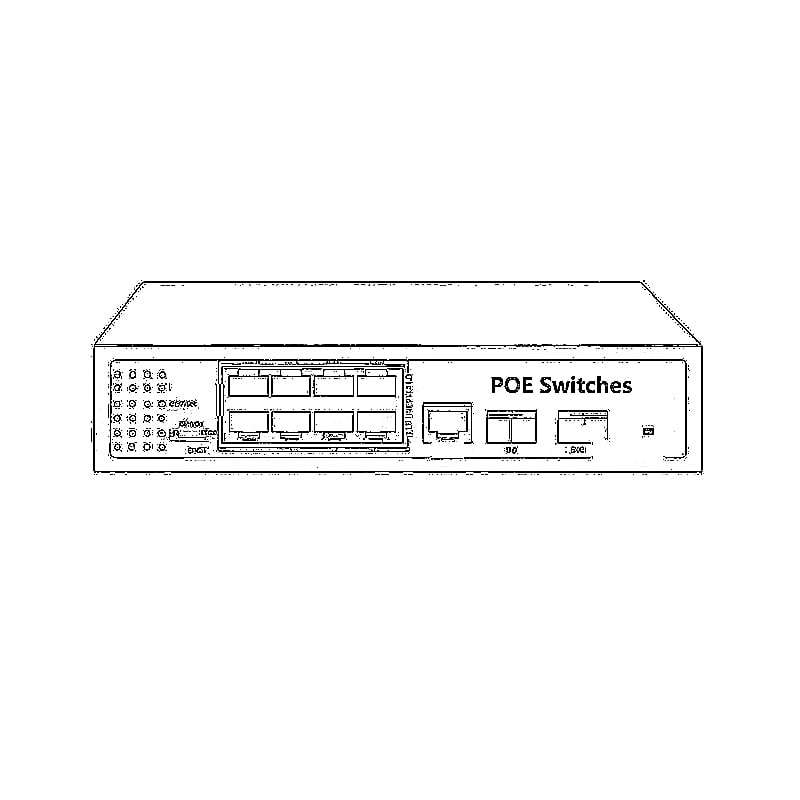
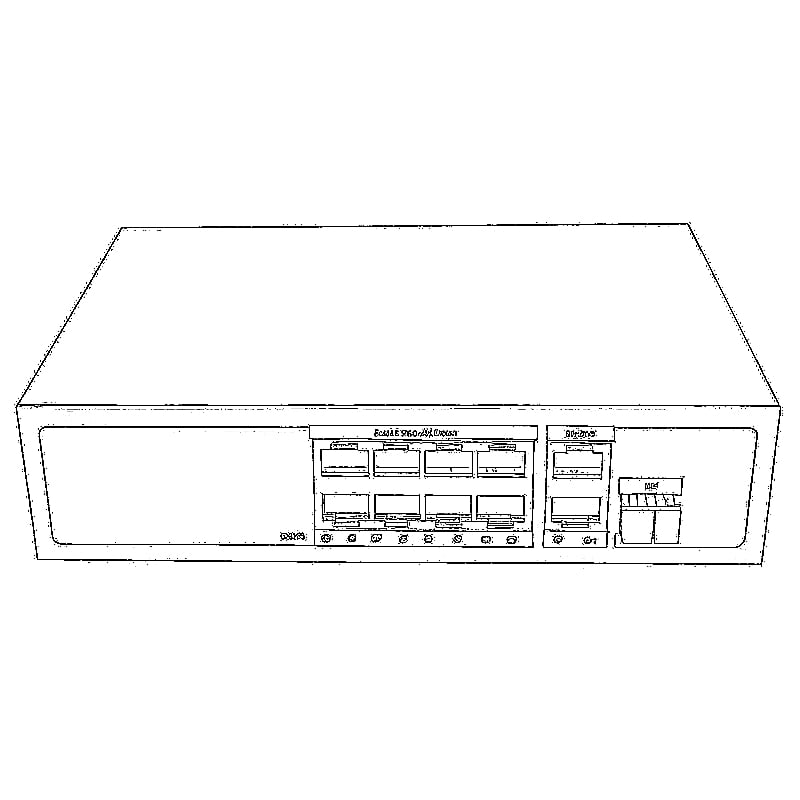

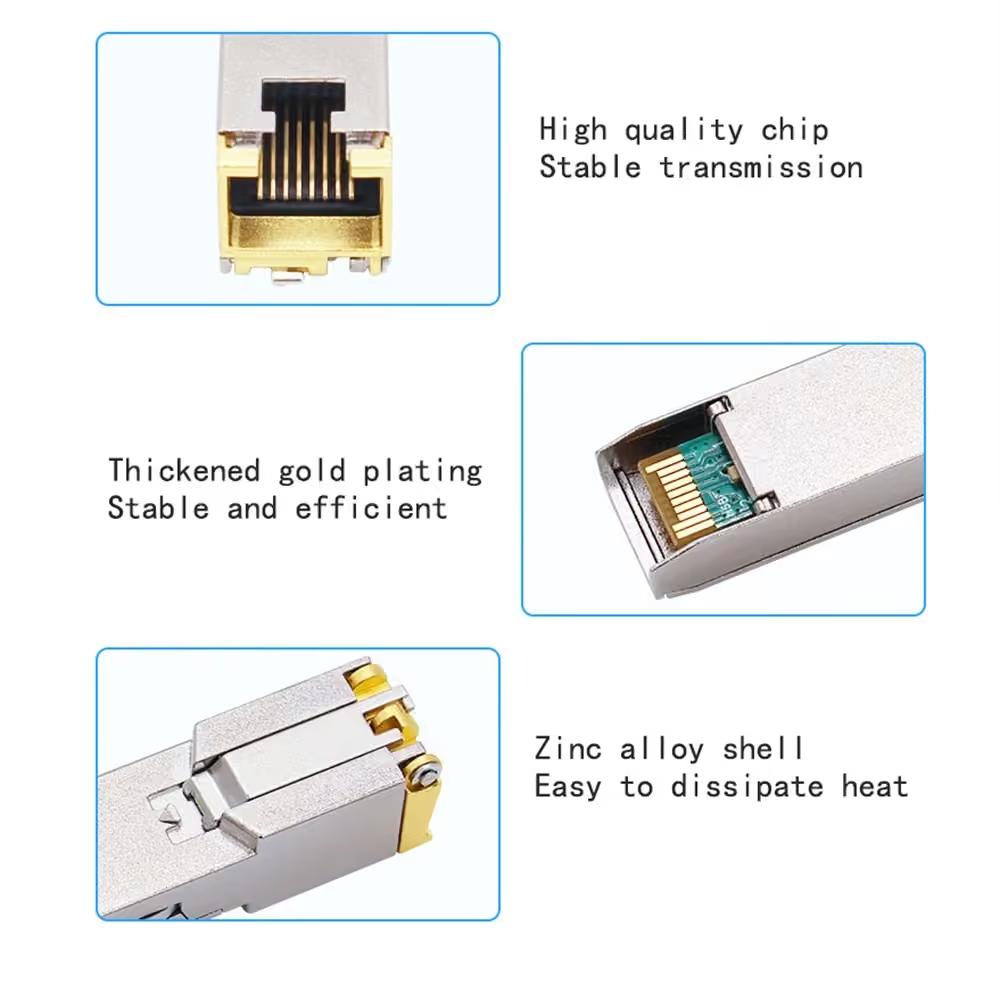
We often see the existence of SFP ports on network equipment such as switches, optical modules, routers, and media converters, but there are still some users who do not really understand the SFP ports, and have raised a series of questions about it, such as, what is the SFP port? What is the use, is the SFP port an optical fiber port, can the SFP port be converted to RJ45, etc.
What is an SFP port? Is it an optical fiber port? What is the use?
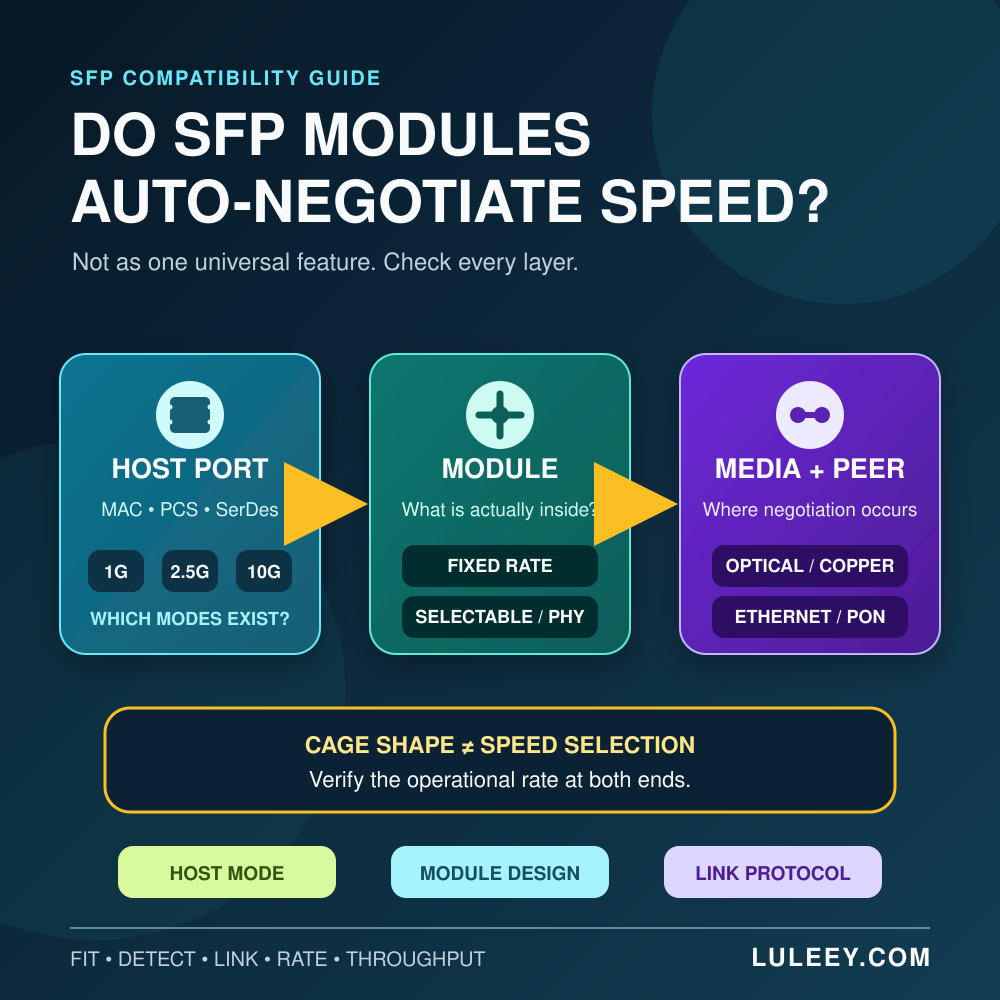
The SFP port is an interface that realizes gigabit photoelectric signal conversion. Its main function is for signal conversion and data transmission. Its port complies with the IEEE 802.3ab standard (such as 1000BASE-T), and the maximum transmission rate can reach 1000 Mbps (some The SFP port of the switch supports 10/100/1000Mbps adaptive), so it is also called Gigabit fiber port.
What are the advantages of SFP ports? What network devices are common?
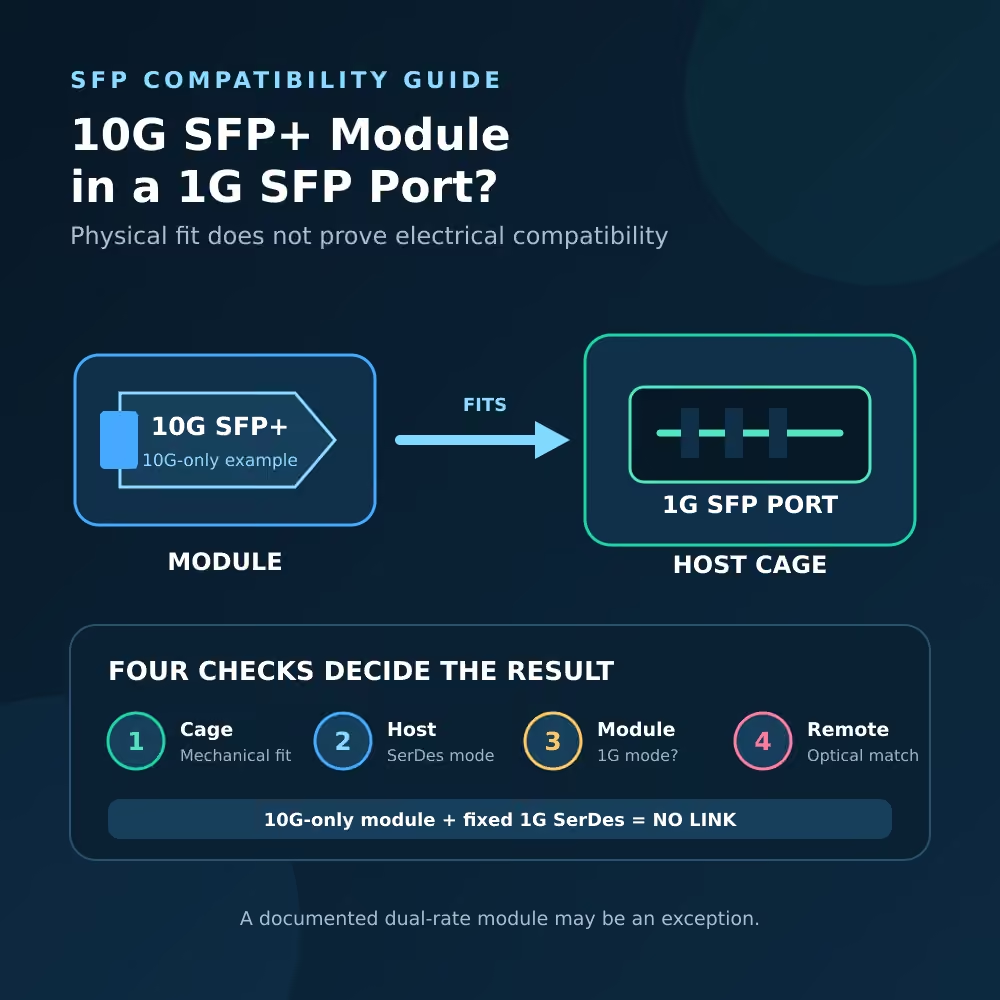
The SFP port is a hot-swappable I/O interface (referring to the input/output interface), which has strong flexibility and is suitable for a variety of network devices, such as SFP optical modules, Gigabit switches, etc., and can be used with 1000BASE-SX, 1000BASE-LX/LH, 1000BASE-ZX or 1000BASE-BX10-D/U ports for switching. In addition, the SFP port is backward compatible and supports 10/100/1000Mbps. In short, SFP ports have 4 major advantages:
● Support hot swap, which can reduce installation, maintenance and management time;
● Ports are flexible;
● Rugged design enhances reliability;
● Compatible with 10/100/1000Mbps.
What is the difference between SFP port and RJ45 port?
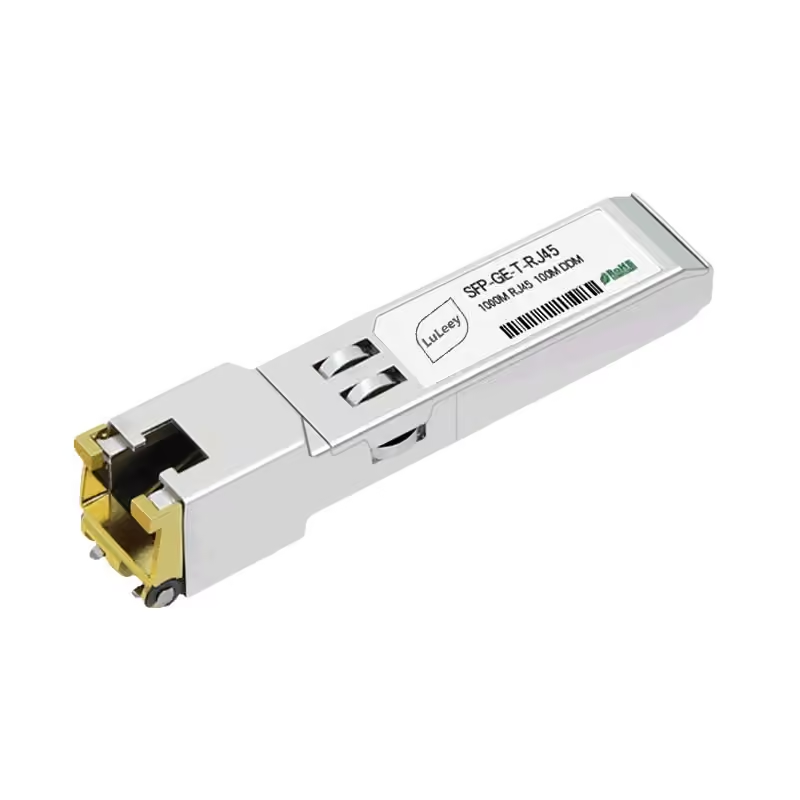
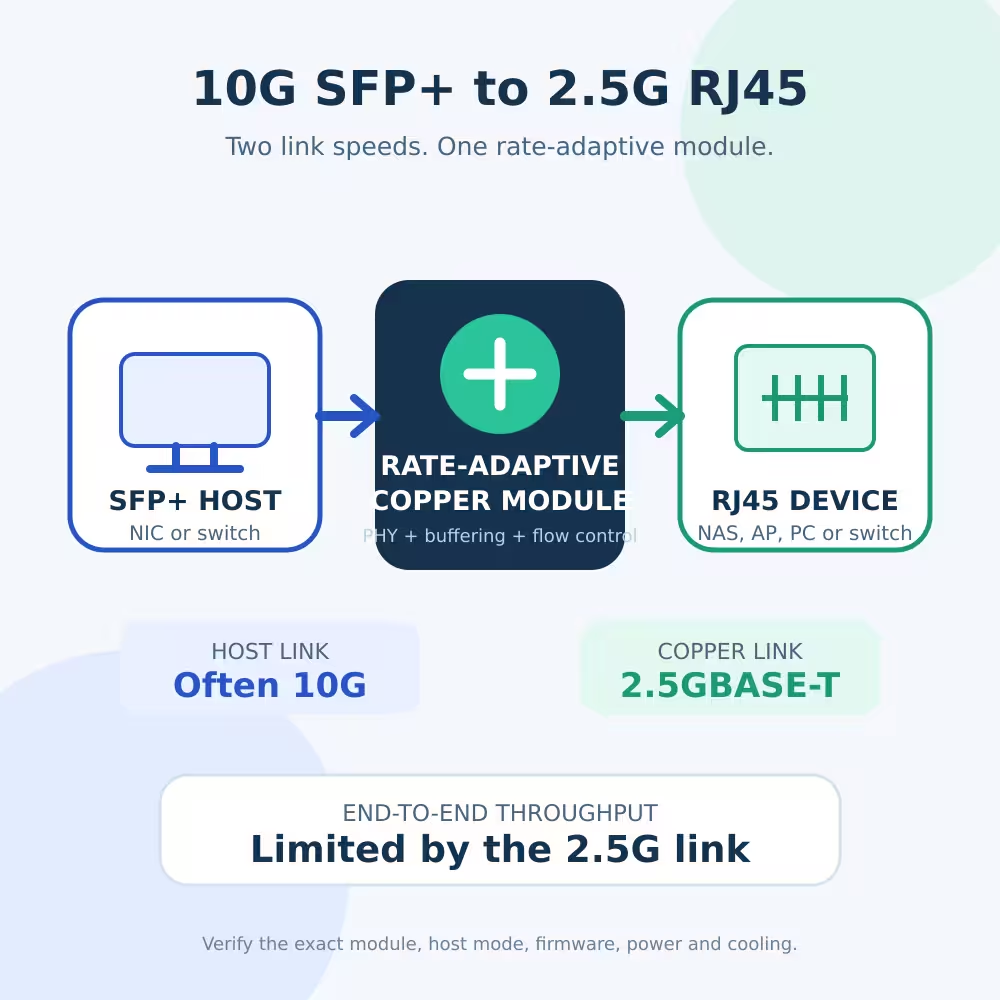
The RJ45 port mainly transmits data through the network cable, and its maximum transmission distance is the maximum transmission distance of the network cable, which is 100 meters; while the SFP port can only be used with an SFP module, and its maximum transmission distance is the maximum transmission distance of the SFP optical module, which is 160 meters. The maximum transmission distance of the switch inserted into different SFP modules is different, and the scalability is very good to meet the needs of various scenarios.The easiest way to use SFP is to convert it to RJ45 for use.
How do i get it?
This is a good choice if you need SFP modules.





 SFP/SFP+ (1G/2.5G/5G/10G)
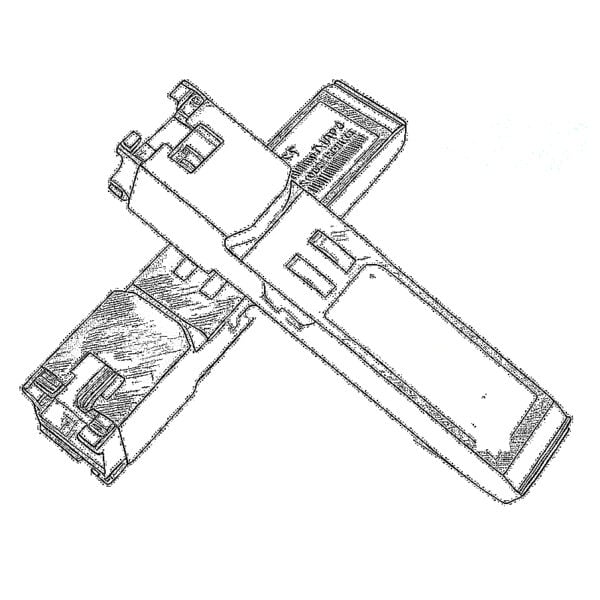 SFP-T (1 جيجابت/2.5 جيجابت/10 جيجابت)
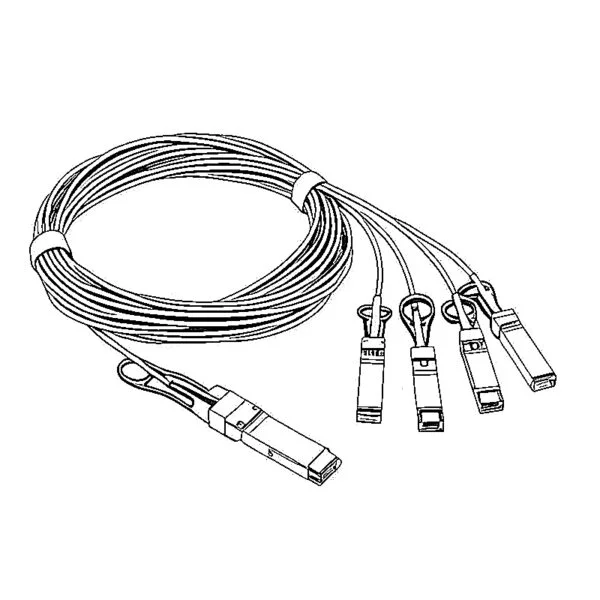 كابل AOC 10G/25G/40G/100G
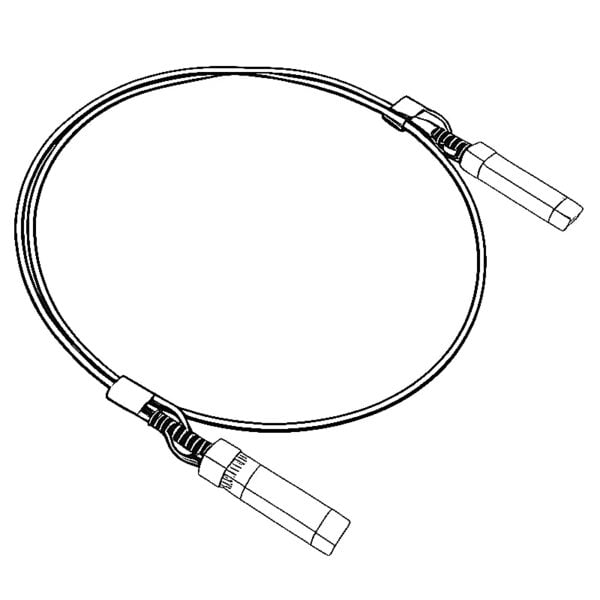 كابل DAC 10G/25G/40G/100G
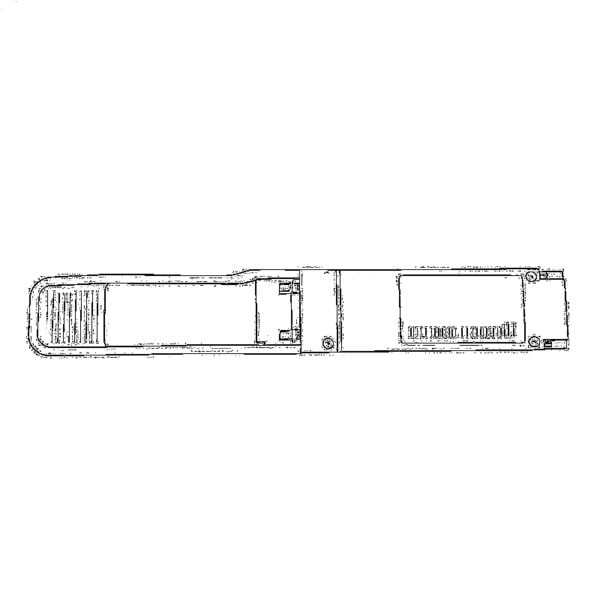 QSFP28، QSFP+، SFP28، 100G/40G/25G
 محولات الوسائط من النحاس إلى الألياف الضوئية
 لوحة PCBA لمحول الوسائط الليفية
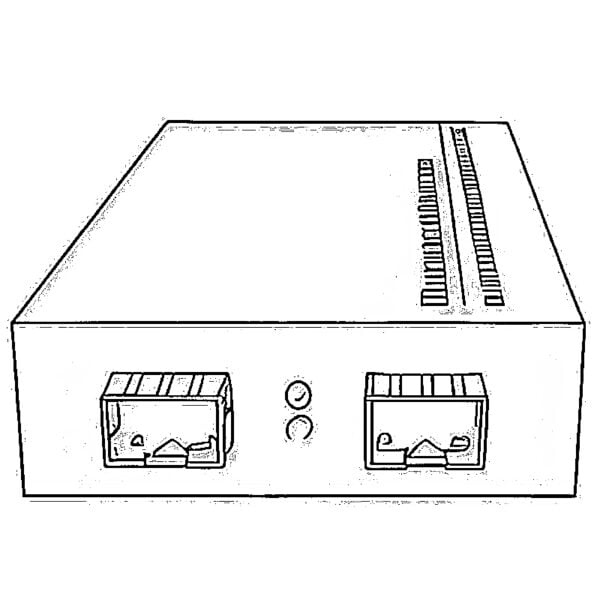 محولات الوسائط الليفية من OEO
 محولات الوسائط من التسلسلية إلى الألياف الضوئية
 محولات الوسائط من الفيديو إلى الألياف الضوئية
 وحدة ONU GPON/EPON بسعة 1000 ميغابت/ثانية
 وحدة ONU لشبكة EPON بسرعة 10 جيجابت/ثانية/XG-PON/XGS-PON
 وحدة ONU من نوع STICK SFP بتقنية 2.5G GPON/XPON
 وحدة ONU لشبكات POE GPON/EPON
 جهاز ONT لاسلكي من نوع GPON/EPON
 EPON OLT
 وحدة OLT لشبكة GPON
 وحدة SFP PON
 المفاتيح الصناعية
 المحولات المُدارة
 محولات POE
 المحولات غير المُدارة
 كابلات الألياف الضوئية من نوع MTP/MPO
 خراطيش الألياف الضوئية
 حلقة إرجاع الألياف الضوئية
 الكابلات البصرية وأطراف الألياف الضوئية
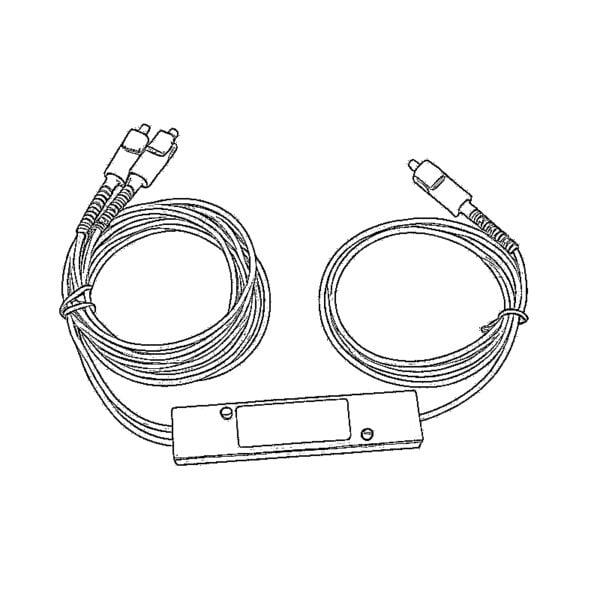 المقسمات الضوئية وصندوق المقسم
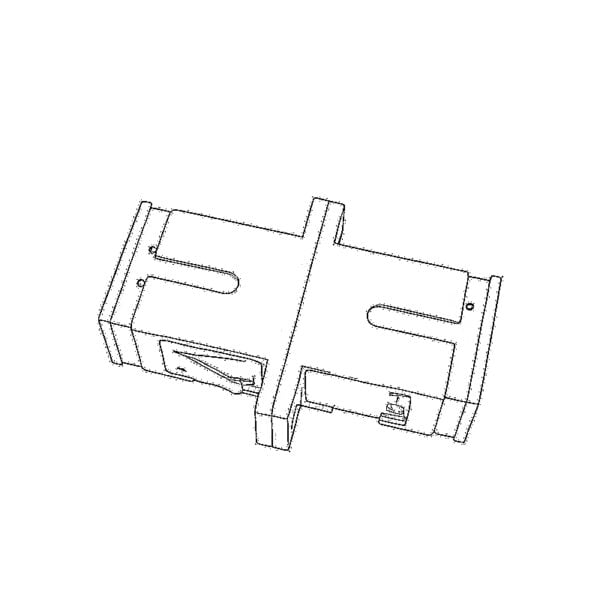 موصلات ذات شفة ليفية
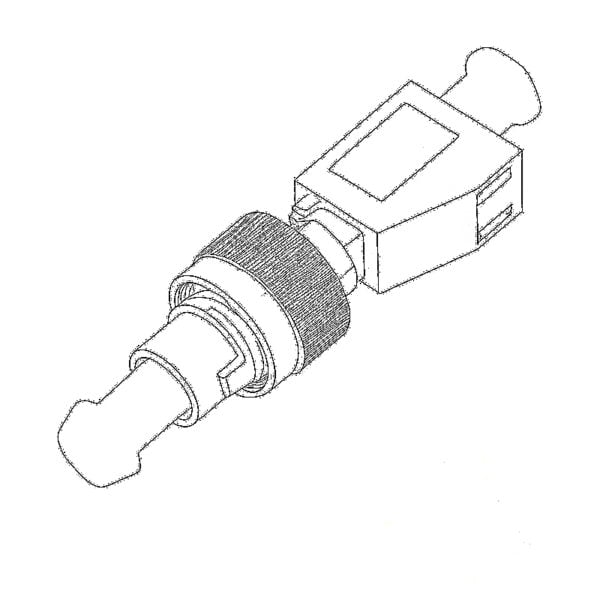 المحولات البصرية
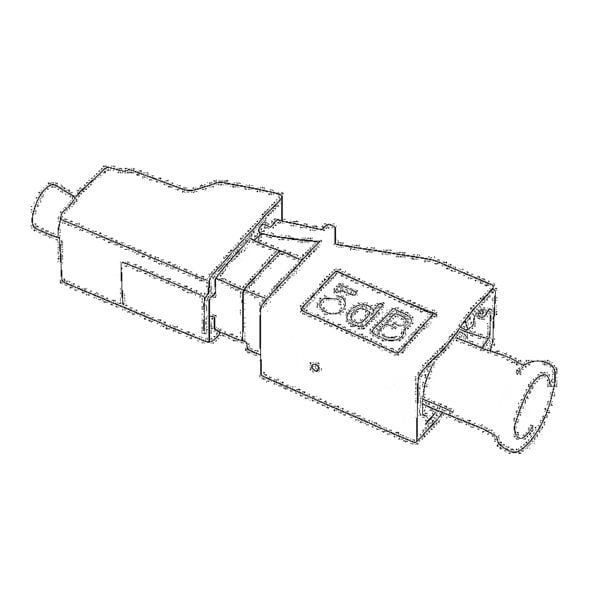 مخفف ضوئي
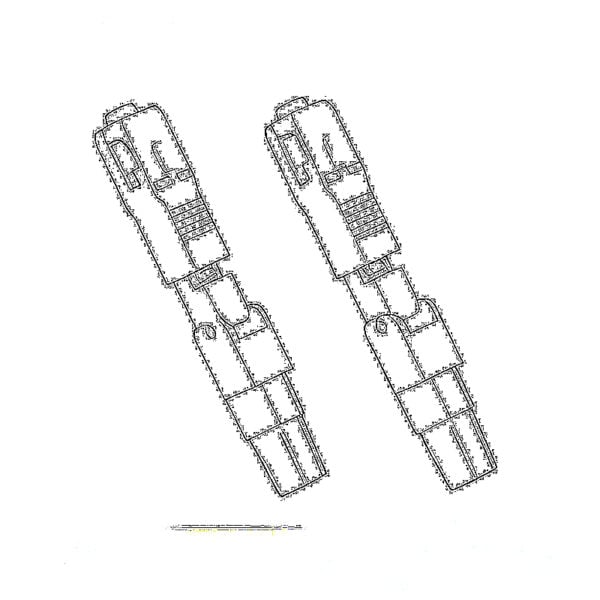 الموصل السريع ولوحة الموصلات
 مضخم إشارة كابل التلفزيون (CATV)
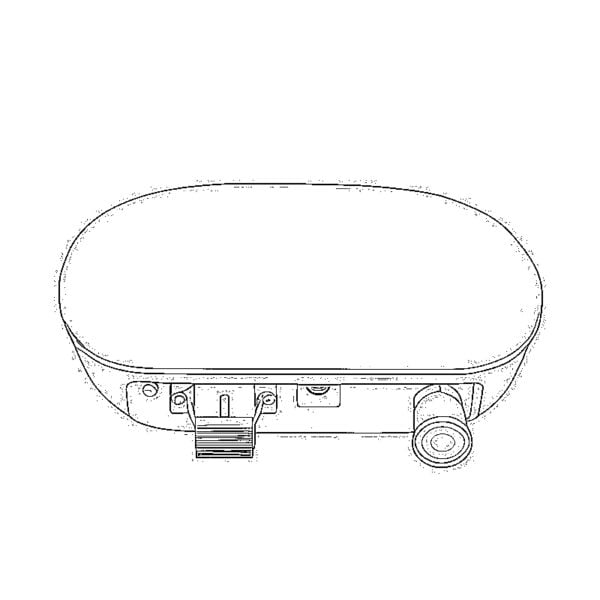 جهاز استقبال ضوئي لشبكة الكابل التلفزيوني (CATV)
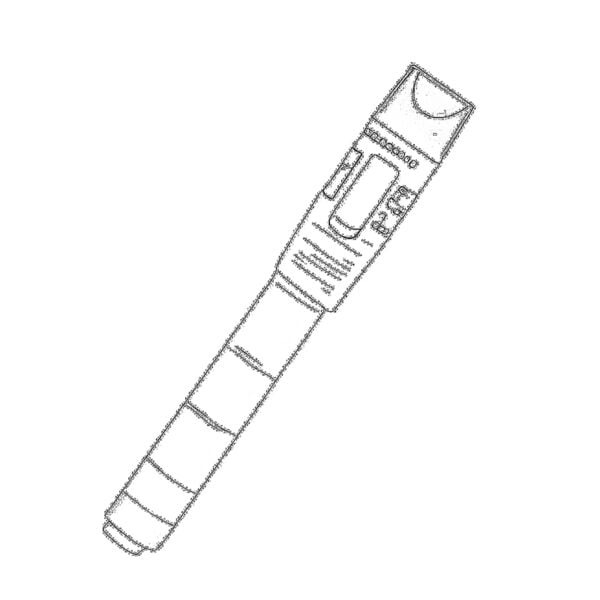 جهاز تحديد مواقع الأعطال البصري
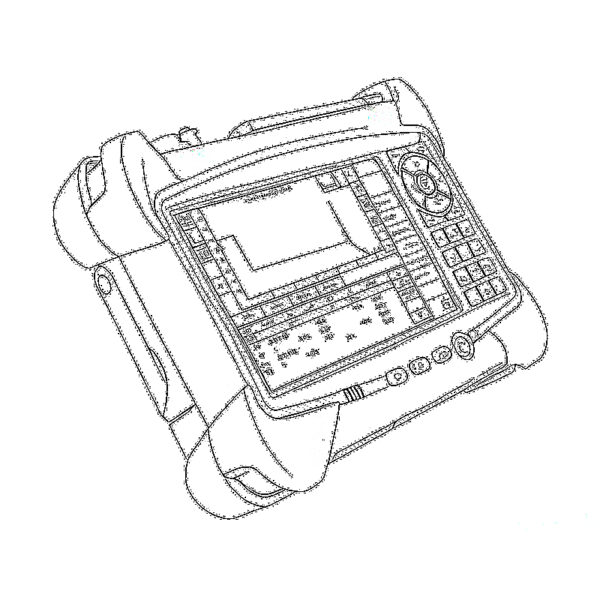 OTDR
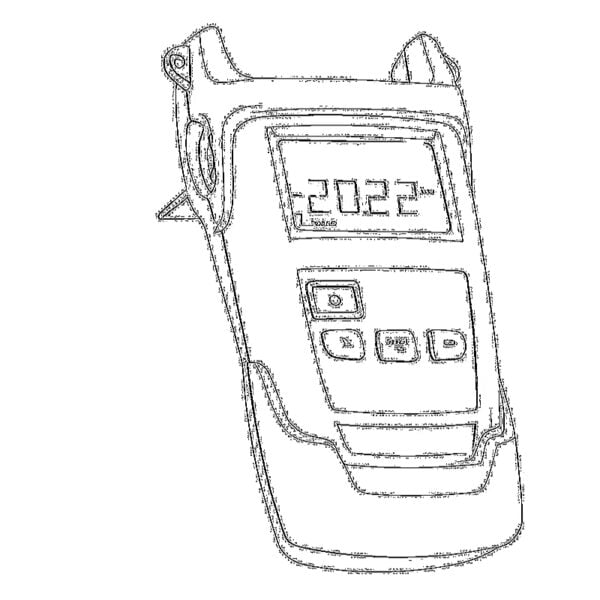 مقياس الطاقة الضوئية
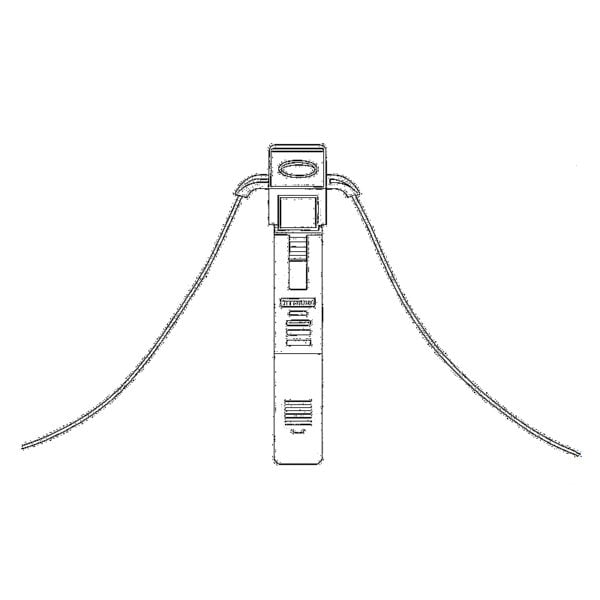 جهاز تحديد الألياف الضوئية
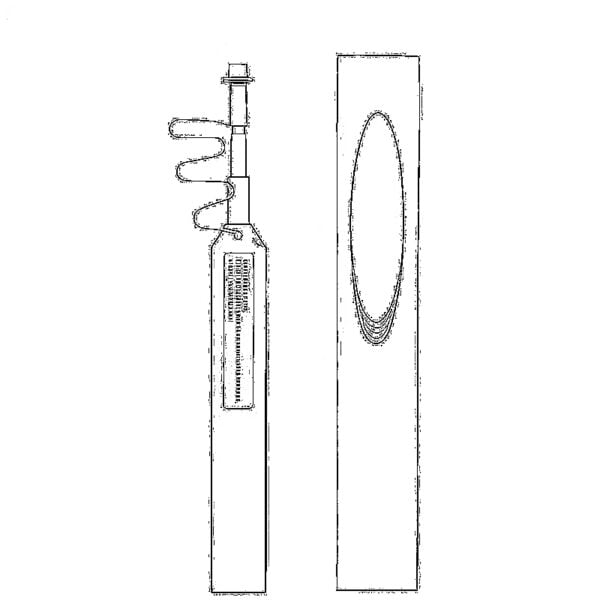 منظفات الألياف الضوئية
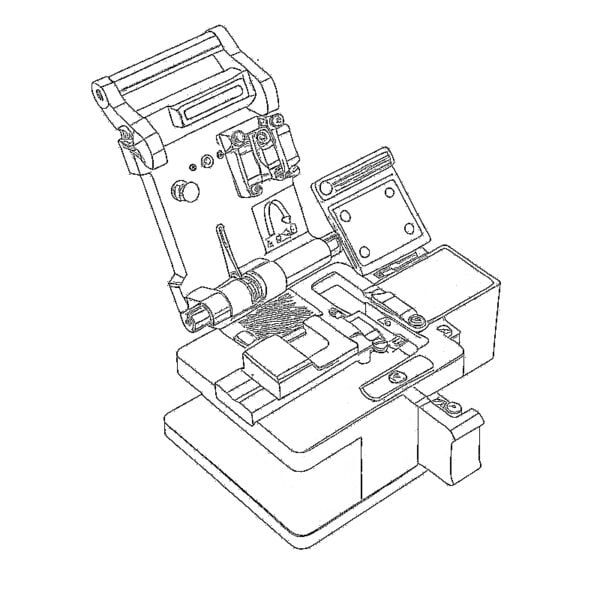 مقصات الألياف ومقشرات الألياف
 الأدوات النحاسية