関税はお客様のご負担となりますが、標準ロジスティクスでは、米国、DE、英国、カリフォルニア、フランス、IT、PL、AT、JP...など、ほとんどの国へのDDPを免税でサポートしています。

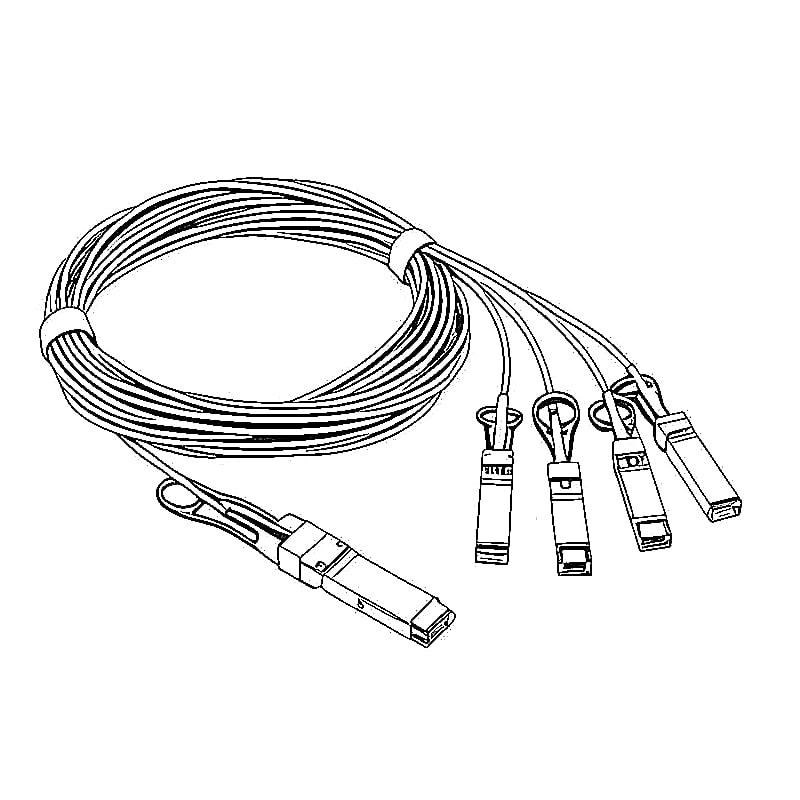
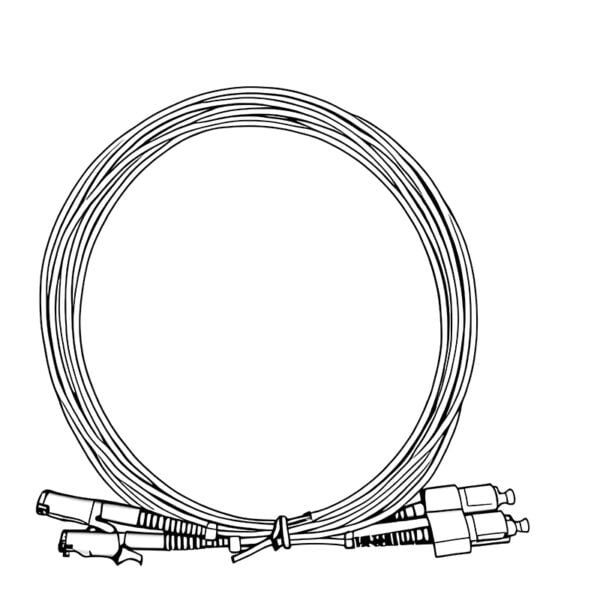
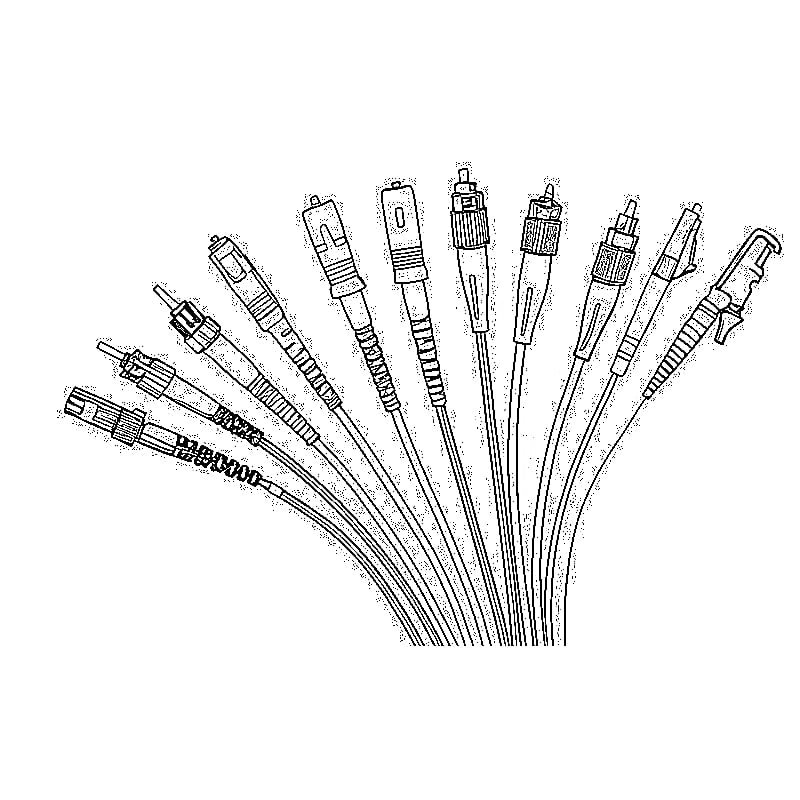
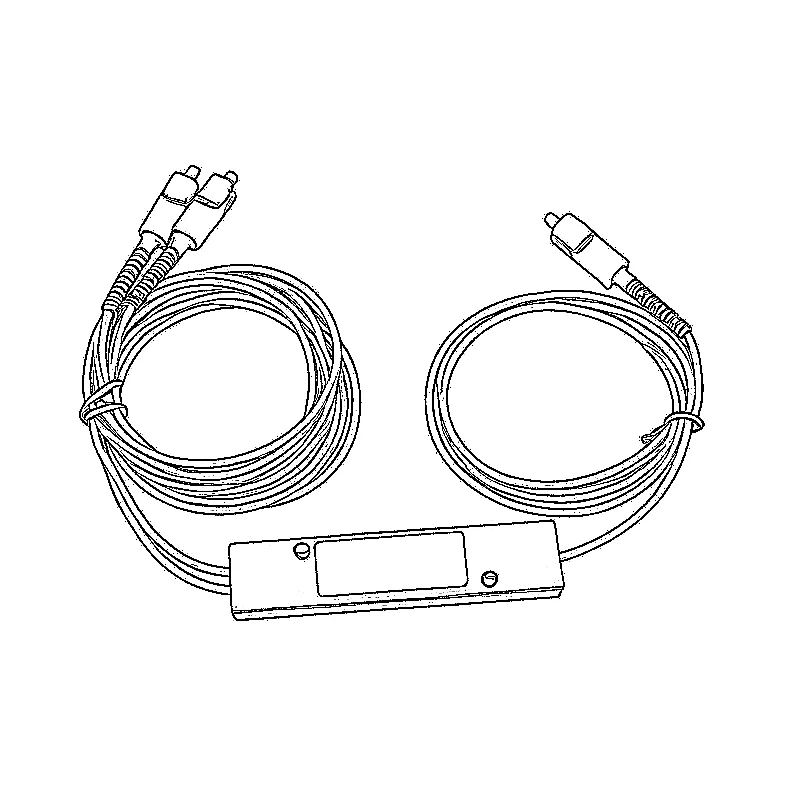

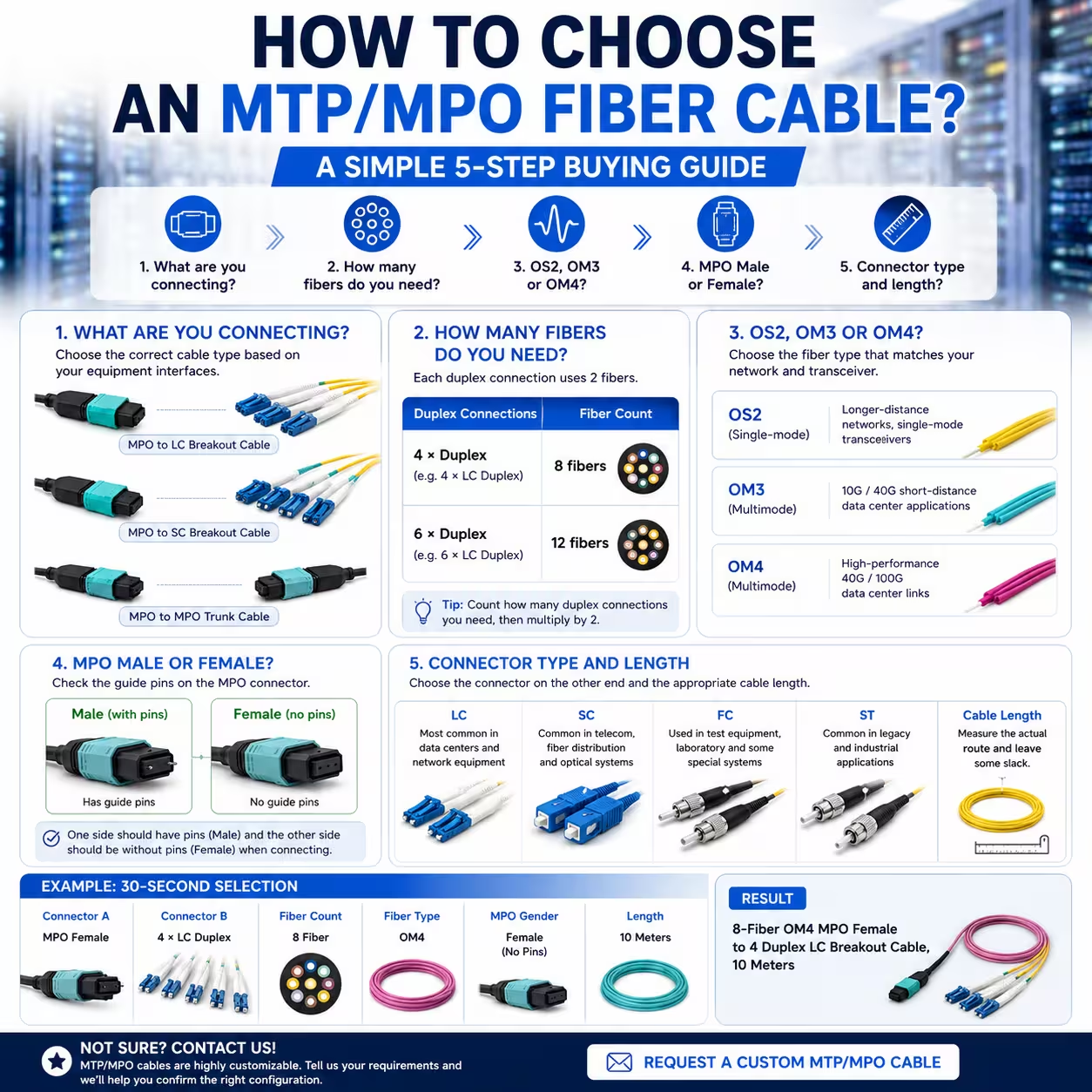
購入する MTP/MPOファイバーケーブル 複雑に見えるかもしれません。.
次のようなオプションが表示される場合があります:
- 8ファイバー
- 12 繊維
- OS2
- オーエムキューブ
- オーエムフォー
- 男性
- 女性
- LC
- SC
- FC
- ST
- UPC
- APC
1本のケーブルにしては選択肢が多すぎますね。.
しかし、ほとんどの場合、そうするものです ではない 購入する前に、すべてのMPO規格について理解しておく必要があります。.
以下の5つの簡単な質問に答えるだけで結構です:
- 何を接続していますか?
- 何本のファイバーが必要ですか?
- OS2、OM3、それともOM4が必要ですか?
- MPOのオス端子とメス端子のどちらが必要ですか?
- どのようなコネクタとケーブルの長さが必要ですか?
それでは、一つずつ見ていきましょう。.
ステップ1:何を接続しますか?
まずは一番簡単な問題から始めましょう:
お使いの機器の両端には、どのようなコネクタが付いていますか?
まず、次のような質問から始めないでください:
“「どのMPOケーブルが一番良いですか?」”
「これぞ」という最高のMPOケーブルというものは存在しません。.
どのケーブルを選ぶかは、何を接続したいかによって異なります。.
例えば、こうだ:
例 1: MPOからLCへ
スイッチやパッチパネルにMPOポートがあるものの、反対側の機器がLCコネクタを使用している場合を想定してください。.
以下のものが必要になる場合があります:
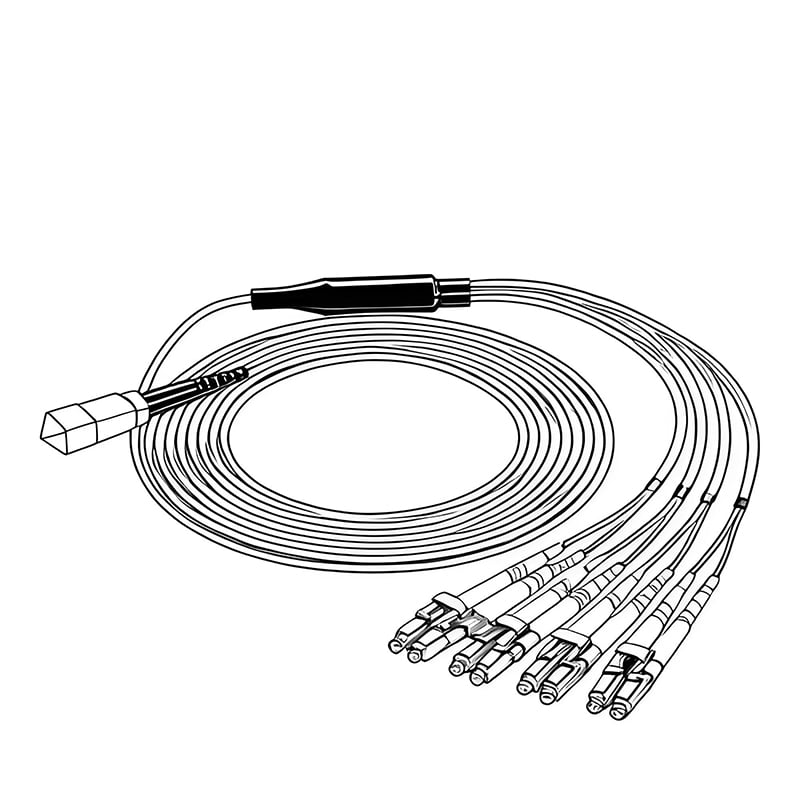
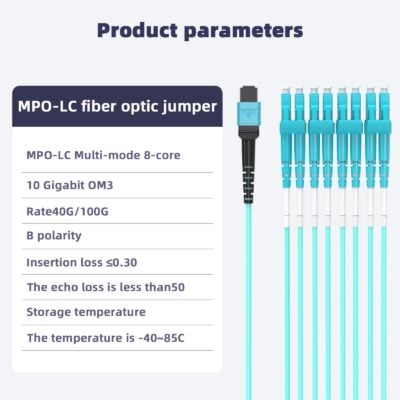
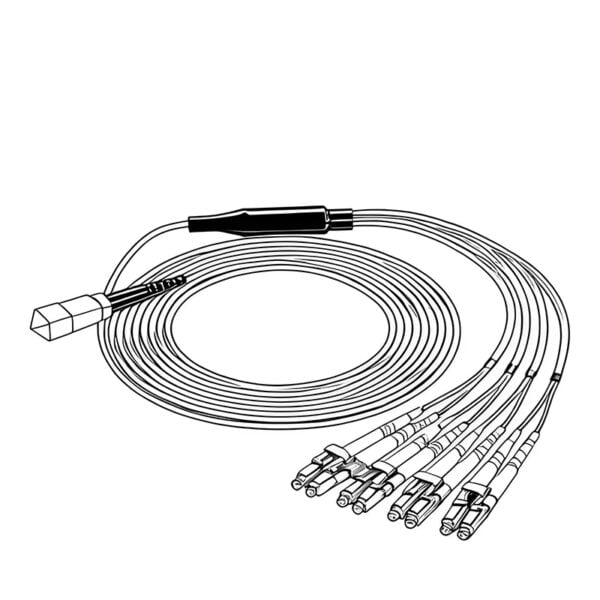
MPO-LC ブレークアウトケーブル
一般的な設定は次のとおりです:
1 × MPO → 4 × デュプレックス LC
これにより、1つのMPO接続を複数のLC接続に分岐させることができます。.
例 2:MPO から SC へ
もし、お使いの機器がSCコネクタを採用している場合はどうでしょうか。.
以下のものが必要になる場合があります:
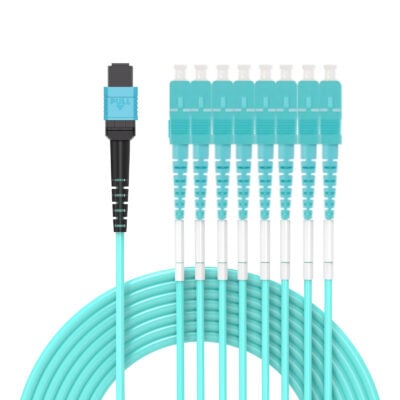
MPO-SC ブレイクアウトケーブル
これは、通信分野や光ファイバー配線、および一部の光機器においてよく見られるものです。.
例 3:MPO から MPO へ
両方のデバイスがMPOインターフェースを使用している場合は、単に以下が必要になる可能性があります:
MPO-MPO トランクケーブル
つまり、最初のルールは簡単です:
他のことを決める前に、デバイスAとデバイスBのコネクタを確認してください。.
ステップ2:8本か12本、どちらが必要ですか?
多くの初心者がここで混乱してしまうのです。.
幸いなことに、計算は簡単です。.
デュプレックス光接続では、通常、以下のものが使用されます:
2本のファイバー
1本のファイバーで伝送されます。.
1本のファイバーが受信します。.
したがって、4つのデュプレックス接続が必要な場合は:
4 × 2 = 8 本のファイバー
つまり、それは 8芯MPOケーブル 適しているかもしれません。.
簡単な例
必要なものは:
1 × MPO → 4 × デュプレックス LC
各デュプレックスLCコネクタは2本の光ファイバーを使用します。.
というわけで:
4 × 2 = 8 本のファイバー
結果:
8芯の製品を選択してください MPOブレークアウトケーブル.
もし、6つのデュプレックスLC接続が必要になった場合はどうすればよいでしょうか?
6 × 2 = 12 本のファイバー
すると、ある 12芯MPOケーブル そちらの方が良い選択かもしれません。.
これを覚えるためのとても簡単な方法は次の通りです:
| 必要な接続 | 一般的な繊維本数 |
| 4 × デュプレックス LC | 8本のファイバー |
| 6 × デュプレックス LC | 12本のファイバー |
もちろん、実際の用途はさまざまであり、特に並列光学系や特殊な偏光設計の場合には、その傾向が顕著です。.
しかし、基本的なブレイクアウトケーブルであれば、このシンプルなルールで十分機能します。.
ステップ3:OS2、OM3、OM4 — どれが必要ですか?
それでは、ファイバーの種類を選択してください。.
これは専門的に聞こえるかもしれませんが、基本的な考え方は簡単です。.
OS2
OS2はシングルモードファイバーです。.
一般的に次のような用途に使われます:
- 長距離光ファイバー回線
- シングルモード SFP/SFP+ モジュール
- 通信ネットワーク
- キャンパスネットワーク
- 建物間の接続
トランシーバーに次のような表示が出た場合は:
1310nm
または:
シングル・モード
OS2ファイバーを扱う機会が多くなるでしょう。.
オーエムキューブ
OM3はマルチモード光ファイバーです。.
一般的に、次のような短距離の高速接続に広く利用されています:
- データセンター
- サーバールーム
- 10Gイーサネット
- スイッチ間の短絡
OM3ケーブルは、しばしば以下の用途で使用されます。 850nmマルチモード・トランシーバー.
オーエムフォー
OM4もマルチモードファイバーです。.
OM3と似ていますが、一般的に、より高性能なマルチモード用途に対応しており、一部の高速規格では伝送距離も長くなっています。.
次のような場合に多く見られます:
- データセンター
- 高速スイッチング
- サーバー間接続
- 40G/100G マルチモード配線システム
重要なルールは次のとおりです:
単に「OM4」という名称が新しく聞こえたり、より優れているように感じられるという理由だけで選ぶのはやめましょう。ケーブルは、お使いのトランシーバーや既存のネットワークに合わせて選択してください。.
例えば、こうだ:
お使いのSFP+モジュールが以下のいずれかに該当する場合:
10GBASE-SR、850nm マルチモード
通常、以下の点を確認することになります:
OM3 または OM4
お使いのトランシーバーが以下のいずれかに該当する場合:
シングルモード
通常、以下の点を確認することになります:
OS2
簡単な表:
| ファイバー・タイプ | モード | 一般的な用途 |
| OS2 | シングルモード | より長い距離 |
| オーエムキューブ | マルチモード | 短距離高速リンク |
| オーエムフォー | マルチモード | 高性能なデータセンター間接続 |
ステップ4:MPOはオスかメスか?
これは、間違ったMPOケーブルを注文してしまう最もよくある原因の一つです。.
その違いは物理的なものです。.
MPO オス
アン MPOオスコネクタにはガイドピンが付いています.
MPO女性
アン MPOメスコネクタにはガイドピンがありません.
とても簡単ですね。.
次のように覚えておくとよいでしょう:
オス = ピン
女性=ピンなし
なぜこれらのピンが重要なのでしょうか?
ガイドピンは、MPOコネクタ内部の複数のファイバーの位置合わせを助けます。.
通常、2つのMPOコネクタを接続する場合、一方の側がガイドピンを提供し、もう一方の側がそれを受け入れます。.
そのため、ご注文の前に、お使いの機器で既に使用されているMPOポートやアダプターをご確認ください。.
「男性の方が常に優れている」とか「女性の方が常に優れている」といった先入観を持たないでください。.
これらは単に接続の種類が違うだけです。.
ステップ 5:コネクタの種類とケーブルの長さを選択する
これでほぼ完了です。.
最後の質問は次のとおりです:
反対側にはどのようなコネクタが必要ですか?
そして:
ケーブルの長さはどれくらいにすればよいですか?
一般的なブレークアウトコネクタの選択肢には、次のようなものがあります:
- LC
- SC
- FC
- ST
それぞれが、さまざまな種類のファイバー機器で使用されています。.
MPOからLCへ
これは、最も一般的なブレイクアウトのパターンの一つです。.
主に次のような用途に使われます:
- スイッチ
- 光トランシーバー
- データセンターの機器
- パッチパネル
例:
MPO(メス)→ 4 × デュプレックス LC
MPOからSCへ
よく見られる場所:
- 通信機器
- ファイバーの配線
- 光アクセスシステム
- 各種試験・伝送機器
MPOからFCへ
FCコネクタは、次のような場面でよく見られます:
- 試験装置
- 実験室用システム
- 測定機器
- 特殊光学システム
MPOからSTへ
STは、以下の場合に多く見られます:
- 旧式のファイバーネットワーク
- 産業用システム
- 旧式の設備
MPOケーブルの長さはどれくらいにすべきですか?
この部分は簡単ですが、侮ってはいけません。.
実際のルートを測定してください。.
2つの機器間の直線距離だけを測定しないでください。.
例えば、こうだ:
2つのラックは、わずか5メートルしか離れていないかもしれない。.
しかし、ケーブルは通さなければならない:
ラック → ケーブルトレイ → 天井配線 → 2番目のラック
実際のケーブルの敷設距離は8メートルになる可能性があります。.
それなら、ちょうど5メートル買うのは間違いでしょう。.
通常、設置やメンテナンスのために、ケーブルを適度に余分に確保しておくほうがよいでしょう。.
ただし、特に混雑したラック内では、不必要に長いケーブルを購入しないようにしましょう。.
30秒でわかるMPOケーブルの選び方の簡単な例
それでは、すべてをまとめてみましょう。.
たとえば、次のように伝えてください:
MPOポートが1つあり、これを4つのLCデュプレックスインターフェースに接続したいと考えています。使用しているトランシーバーはマルチモード対応で、10メートルのケーブルが必要です。.
それでは、5つの質問に答えてください。.
1. 何を接続していますか?
MPO → LC
2. 繊維はいくつありますか?
4デュプレックスLC × 2ファイバー = 8本のファイバー
3. 繊維の種類は?
マルチモード → OM3 または OM4, お使いのシステムによって異なります。.
例えばOM4としましょう。.
4. MPOの性別は?
お使いの機器にはメス端子が必要です。.
5. 長さは?
10メートル。.
したがって、最終的な要件は次のようになります:
8ファイバー OM4 MPO メス - 4デュプレックス LC ブレークアウトケーブル、10m
そう聞くと、ずいぶんシンプルに聞こえますね。.
もう1つの例:シングルモード MPO から SC への接続
要件が次のような場合を想定します:
- シングルモードネットワーク
- 12本のファイバー
- MPO オス
- SC/APC ブレークアウト
- 20メートル
そうすれば、そのケーブルを次のように説明できます:
12芯 OS2 MPO オス - SC/APC ブレークアウトケーブル、20m
これらの基本的なパラメータを把握しておけば、MPOケーブルのカスタマイズは格段に簡単になります。.
MPOの極性についてはどうでしょうか?
次のような用語も目にするかもしれません:
- タイプA
- タイプB
- タイプC
- キーアップ
- キーダウン
これらは、ケーブルの一端からもう一端にかけて、繊維がどのように配置されているかを指しています。.
極性は、特に複雑なデータセンターや並列光学システムにおいて重要です。.
しかし、初心者の方でも、このことでケーブル選びをためらわないでください。.
最も簡単な解決策は次のとおりです:
接続するデバイスやインターフェースの種類をサプライヤーに伝えてください。.
そうすれば、生産前に正しい極性を確認することができます。.
より複雑なMPOの設置においては、極性を推測するのではなく、常に慎重に確認する必要があります。.
MTP 対 MPO:気にする必要はあるのか?
両方表示される場合があります MTP そして メディカルポリオメーター 商品説明で使用されます。.
MPOは、一般的な多芯コネクタの規格です。.
MTPは、特定の用途向けに設計された高性能なMPOコネクタです。.
多くの購入者にとって、重要なのはその名前そのものではない。.
さらに重要なのは以下の通りです:
- 繊維本数
- ファイバー・タイプ
- 男性または女性
- コネクタタイプ
- 極性
- ケーブル長
- 申し込み
既存のケーブルを交換する場合は、現在設置されているケーブルの仕様と一致するものを選んでください。.
MPOケーブル購入時のよくある間違い
以下に、最もよくある問題のいくつかを挙げます。.
間違った種類の繊維を購入してしまう
例えば、こうだ:
シングルモード光システムでOM4マルチモードケーブルを使用する。.
お使いのネットワークで以下が使用されているかどうかを確認してください シングルモードまたはマルチモード まず。.
間違った繊維番手の購入
6つのデュプレックス接続が必要なのに、8ファイバーのケーブルを購入した場合、ファイバー数が足りなくなります。.
ご注文の前に、接続数を数えてください。.
MPOの性別を間違えて選択してしまった場合
MPOコネクタのオスとメスは、すべての構成において互換性があるわけではありません。.
既存のコネクタにピンがあるかどうかを確認してください。.
極性の無視
コネクタは物理的には接続できても、ファイバーのマッピングが間違っていると、リンクが正常に動作しなくなる可能性があります。.
間違ったブレークアウトコネクタの購入
LCは一般的だからといって注文してはいけません。.
お使いの機器に実際に何が搭載されているかを確認してください。.
以下のものが必要になる場合があります:
代わりにSC、FC、またはST。.
MTP/MPOファイバーケーブルの選び方:簡易チェックリスト
ご注文の前に、以下のパラメータをご確認ください:
| 質問 | あなたの回答 |
| コネクターA | MPO / MTP |
| コネクターB | LC / SC / FC / ST / MPO |
| ファイバー・カウント | 8 / 12 / その他 |
| ファイバー・タイプ | OS2 / OM3 / OM4 |
| MPOジェンダー | 男性/女性 |
| コネクタの研磨 | UPC/APC(該当する場合) |
| 極性 | 必要に応じて「A」「B」「C」のいずれかを入力してください |
| ケーブル長 | ___メートル |
| 申し込み | スイッチ/データセンター/通信/試験装置 |
これらの質問に答えられれば、適切なケーブル選びまであと一歩のところまで来ていると言えます。.
お探しのMTP/MPOケーブルが見つかりませんか?
これは普通のことだよ。.
MTP/MPOファイバーケーブルは、カスタマイズ性の高い製品です。.
次のような組み合わせが必要になる場合があります:
- 8芯または12芯
- OS2、OM3、またはOM4
- 男性用または女性用 MPO
- LC、SC、FC、またはSTのブレイクアウト
- UPC または APC
- さまざまなケーブル長
- 特定の極性
場合によっては、必要な組み合わせが標準の製品オプションとして用意されていないこともあります。.
その場合は、両端の機器に関する基本情報を弊社までお送りください。.
すべての専門用語を知っている必要はありません。.
次のような単純なものでさえ:
“「こちら側がMPOで、反対側にはLCデュプレックスポートが4つあり、リンクはマルチモードです。」”
これだけでも、設定が正しいかどうかを確認し始めるには十分な情報です。.
特別な仕様が必要ですか?カスタムMTP/MPO光ファイバーケーブルをご依頼ください。.
最終的な答え
の選び方 MTP/MPOファイバーケーブル すべての選択肢を一度に検討するのをやめると、ずっと簡単になります。.
以下の5つの質問に答えてください:
1. 何を接続していますか?
2. 繊維はどれくらい必要ですか?
3. OS2、OM3、それともOM4?
4. MPOは男性か女性か?
5. どのようなコネクタとケーブルの長さが必要ですか?
例えば、こうだ:
MPO → 4ポート・デュプレックス・LC
8本のファイバー
オーエムフォー
女性MPO
10メートル
次のようになります:
8ファイバー OM4 MPO メス - 4デュプレックス LC ブレークアウトケーブル、10m
選定プロセスを小さなステップに分解すれば、高度にカスタマイズされたMPOケーブルであっても、その選定は極めて簡単になります。.
よくある質問
ダニエルさんの質問:8ファイバーのMPOケーブルと12ファイバーのMPOケーブル、どちらを選べばいいでしょうか?
用途によって異なります。例えば、4つのデュプレックスLC接続では通常8本のファイバーが使用されますが、6つのデュプレックスLC接続では12本のファイバーが使用されます。.
マイケルさんの質問:OM4はOM3よりも常に優れているのでしょうか?
必ずしもそうとは限りません。OM4は、より高性能なマルチモード用途向けに設計されていますが、ご使用のトランシーバー、伝送距離、および既存の光ファイバーインフラに適したケーブルを選択する必要があります。.
アレックスからの質問:MPOコネクタがオスかメスか、どうやって見分ければいいですか?
MPOオスコネクタにはガイドピンがあります。MPOメスコネクタにはガイドピンがありません。.
トーマスさんの質問:MPOをLCに直接接続してもいいですか?
MPOとLCはコネクタ規格が異なるため、通常のアダプタでは接続できません。MPO-LCブレークアウトケーブルを使用すれば、1つの多芯MPO接続を複数のLC接続に変換することができます。.
ケビンさんの質問:MPO-MPOケーブルとMPOブレークアウトケーブルの違いは何ですか?
MPO-MPOケーブルは、両端にMPOコネクタを備えており、一般的にトランク接続として使用されます。MPOブレークアウトケーブルは、片側にMPOコネクタ、もう片側にLCやSCなどの個別のコネクタを備えています。.
ジェームズからの質問:特注のMPOケーブルを注文する際、どのような情報を提供すればよいですか?
最も有用な情報としては、両端のコネクタの種類、ファイバー本数、OS2/OM3/OM4のファイバータイプ、MPOのオス/メス、ケーブルの長さ、および判明している場合は極性が挙げられます。.
ロバートからの質問:MPOの極性がわからない場合はどうすればいいですか?
機器の型番、既存のケーブル情報、または現在の接続状況の写真をお送りください。極性を推測するのではなく、注文前にケーブルの構成を確認してください。.
関連商品
MPO-SC OM3ケーブル、8ファイバー マルチモード MPO/MTP-SC ブレークアウトケーブル
EUR €32.00 EUR €63.12価格帯: EUR €32.00 – EUR €63.12タグ: 8 SC, ブレークアウトケーブル, データセンターの配線, MM, メディカルポリオメーター, MPOケーブル, MPOからSCへ, オーエムキューブ, OM3ファイバー, SCコネクタ
 SFP/SFP+ (1G/2.5G/5G/10G)
 SFP-T (1G/2.5G/10G)
 AOCケーブル 10G/25G/40G/100G
 DACケーブル 10G/25G/40G/100G
 qsfp28 qsfp+ sfp28 100g/40g/25g
 銅線-光ファイバー・メディア・コンバーター
 ファイバーメディアコンバータPCBAボード
 OEOファイバー・メディア・コンバーター
 シリアル-ファイバー・メディア・コンバーター
 ビデオ-ファイバー・メディア・コンバーター
 1000m Gポン/エポン・オヌ
 10Gエポン・オヌ/XG-PON/XGS-PON
 2.5g Gpon/XponスティックSFP ONU
 ポー・グポン/エポン・オヌ
 ワイヤレスGPON/EPON ONT
 エポンOLT
 GPON OLT
 SFP PONモジュール
 産業用スイッチ
 マネージド・スイッチ
 POEスイッチ
 アンマネージド・スイッチ
 MTP/MPOファイバーケーブル
 光ファイバーカセット
 光ファイバーループバック
 光ケーブルとファイバーピグテール
 光スプリッターとスプリッターボックス
 ファイバーフランジコネクター
 光アダプター
 光減衰器
光減衰器 クイックコネクターとコネクターパネル
 CATVアンプ
 CATV光受信機
 ビジュアル・フォルト・ロケーター
 OTDR
OTDR 光パワーメーター
 光ファイバー識別器
 光ファイバー・クリーナー
 ファイバー・クリーバー&ファイバー・ストリッパー
 銅工具
銅工具


