Customs duties are the responsibility of customers, but standard logistics support DDP to most countries, duty-free such as US, DE, UK, CA, FR, IT, PL, AT, JP…


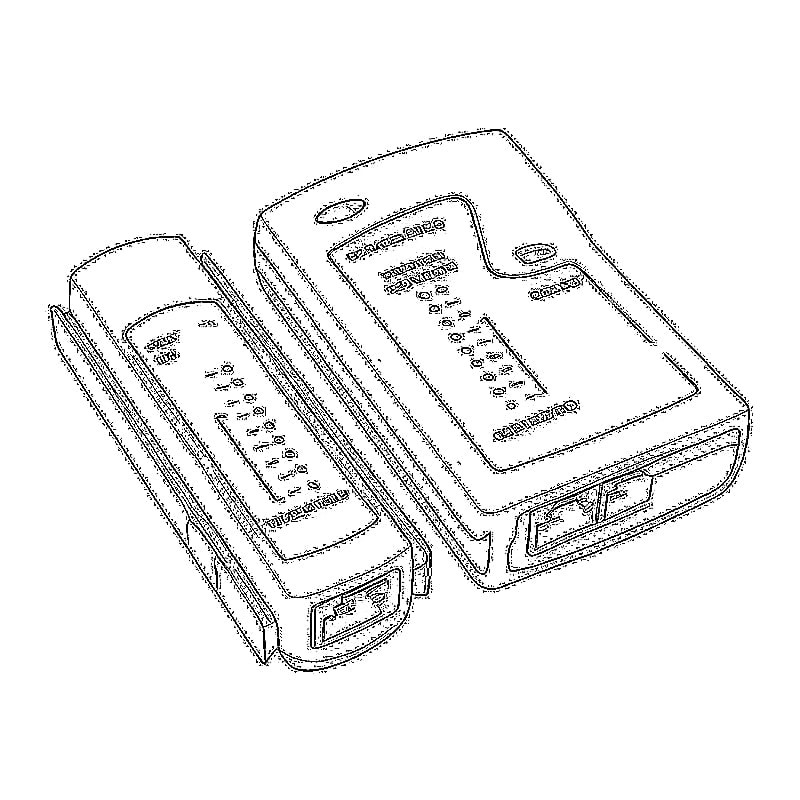
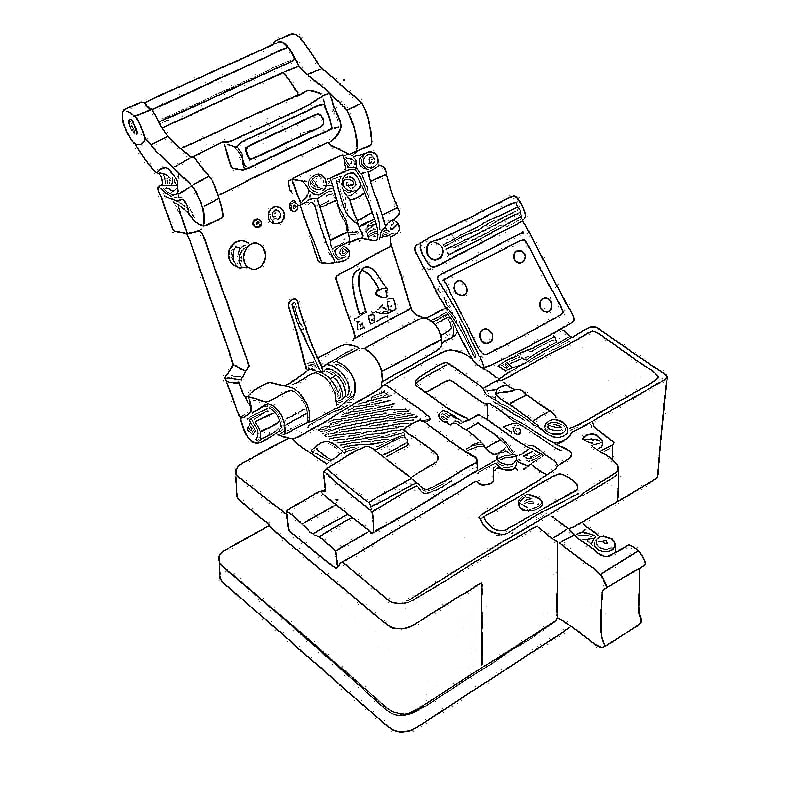
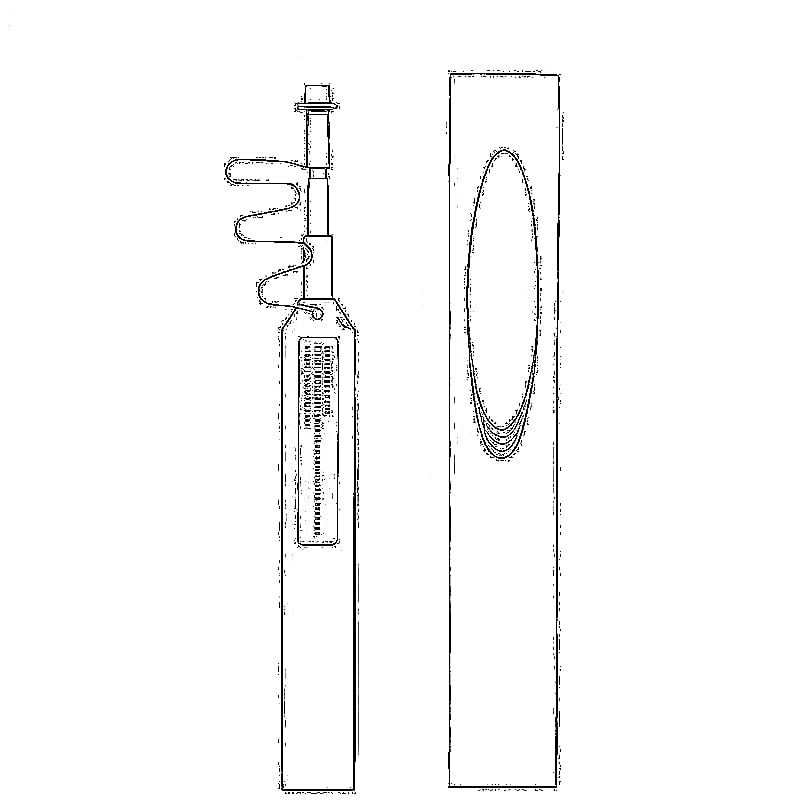
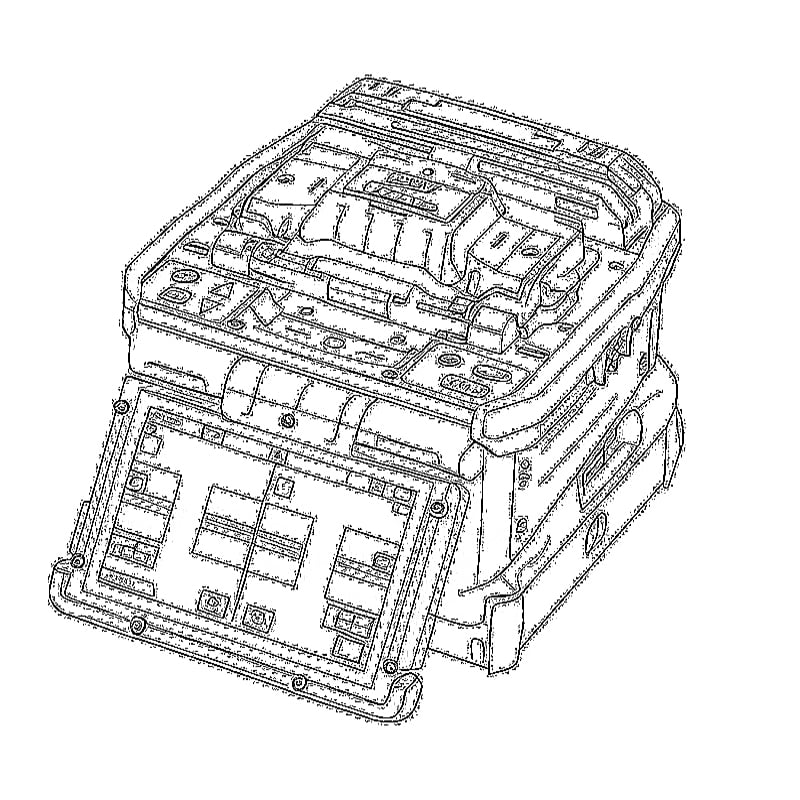
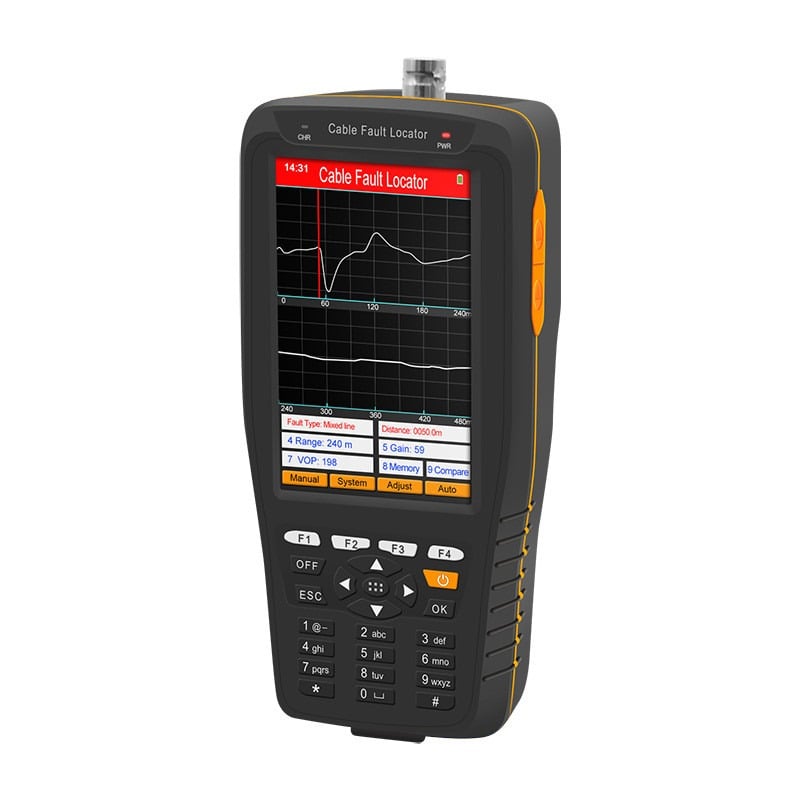
TDR and OTDR are both diagnostic testing tools that use time-domain reflectometry to find faults, measure length, and check signal loss in cables—they just work for different types of cables and use different signals. Below is a plain-language breakdown, no technical jargon required.
What Is TDR? (Time-Domain Reflectometer)
TDR stands for Time-Domain Reflectometer — it’s the electrical/copper cable version of a cable diagnostic tool.
Core Basics & How It Works
TDR sends fast electrical pulses down copper-based cables (like Ethernet, coaxial, telephone, or power cables). When the pulse hits a problem—such as a cut, short, loose connection, bend, or cable end—it bounces a signal back to the TDR device.
The tool measures how long the reflected pulse takes to return to calculate:
- Cable length (total distance of the cable run)
- Exact fault location (how far down the cable the damage/issue is)
- Signal loss/impedance issues (poor connections or damaged wiring)
Common Uses for TDR
Testing and troubleshooting copper/electrical cables in homes, offices, data centers, telecom networks, and industrial wiring systems. Think of it as a radar for copper cables — it “sees” hidden problems without digging or cutting into walls.
What Is OTDR? (Optical Time-Domain Reflectometer)
OTDR stands for Optical Time-Domain Reflectometer — it’s the fiber optic cable version of TDR, built specifically for glass fiber lines.
Core Basics & How It Works
OTDR works just like TDR, but instead of electrical pulses, it sends light pulses down fiber optic cables. As light travels through the fiber, tiny amounts scatter back (Rayleigh backscatter) or reflect off issues like breaks, splices, connectors, bends, or fiber damage.
The OTDR tracks the time and strength of the returning light to pinpoint:
- Fiber optic cable length
- Precise fault location (breaks, cracks, or bad splices)
- Light loss/attenuation (signal fade from worn fiber, poor connections, or bends)
- Quality of splices & connectors (critical for high-speed fiber networks)
Common Uses for OTDR
Testing, installing, and maintainingfiber optic cables — used for internet backbones, 5G networks, data centers, long-haul telecom, and high-speed broadband. It’s the radar for fiber optics, essential for keeping high-speed light-based internet and data links running smoothly.
Key Difference: TDR vs. OTDR (At a Glance)
| Feature | TDR (Time-Domain Reflectometer) | OTDR (Optical Time-Domain Reflectometer) |
|---|---|---|
| Signal Type | Electrical pulses | Light pulses |
| Cable Type | Copper/electrical cables (Ethernet, coax, phone) | Fiber optic cables (glass fiber, high-speed data) |
| Core Job | Diagnose copper cable faults & measure length | Diagnose fiber optic faults, loss & splice quality |
Quick Takeaway: TDR = for copper cables (electrical signals); OTDR = for fiber cables (light signals). Both are cable “radar” tools to find hidden issues fast!
TDR
 SFP/SFP+ (1G/2.5G/5G/10G)
 SFP-T (1G/2.5G/10G)
 AOC Cable 10G/25G/40G/100G
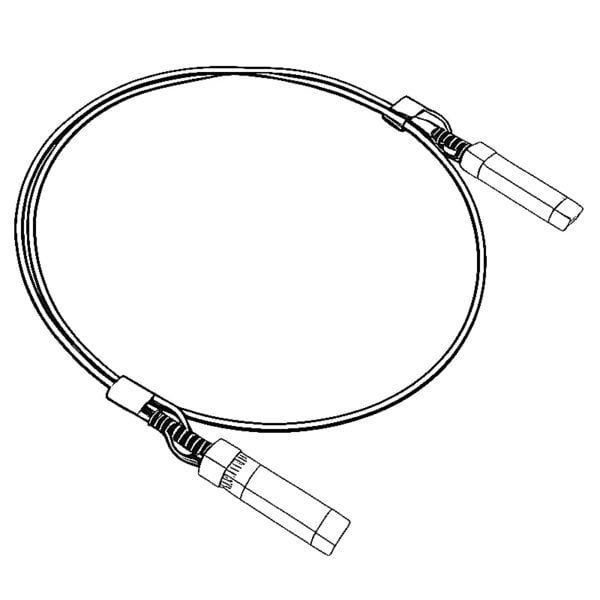 DAC Cable 10G/25G/40G/100G
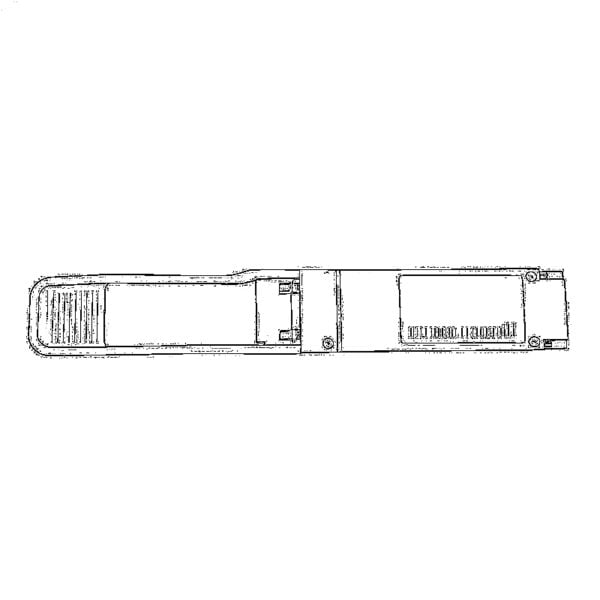 QSFP28 QSFP+ SFP28 100G/40G/25G
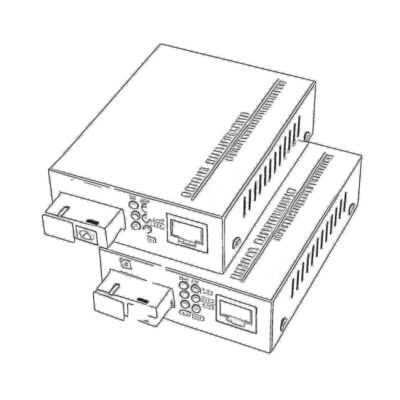 Copper to Fiber Media Converters
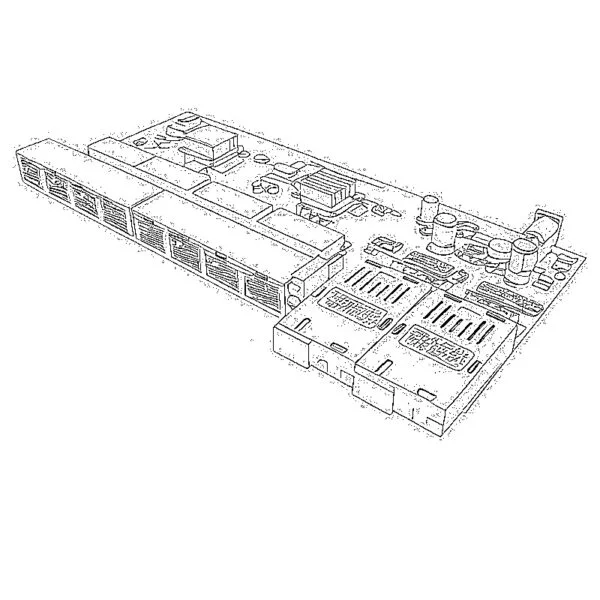 Fiber Media Converter PCBA Board
 OEO Fiber Media Converters
 Serial to Fiber Media Converters
 Video to Fiber Media Converters
 1000M GPON/EPON ONU
 10G EPON ONU/XG-PON/XGS-PON
 2.5G GPON/XPON STICK SFP ONU
 POE GPON/EPON ONU
 Wireless GPON/EPON ONT
 EPON OLT
 GPON OLT
 SFP PON Module
 Industrial Switches
 Managed Switches
 POE Switches
 Unmanaged Switches
 MTP/MPO Fiber Cables
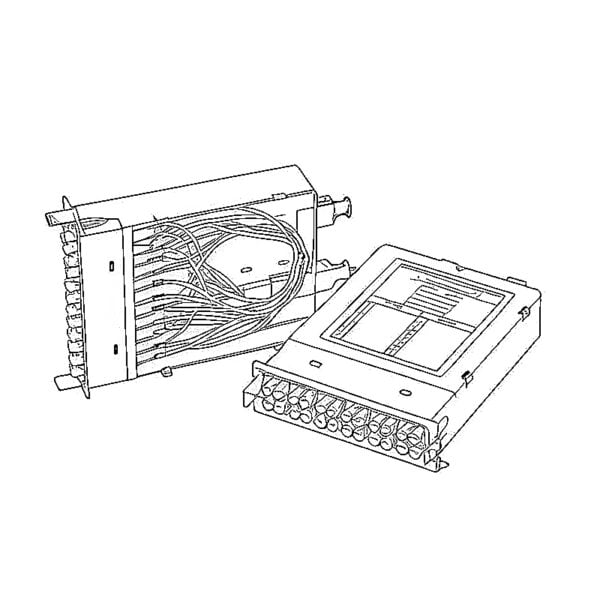 Fiber Optic Cassettes
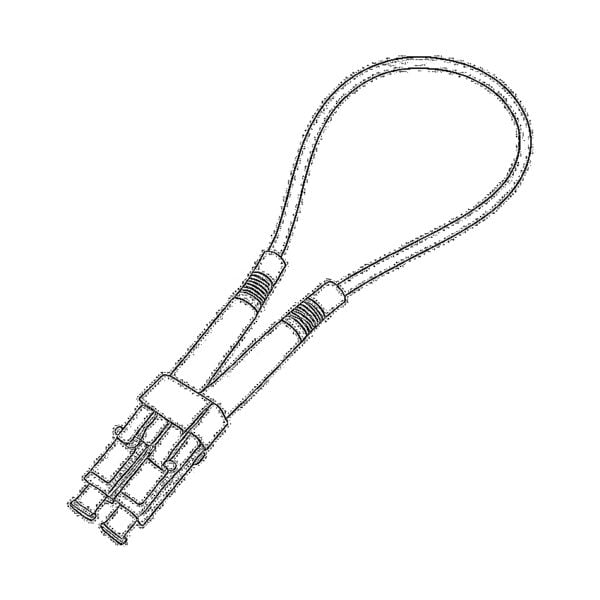 Fiber Optic Loopback
 Optic Cables and Fiber Pigtails
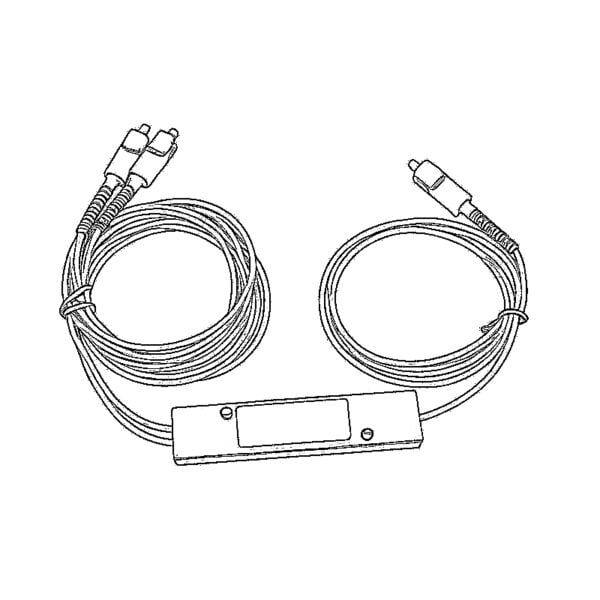 Optical Splitters and Splitter Box
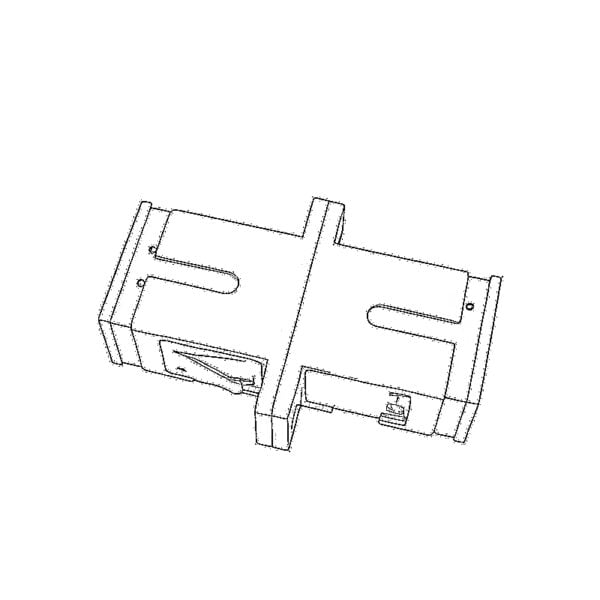 Fiber Flange Connectors
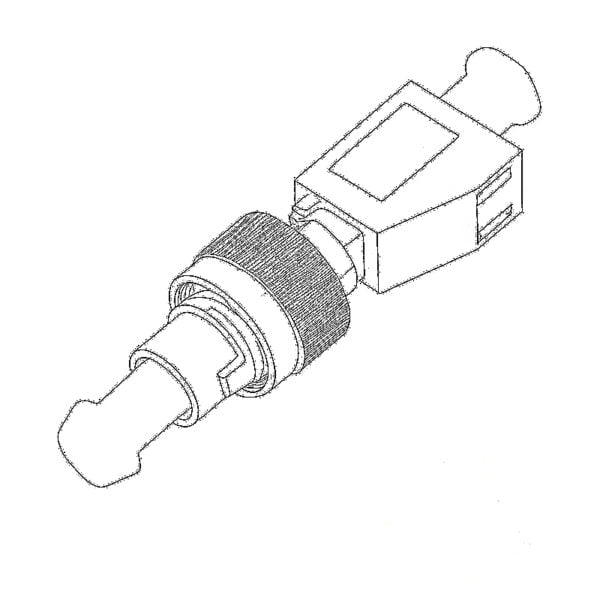 Optical Adapters
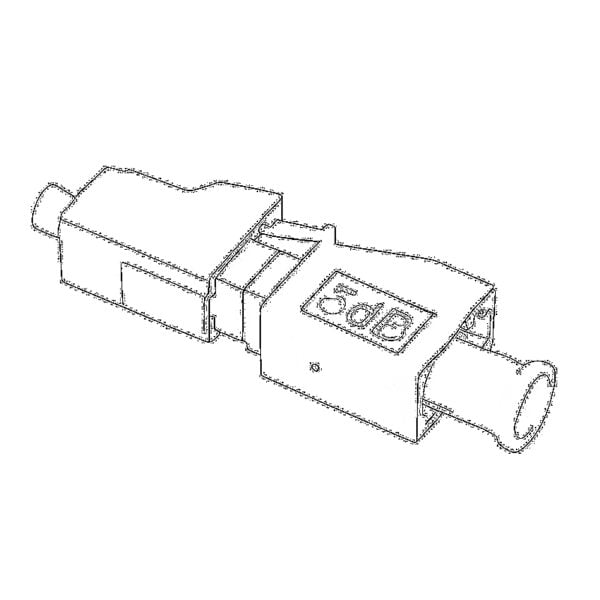 Optical Attenuator
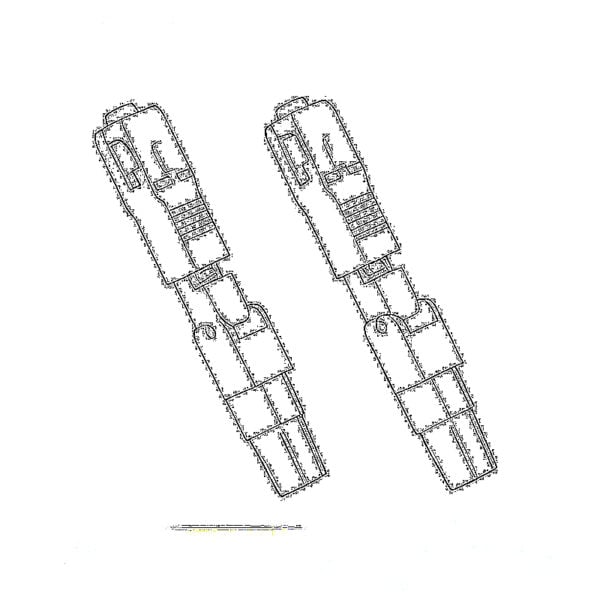 Quick Connector and Connector Panel
 CATV Amplifier
 CATV Optical Receiver
 Visual Fault Locator
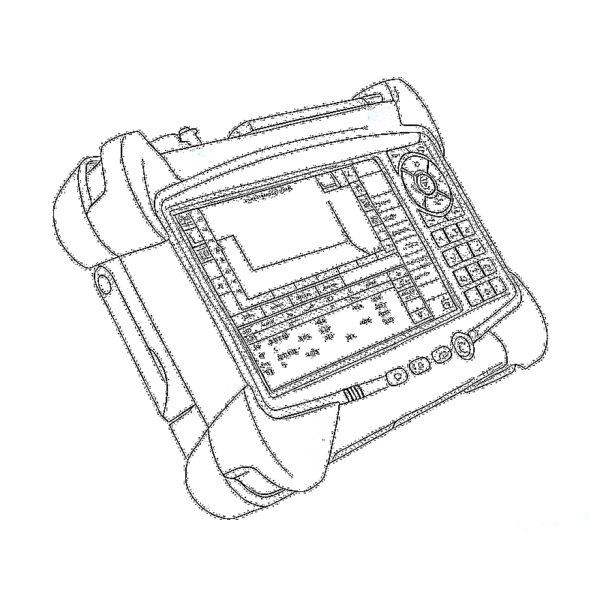 OTDR
OTDR Optical Power Meter
 Fiber Optic Identifier
 Fiber Optic Cleaners
 Fiber Cleavers & Fiber Strippers
 Copper Tools


