Customs duties are the responsibility of customers, but standard logistics support DDP to most countries, duty-free such as US, DE, UK, CA, FR, IT, PL, AT, JP…

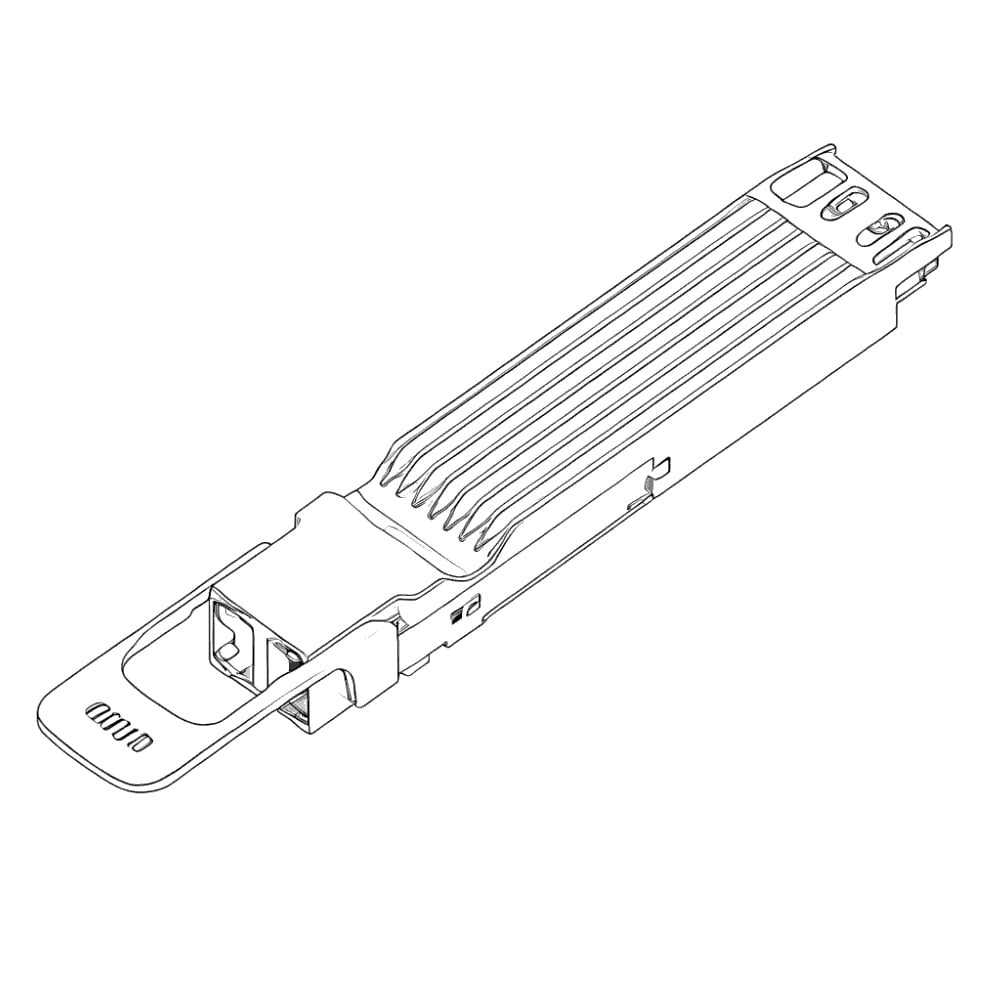
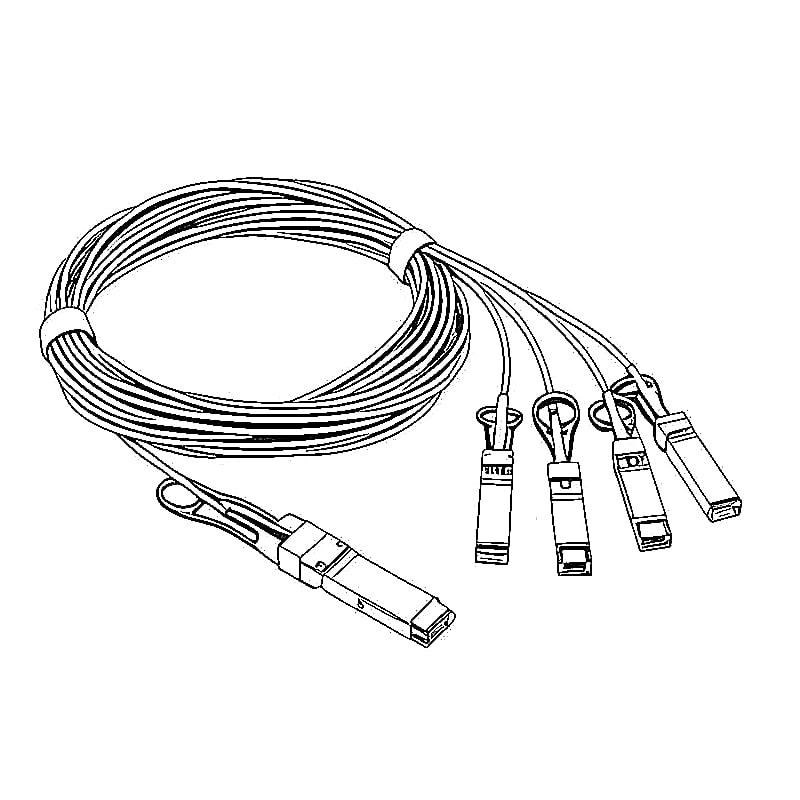
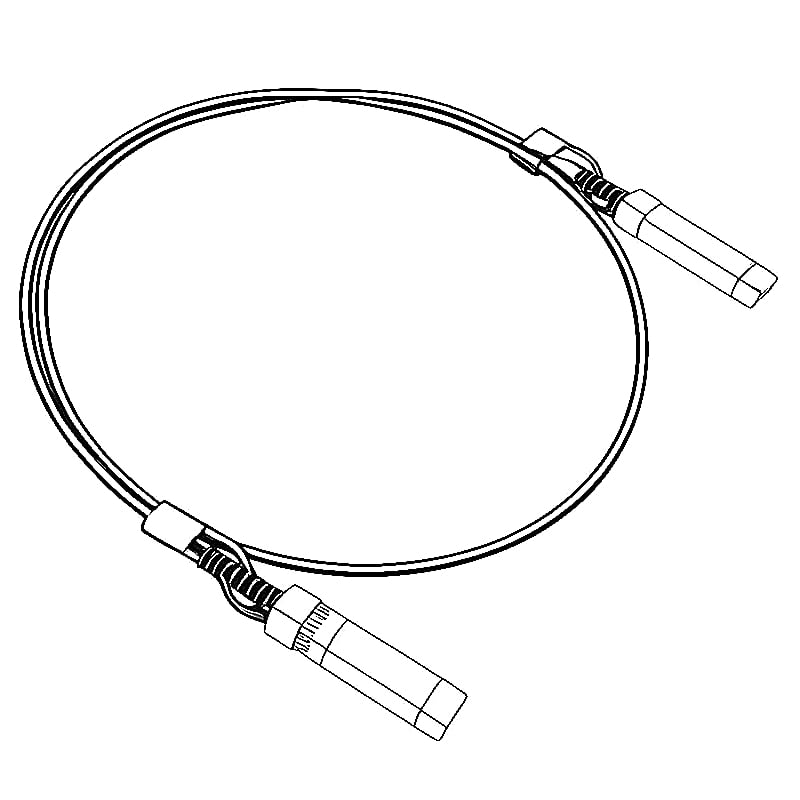
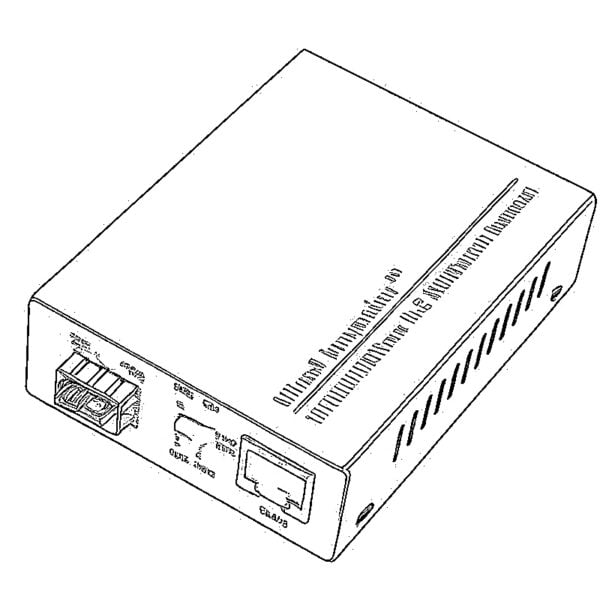
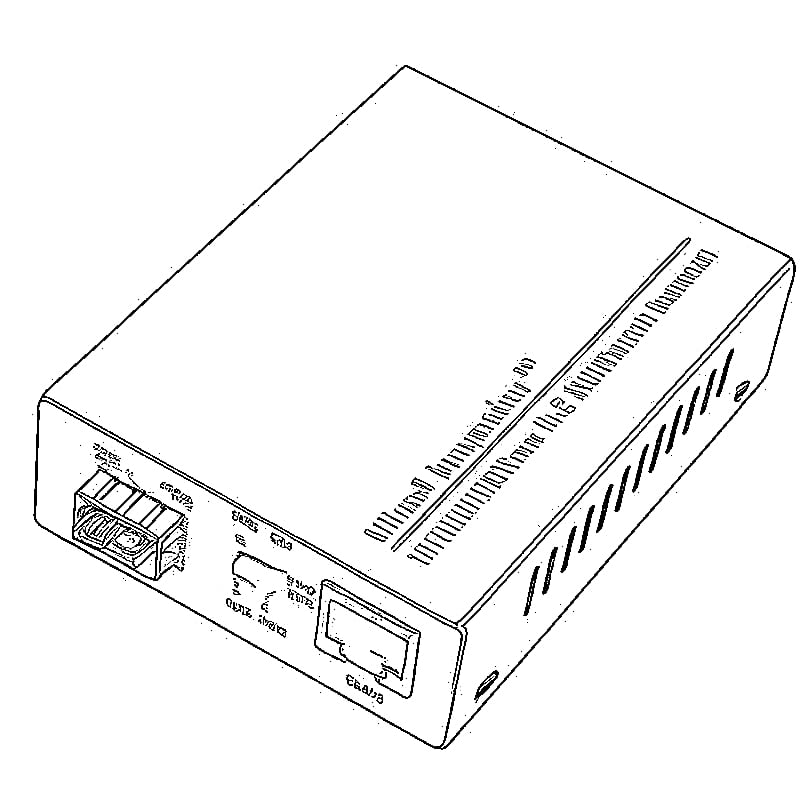

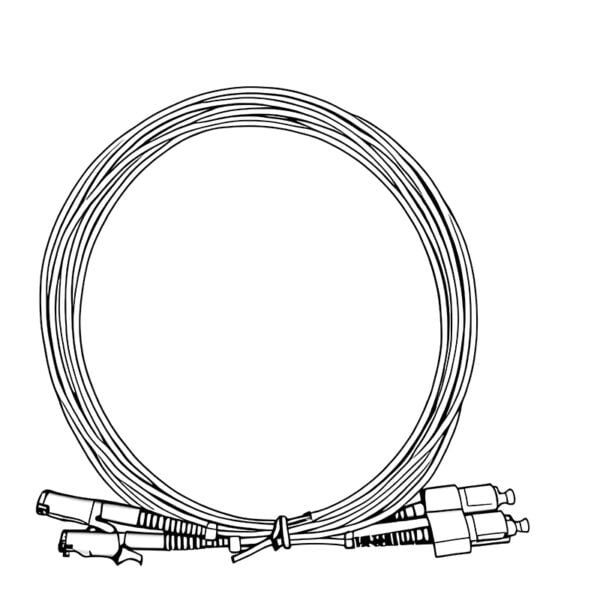
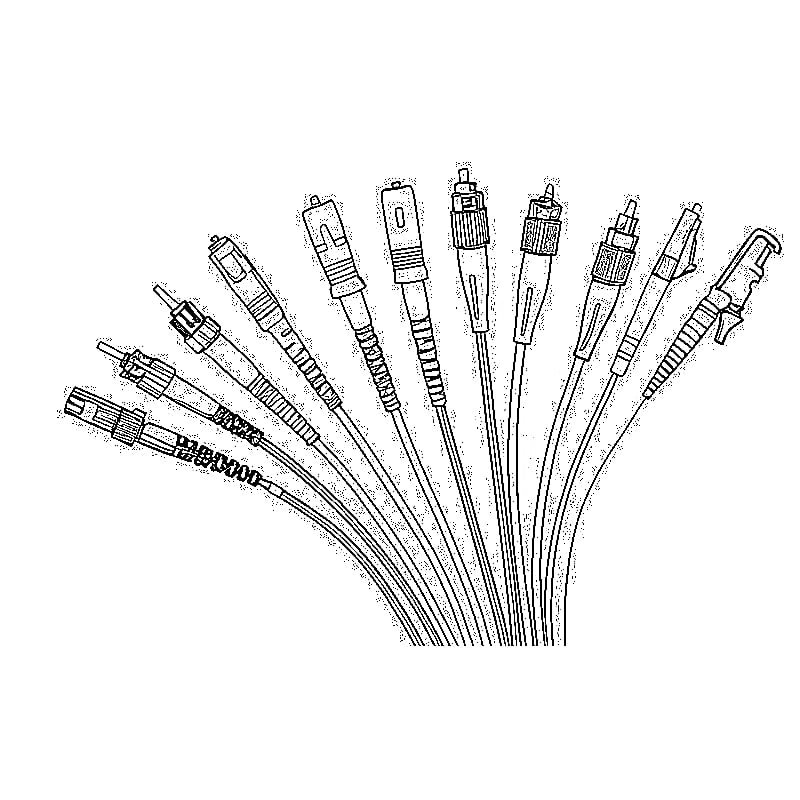
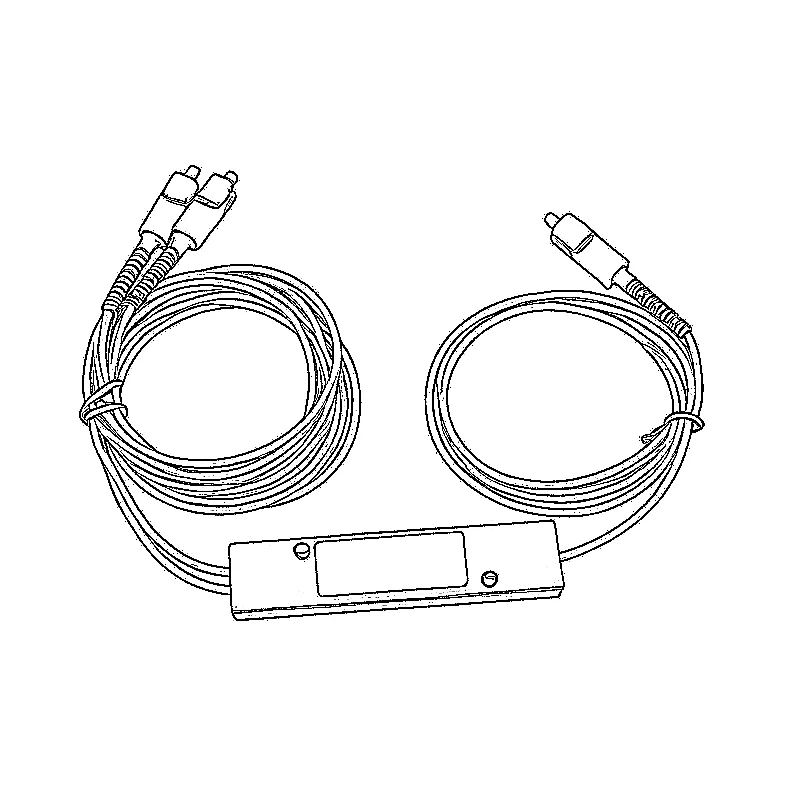
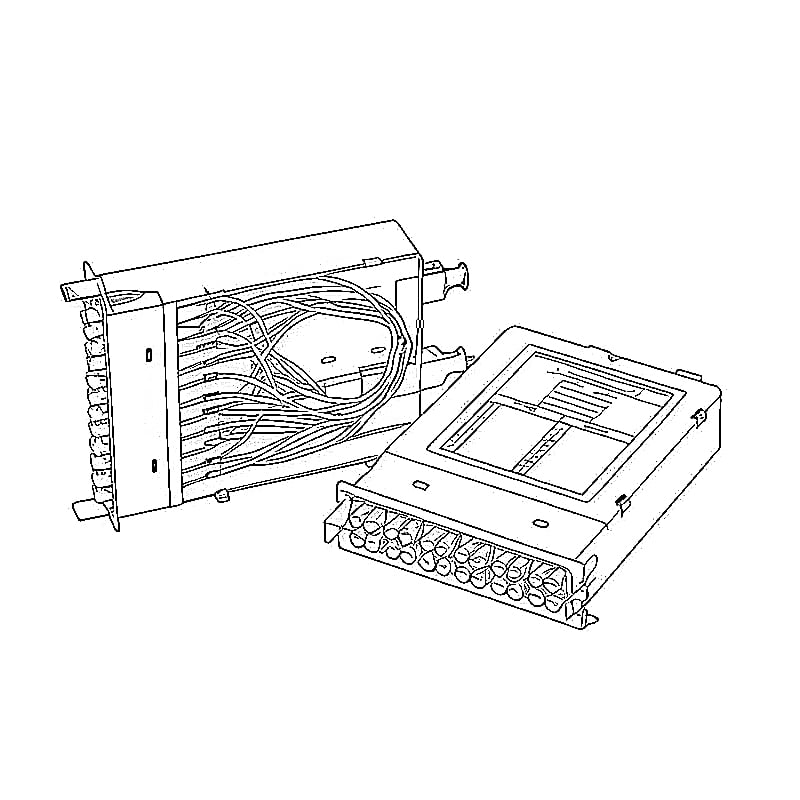
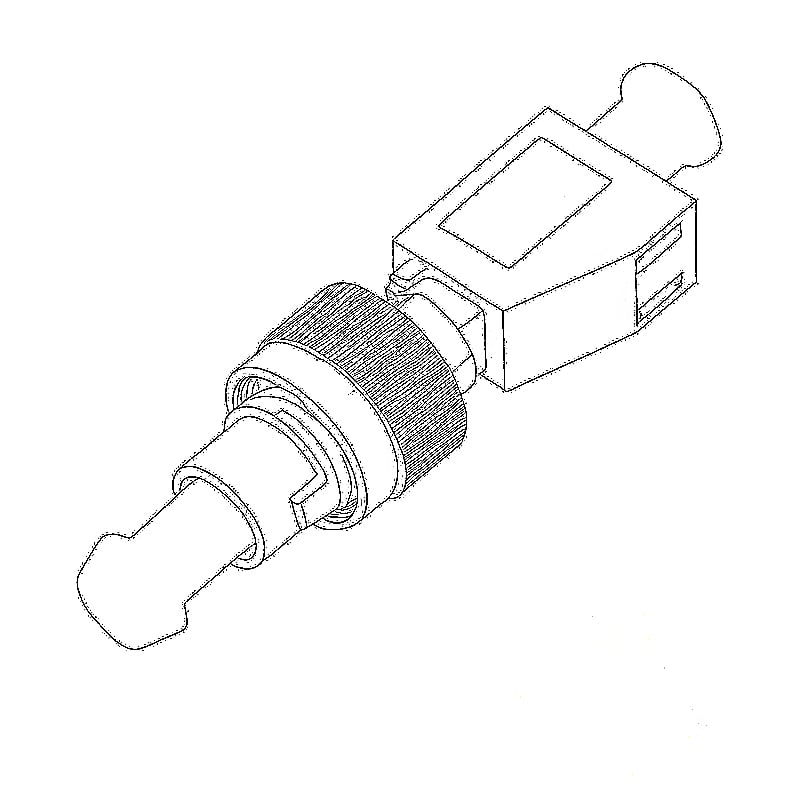
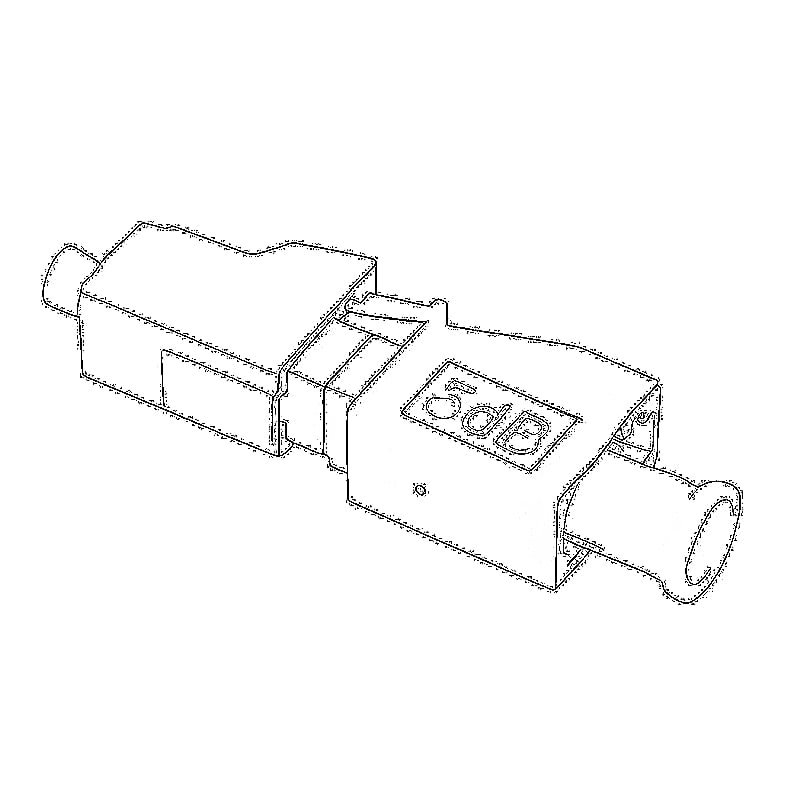


Modern fiber optic networks rely heavily on the right connector type. Whether you are deploying a simple 1G enterprise network or building a 100G data center infrastructure, choosing the wrong fiber connector can lead to compatibility issues, signal loss, expensive downtime, and unnecessary deployment costs.
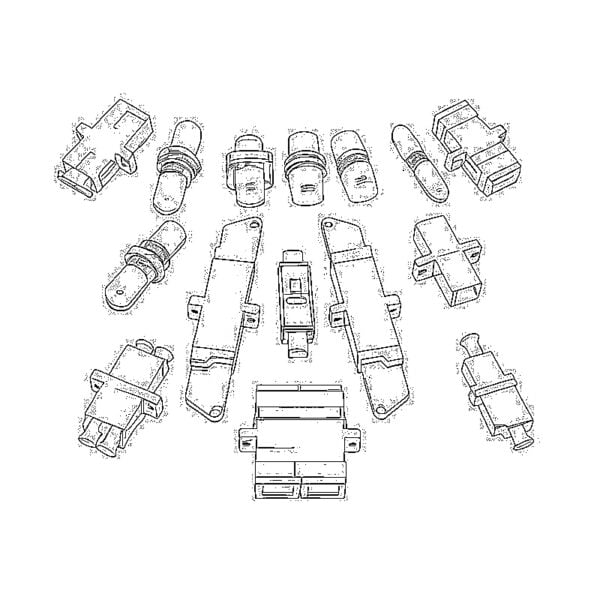
Among the most common connector types used today are LC, SC, and MPO/MTP connectors. Each serves different purposes and is designed for different transmission speeds and network architectures.
In this guide, we will explain the differences between LC, SC, and MPO connectors, common mistakes buyers make, and how to choose the right optical transceiver for your network.
What Is an LC Connector?
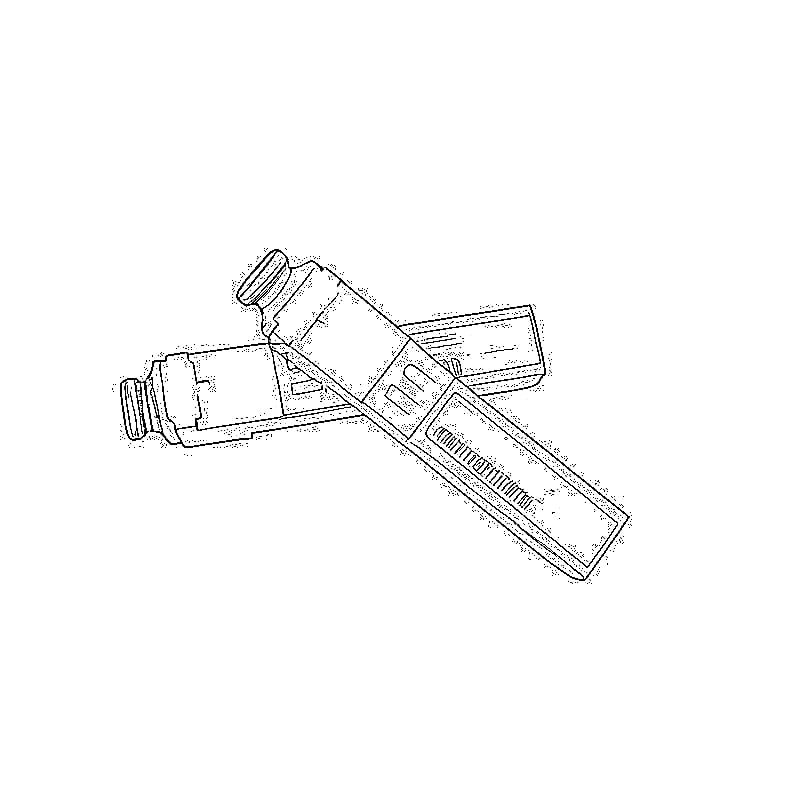
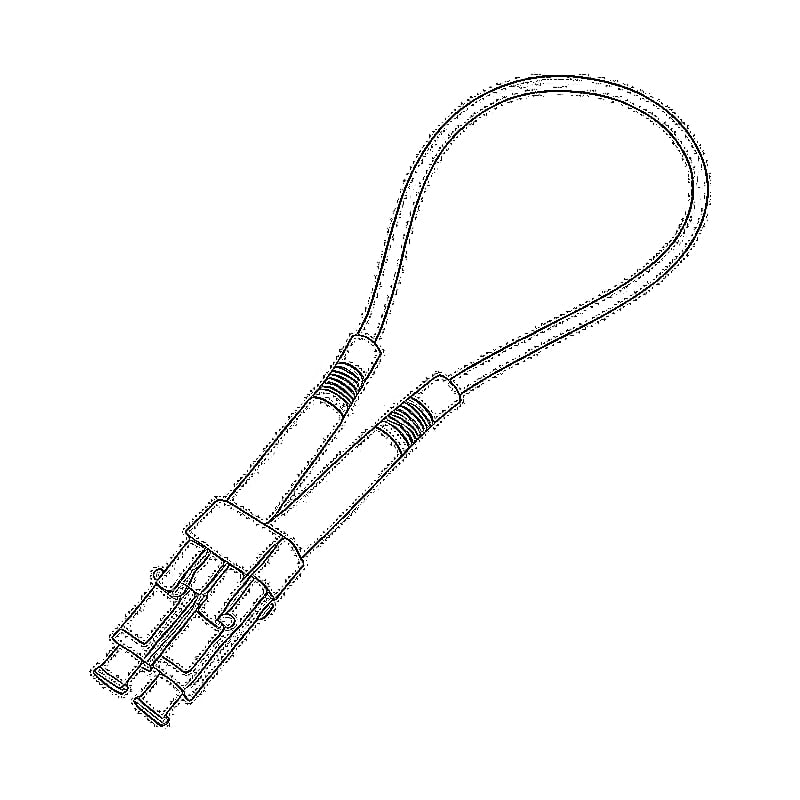
The LC (Lucent Connector) is one of the most widely used fiber optic connectors in modern Ethernet networks. It features a compact small-form-factor design, making it ideal for high-density switches and servers.
LC connectors are commonly used with:
- SFP transceivers
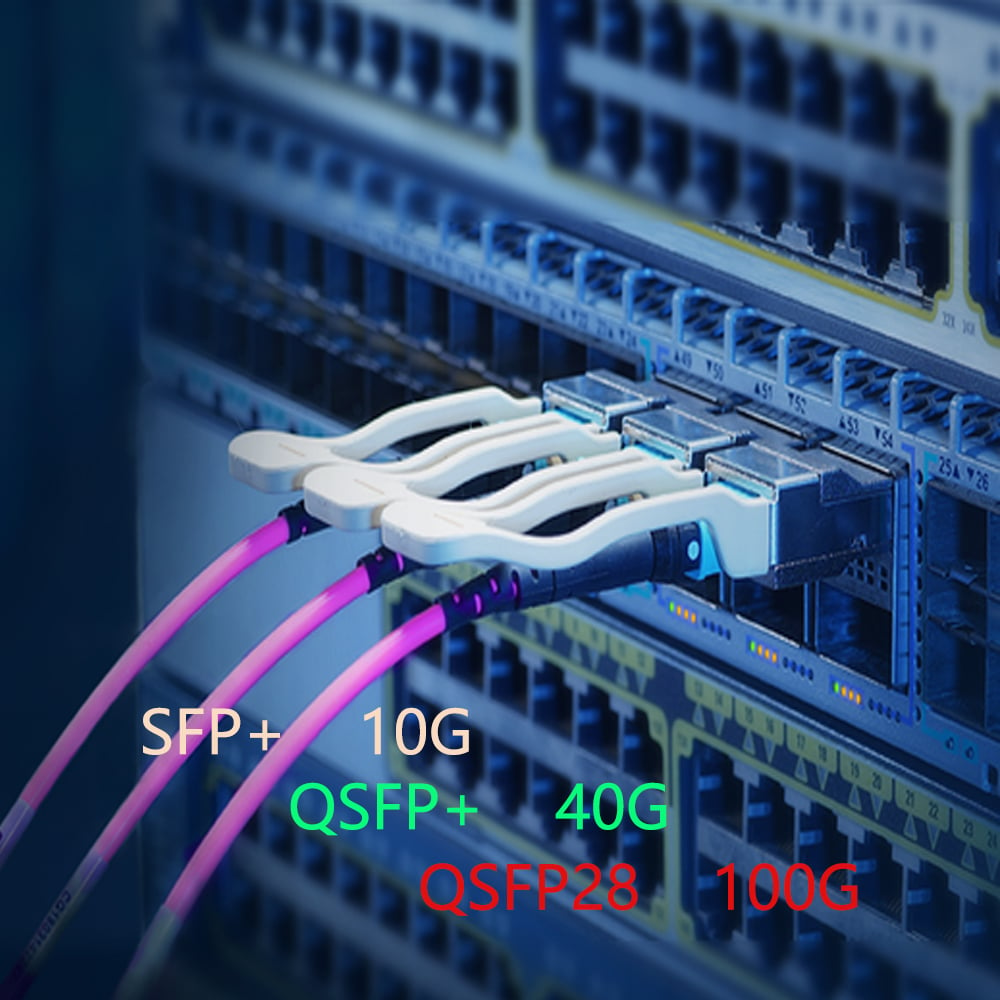
- SFP+ 10G modules
- SFP28 25G optics
- Duplex fiber patch cords
Most 1G, 10G, and 25G optical modules use duplex LC interfaces.
Typical Applications
- Enterprise networks
- Data centers
- Server rooms
- Telecom equipment
- Fiber switches
Advantages of LC Connectors
- Compact size for dense deployments
- Easy cable management
- Low insertion loss
- High compatibility with modern switches
Common LC Optical Modules
- 1G SFP SX/LX
- 10G SFP+ SR/LR
- 25G SFP28 SR/LR
For short-range multimode transmission, LC duplex connectors remain the industry standard.
What Is an SC Connector?
SC (Subscriber Connector) connectors were extremely popular in earlier fiber optic deployments and are still widely used in telecom and FTTH systems today.
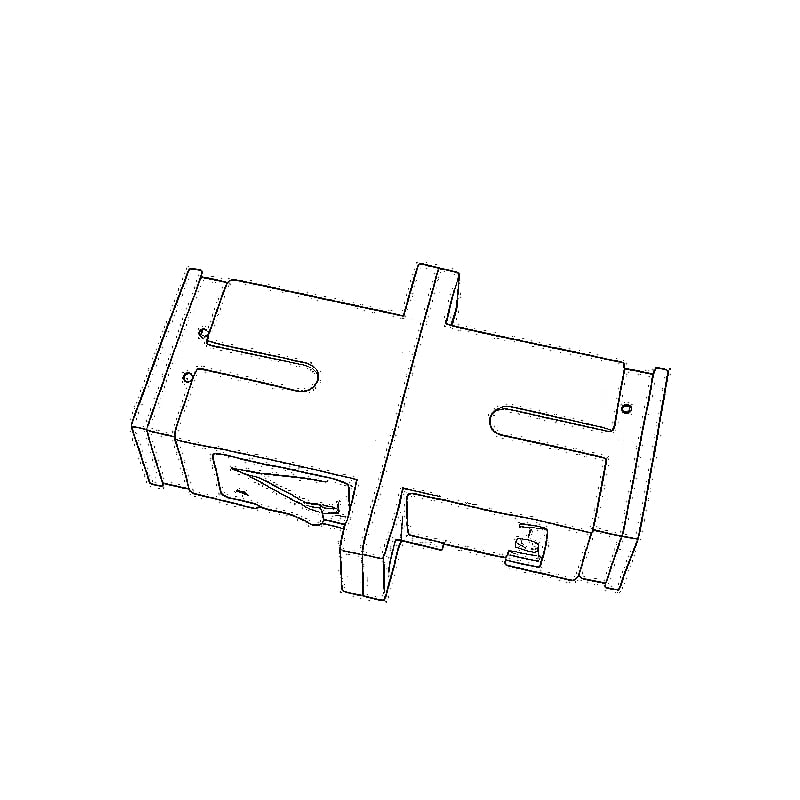
Compared with LC connectors, SC connectors are larger and easier to plug and unplug manually.
SC connectors are commonly found in:
- GPON/EPON equipment
- Fiber media converters
- Legacy telecom systems
- CATV infrastructure
Advantages of SC Connectors
- Durable push-pull design
- Easy field installation
- Stable connection performance
Limitations
As data center density continues increasing, SC connectors are gradually being replaced by LC connectors because they occupy more panel space.
Today, SC connectors are more common in telecom access networks than in high-density cloud data centers.
Why MPO/MTP Connectors Are Essential for 40G and 100G Networks
As network speeds increased beyond 40G, traditional duplex LC connections became insufficient for parallel optical transmission.
This is where MPO/MTP connectors became critical.
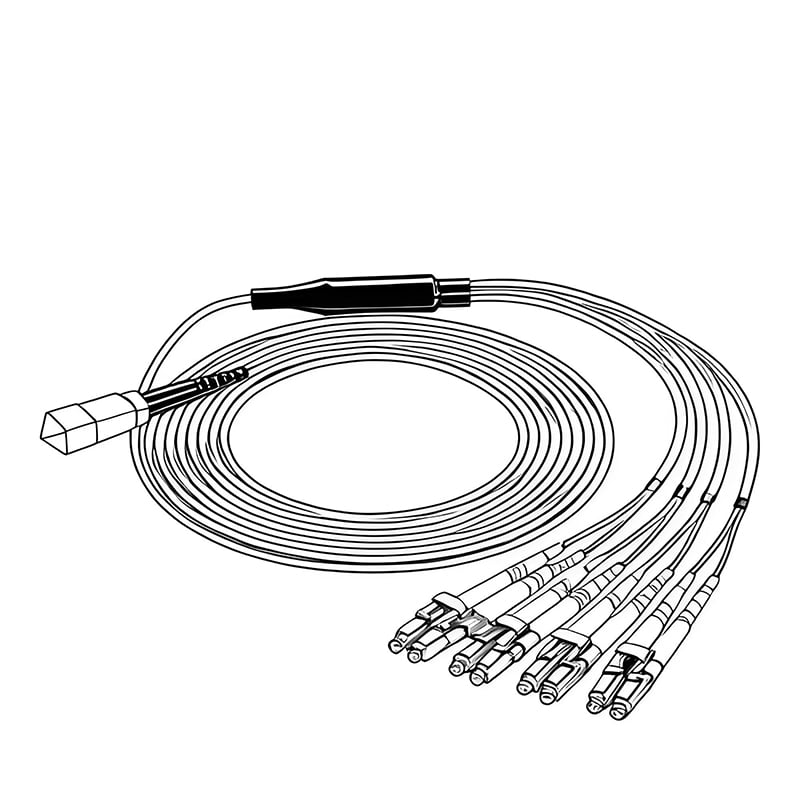
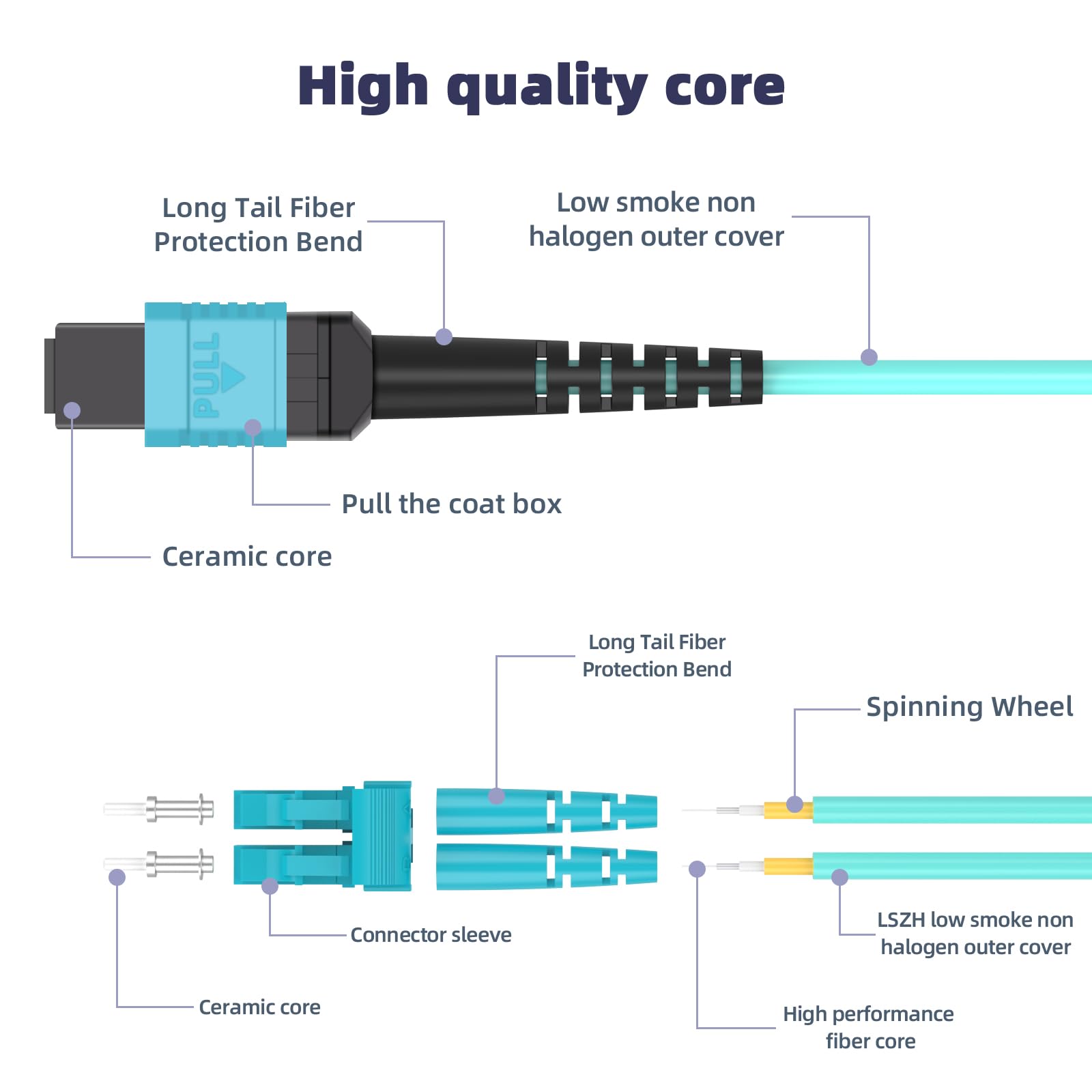
MPO (Multi-Fiber Push-On) connectors allow multiple fibers to transmit simultaneously inside a single connector.
Typical MPO Fiber Counts
- MPO-8
- MPO-12
- MPO-16
- MPO-24
Most 40G and 100G SR4 optical modules use MPO-12 connectors.
Common MPO Optical Modules
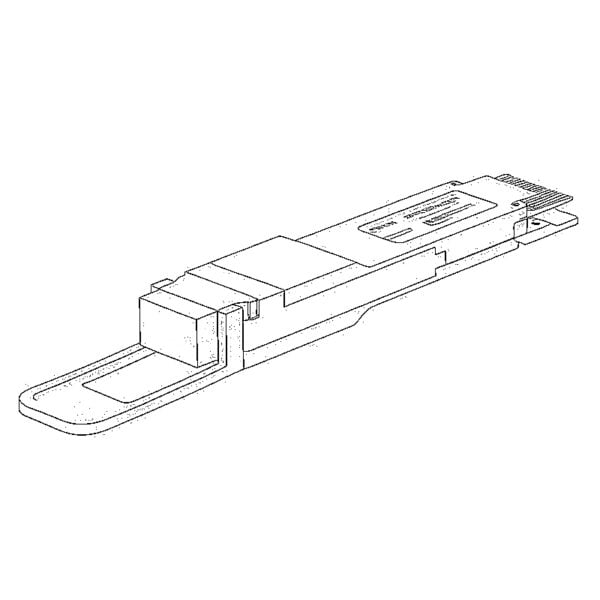
- QSFP+ 40G SR4
- QSFP28 100G SR4
- QSFP-DD 400G SR8
- OSFP 800G modules
Why MPO Is Important
High-speed data centers require:
- Higher bandwidth
- Lower latency
- Better cable management
- AI cluster scalability
MPO cabling significantly reduces cable congestion and simplifies high-density deployments.
This is especially important in AI computing clusters and hyperscale cloud data centers.
LC vs SC vs MPO: Main Differences
| Connector Type | Typical Speed | Fiber Type | Common Usage |
|---|---|---|---|
| LC | 1G / 10G / 25G | Duplex Fiber | Enterprise & Data Centers |
| SC | 1G / GPON | Duplex Fiber | Telecom & FTTH |
| MPO/MTP | 40G / 100G / 400G / 800G | Multi-Fiber | High-Speed Data Centers |
In modern networking environments:
- LC dominates below 25G
- MPO dominates above 40G
- SC mainly remains in telecom access networks
Common Fiber Connector Mistakes to Avoid
Choosing the wrong connector is one of the most common reasons optical links fail.
Here are the most frequent deployment mistakes.
1. Mixing Single-Mode and Multimode Fiber
Using multimode optics on single-mode fiber can cause severe signal issues and unstable transmission.
Always verify:
- OM3/OM4 for multimode
- OS2 for single-mode
before purchasing modules and patch cords.
2. Incorrect MPO Polarity
MPO polarity errors are extremely common in 40G and 100G deployments.
Wrong polarity can completely prevent links from coming online.
Always confirm:
- Type A
- Type B
- Type C
before ordering MPO cables.
3. Confusing UPC and APC Connectors
UPC and APC connectors are physically incompatible in many scenarios.
APC connectors usually feature an 8-degree angled polish and are common in FTTH and telecom environments.
Mixing APC and UPC connectors can cause:
- High return loss
- Poor optical performance
- Link instability
4. Buying the Wrong Interface Type
Many buyers accidentally purchase:
- LC modules for MPO systems
- MPO optics for duplex fiber links
For example:
- 100G SR4 requires MPO cabling
- 100G LR4 usually uses LC duplex
Understanding the connector type before deployment is critical.
How to Choose the Right Fiber Connector
Choose LC If:
- Your network is below 25G
- You use standard enterprise switches
- You want simple duplex fiber deployment
Choose SC If:
- You work with GPON or telecom equipment
- You maintain legacy fiber systems
- Your devices already use SC interfaces
Choose MPO/MTP If:
- You deploy 40G/100G/400G networks
- You build AI clusters
- You need ultra-high-density cabling
- You operate hyperscale data centers
Recommended Optical Modules for Different Scenarios
For 10G Networks
Recommended:
- 10G SFP+ SR LC
- 10G SFP+ LR LC
Suitable for enterprise switches and server rooms.
For 25G Server Connectivity
Recommended:
- 25G SFP28 SR
- 25G SFP28 LR
Widely used in cloud computing infrastructure.
For 100G Data Center Deployment
Recommended:
- 100G QSFP28 SR4 MPO
- 100G QSFP28 LR4 LC
Choose SR4 for short-range multimode transmission and LR4 for long-range single-mode links.
Final Thoughts
Choosing the correct fiber connector is just as important as selecting the right optical module.
LC connectors remain the standard for most 1G to 25G applications, while MPO/MTP connectors have become essential for 40G, 100G, and AI-driven data center networks.
Before purchasing fiber optics equipment, always verify:
- Connector type
- Fiber mode
- Transmission distance
- Switch compatibility
- MPO polarity
A properly planned fiber infrastructure can significantly improve network stability, scalability, and long-term operational efficiency.
As modern data centers continue evolving toward 400G and 800G architectures, MPO and high-density optical connectivity will become even more important.
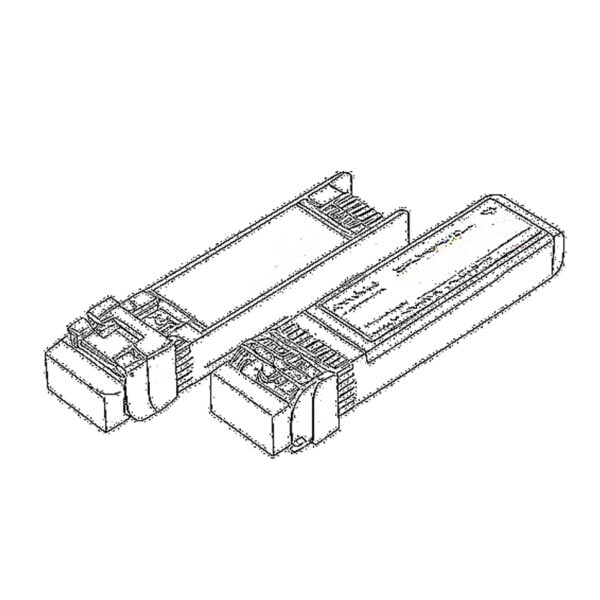 SFP/SFP+ (1G/2.5G/5G/10G)
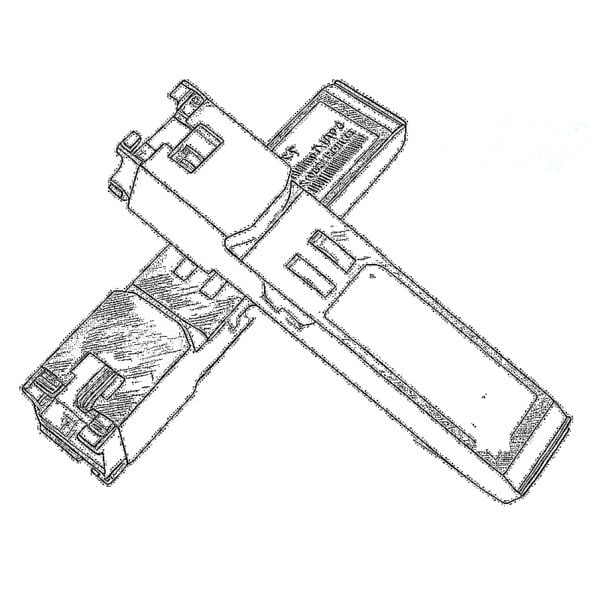 SFP-T (1G/2.5G/10G)
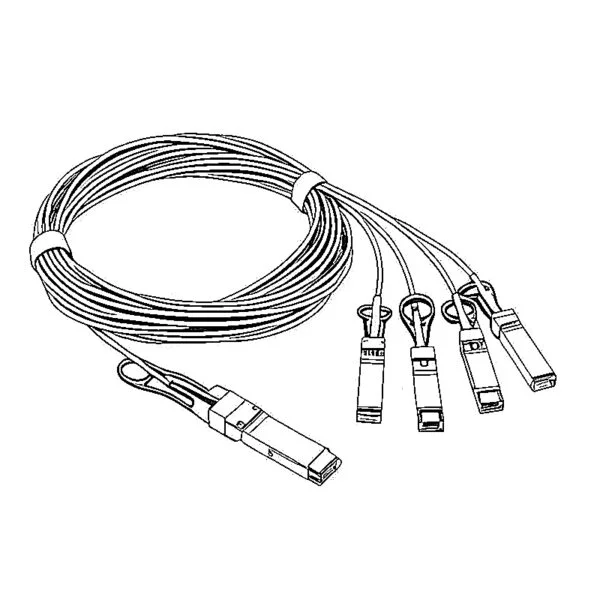 AOC Cable 10G/25G/40G/100G
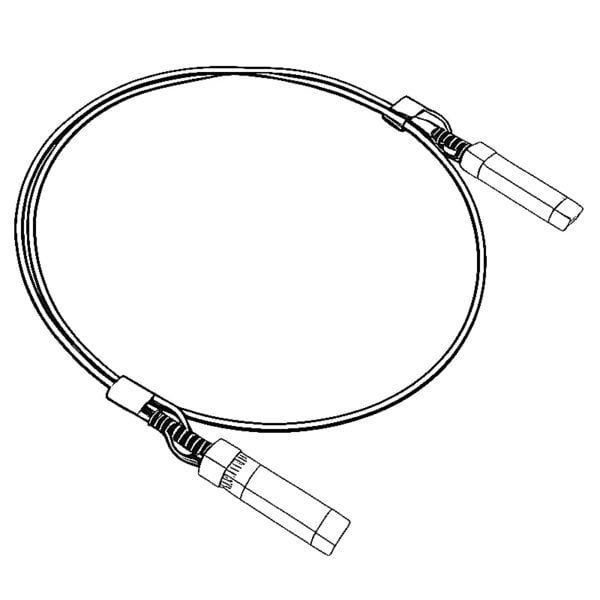 DAC Cable 10G/25G/40G/100G
 QSFP28 QSFP+ SFP28 100G/40G/25G
 Copper to Fiber Media Converters
 Fiber Media Converter PCBA Board
 OEO Fiber Media Converters
 Serial to Fiber Media Converters
 Video to Fiber Media Converters
 1000M GPON/EPON ONU
 10G EPON ONU/XG-PON/XGS-PON
 2.5G GPON/XPON STICK SFP ONU
 POE GPON/EPON ONU
 Wireless GPON/EPON ONT
 EPON OLT
 GPON OLT
 SFP PON Module
 Industrial Switches
 Managed Switches
 POE Switches
 Unmanaged Switches
 MTP/MPO Fiber Cables
 Fiber Optic Cassettes
 Fiber Optic Loopback
 Optic Cables and Fiber Pigtails
 Optical Splitters and Splitter Box
 Fiber Flange Connectors
 Optical Adapters
 Optical Attenuator
 Quick Connector and Connector Panel
 CATV Amplifier
 CATV Optical Receiver
 Visual Fault Locator
 OTDR
OTDR Optical Power Meter
 Fiber Optic Identifier
 Fiber Optic Cleaners
 Fiber Cleavers & Fiber Strippers
 Copper Tools


