BLACK FRIDAY SALE: 10% OFF Orders $100+ | Customs duties are the responsibility of customers, but standard logistics support DDP to most countries, duty-free such as US, DE, UK, CA, FR, IT, PL, AT, JP…

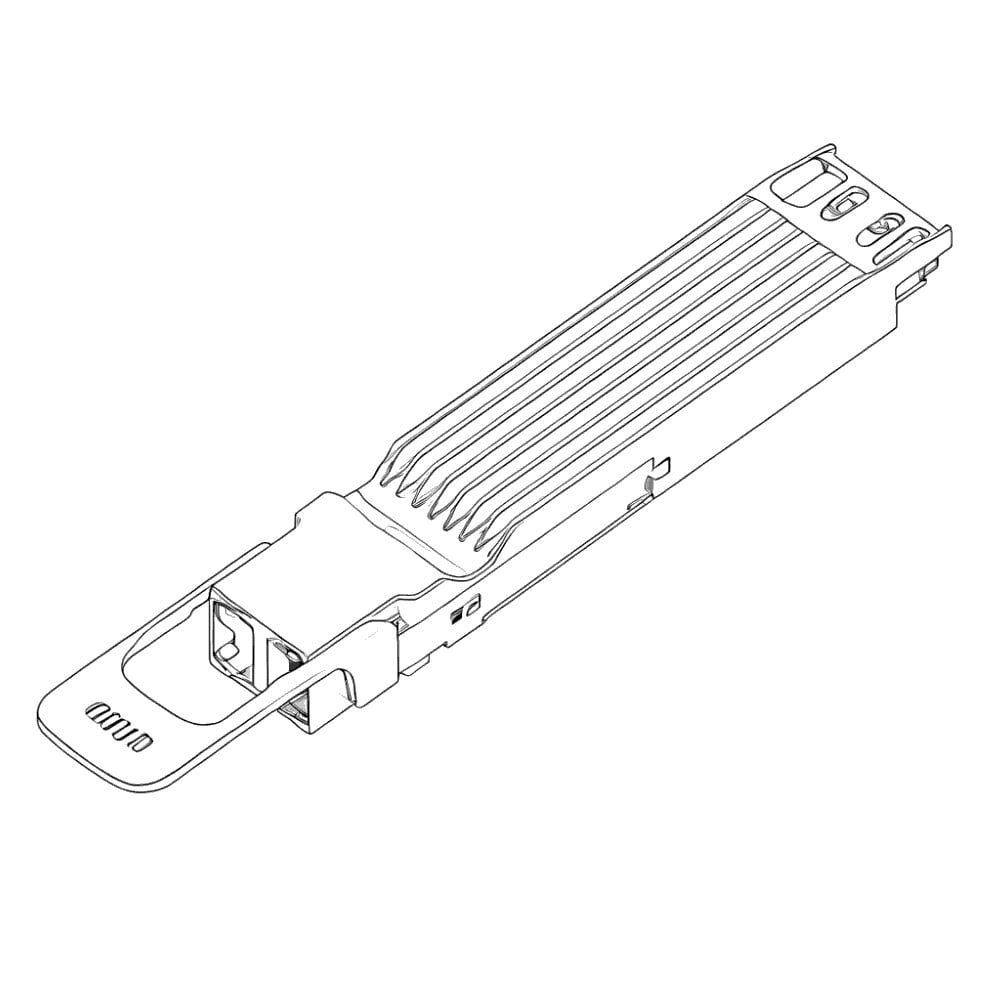


Build Reliable 10G Links from 10km to 100km Over One Fiber
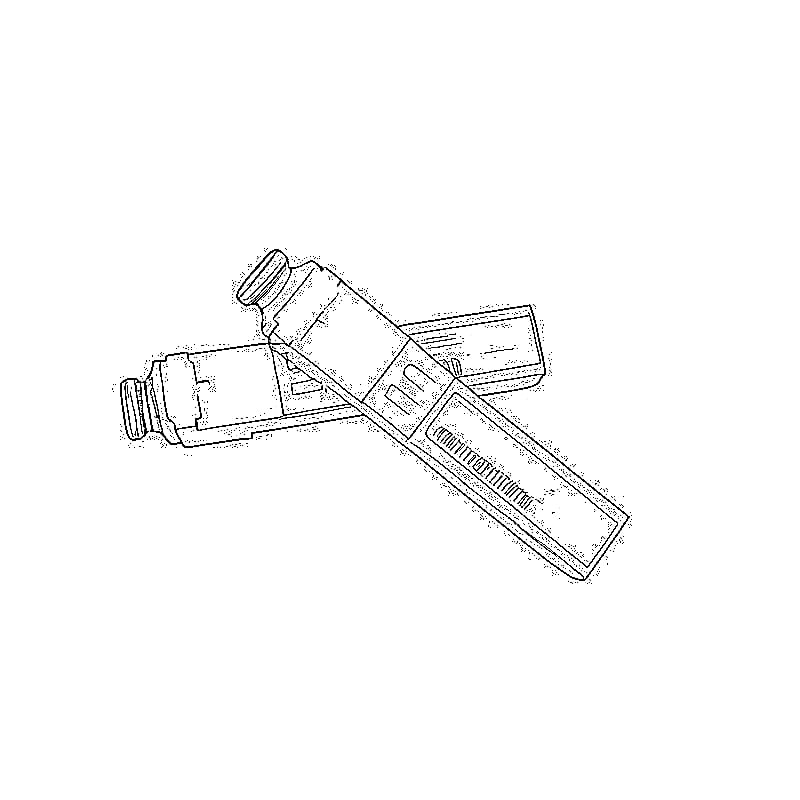
Deploy 10 Gigabit Ethernet over a single strand of single mode fiber with matched 10G BiDi SFP+ transceiver pairs.
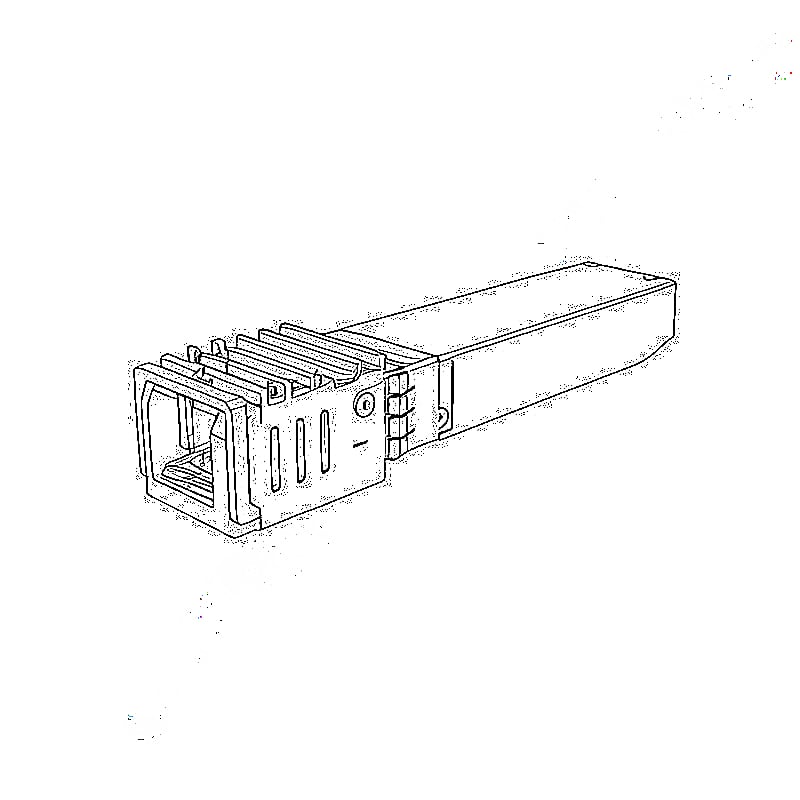
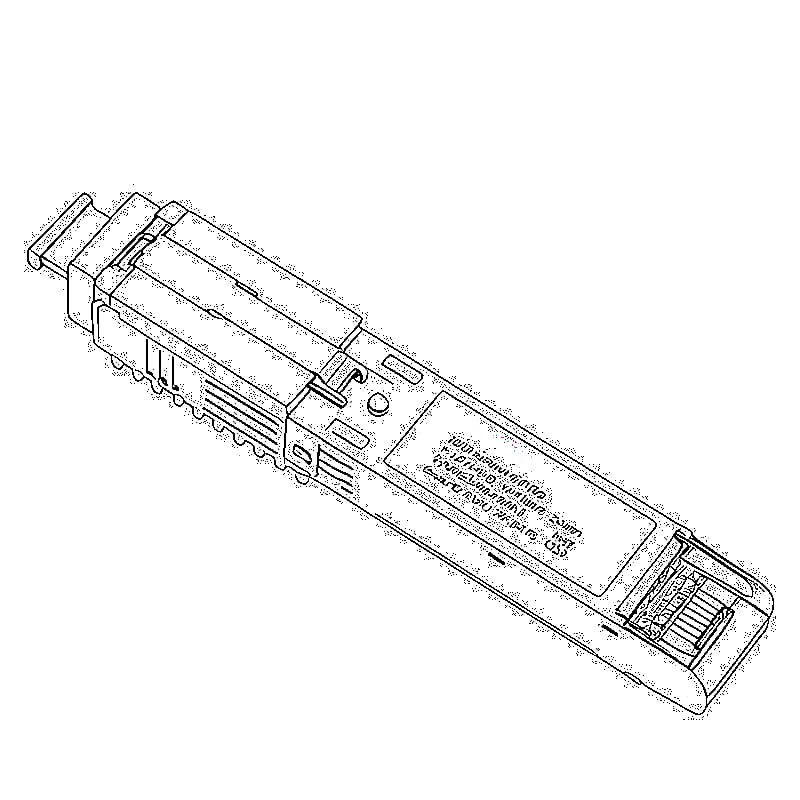
LuLeey LL-SFP-10G-BX series provides single-fiber 10G connectivity for enterprise networks, campus links, ISP access networks, Metro Ethernet, remote sites and long-distance fiber infrastructure.
Choose from 10km, 20km, 40km, 60km, 80km and 100km link options according to your actual fiber distance, optical loss and network equipment.
One Fiber. Two Directions. Up to 100km.
Explore 10G BiDi SFP+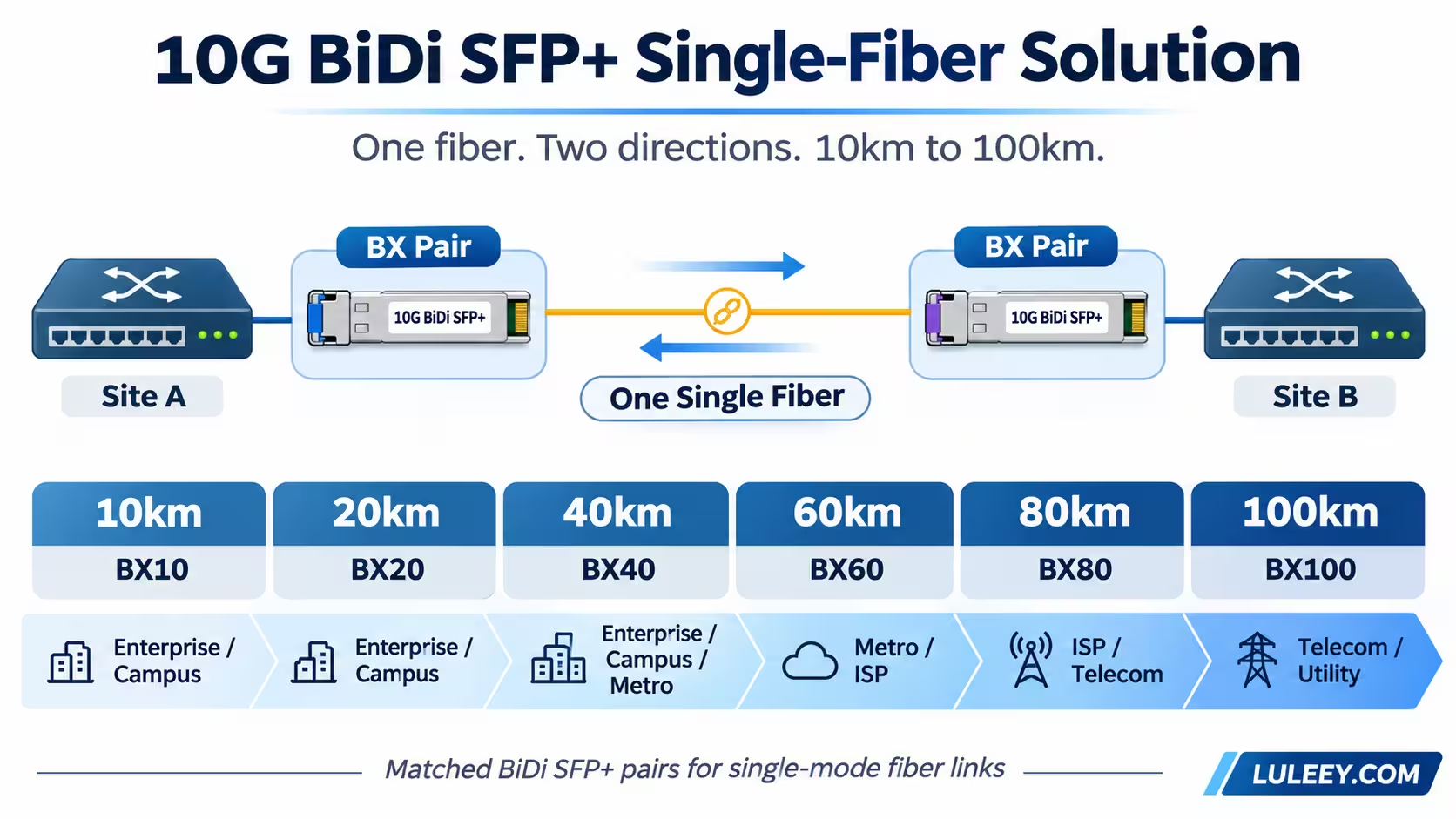
What Is a 10G BiDi SFP+ Link?
A conventional 10G optical connection normally uses two fibers: one fiber for transmitting and another fiber for receiving.
A 10G BiDi SFP+ link transmits and receives data over the same single-mode fiber by using different optical wavelengths in each direction.
Two matched modules are installed at opposite ends of the fiber link.
Site A
10G Switch / Router
↓
BiDi SFP+ Module A
↓
Single SMF Fiber
↓
BiDi SFP+ Module B
↓
10G Switch / Router
Site B
Because both directions share one fiber strand, BiDi technology can reduce fiber consumption and make better use of existing fiber infrastructure.
This is especially useful where spare fiber capacity is limited or where deploying additional fiber would be expensive.
Choose the Right 10G BiDi SFP+ Pair
| Model | Target | Maximum Reach | Fiber | Interface | DDM | Recommended Application |
|---|---|---|---|---|---|---|
| LL-SFP-10G-BX10 | View BX10 Pair | 10km | Single Mode | LC Simplex | Yes | Buildings, campus and enterprise access |
| LL-SFP-10G-BX20 | View BX20 Pair | 20km | Single Mode | LC Simplex | Yes | Enterprise backbone and regional access |
| LL-SFP-10G-BX40 | View BX40 Pair | 40km | Single Mode | LC Simplex | Yes | Campus backbone, Metro access and remote facilities |
| LL-SFP-10G-BX60 | View BX60 Pair | 60km | Single Mode | LC Simplex | Yes | ISP aggregation and regional fiber networks |
| LL-SFP-10G-BX80 | View BX80 Pair | 80km | Single Mode | LC Simplex | Yes | Metro Ethernet, ISP POP and remote infrastructure |
| LL-SFP-10G-BX100 | View BX100 Pair | 100km | Single Mode | LC Simplex | Yes | Long-distance dark fiber and specialized telecom links |
All models are designed as matched BiDi pairs.
The actual supported link distance depends on the total optical loss of the installed fiber path, not only on the physical fiber length.
10km and 20km — Enterprise and Access Networks
LL-SFP-10G-BX10 / BX20
The 10km and 20km versions are suitable for shorter single-fiber 10G links where fiber efficiency and simple deployment are the primary requirements.
Typical applications include building-to-building links, enterprise networks, campus networks, fiber access systems and equipment room interconnection.
These models are a good choice when existing single-mode fiber is available but only one strand can be allocated to the 10G connection.
Typical applications
Enterprise Network ↔ Remote Building
Campus Core ↔ Building Switch
Server Room ↔ Remote Equipment Room
Industrial Network ↔ Control Center
40km — Medium-Distance 10G Backbone
LL-SFP-10G-BX40
The LL-SFP-10G-BX40 extends single-fiber 10G connectivity up to 40km and is designed for networks that require greater reach than standard enterprise optical links.
It is suitable for enterprise backbone networks, campus interconnection, Metro access networks, fiber aggregation and remote facilities.
The 40km version provides a practical balance between transmission distance and deployment cost for many medium-distance fiber networks.
Typical topology
Main Site
↓
40km Single SMF
↓
Remote Office / Campus / Industrial Site
60km — ISP and Regional Fiber Networks
LL-SFP-10G-BX60
The LL-SFP-10G-BX60 is designed for longer regional connections where optical loss planning becomes increasingly important.
Typical deployments include ISP access networks, telecom aggregation layers, remote network sites, industrial fiber infrastructure and regional Metro Ethernet.
For these links, the fiber distance alone should not be used to select the module.
Connector loss, splice loss, fiber attenuation and engineering margin should all be included in the optical link budget.
80km — Metro Ethernet and Remote POP Links
LL-SFP-10G-BX80
The LL-SFP-10G-BX80 is designed for professional long-distance single-fiber 10G applications.
Typical customers include ISPs, telecom operators, system integrators, utility networks and organizations operating long-distance dark fiber.
Common applications include:
ISP POP ↔ Remote POP
Metro Core ↔ Remote Aggregation Site
Control Center ↔ Remote Substation
Central Office ↔ Regional Facility
Data Center ↔ Remote Infrastructure
For an 80km deployment, optical budget verification is essential before installation.
The module should be selected according to the measured or calculated total link loss rather than fiber length alone.
100km — Long-Distance Single-Fiber 10G
LL-SFP-10G-BX100
The LL-SFP-10G-BX100 provides the longest reach in the LuLeey 10G BiDi series and is designed for specialized long-distance optical networks.
It is suitable for dark-fiber links between remote facilities, telecom infrastructure, regional ISP networks, energy systems and other applications where a single-fiber 10G connection must cover very long distances.
A 100km-rated optical module should not automatically be selected simply because the physical route is long.
The total optical loss must remain within the module’s operating optical budget with sufficient engineering margin.
For very low-loss or short test links, receiver input power should also be checked to avoid optical overload.
Distance Is Not the Same as Optical Budget
A module marked 40km, 80km or 100km does not guarantee that every fiber route of that physical length will operate successfully.
The real optical link includes several sources of loss:
Fiber Attenuation
Longer fiber produces greater signal attenuation.
Connector Loss
Patch panels, adapters and optical distribution frames introduce additional loss.
Splice Loss
Every fusion splice contributes a small amount of attenuation.
Passive Optical Components
WDM devices, attenuators and other passive components may introduce additional loss.
Engineering Margin
A stable production network should retain additional margin for fiber aging, connector contamination, temperature variation and future maintenance.
The correct relationship is:
Available Optical Budget > Total Link Loss + Engineering Margin
For long-distance BX60, BX80 and BX100 deployments, measuring the actual fiber path with suitable optical test equipment is strongly recommended.
How to Select the Correct Distance
Do not automatically select the longest-distance module.
Choose the model according to the actual optical network.
| Fiber Link | Suggested Starting Point |
|---|---|
| Up to approximately 10km | BX10 |
| 10–20km | BX20 |
| 20–40km | BX40 |
| 40–60km | BX60 |
| 60–80km | BX80 |
| 80–100km | BX100 |
These distances are product reach categories rather than guaranteed deployment limits.
Actual module selection should be based on link loss, equipment compatibility and required engineering margin.
Why BiDi Modules Must Be Used as a Pair
BiDi modules transmit and receive on different wavelengths.
The TX wavelength of the module installed at Site A must match the RX wavelength of the module installed at Site B, and vice versa.
This means two identical directional modules cannot normally be used together.
LuLeey BiDi products are therefore available as matched transceiver pairs for a complete point-to-point link.
One pair includes:
Site A BiDi module
Site B complementary BiDi module
When replacing only one side of an existing BiDi link, verify the TX/RX wavelength combination of the installed module before ordering.
Single Fiber vs Dual Fiber 10G
| Feature | 10G BiDi | Conventional Duplex 10G |
|---|---|---|
| Fiber Required | 1 Strand | 2 Strands |
| Connector | LC Simplex | LC Duplex |
| Transmission | Two wavelengths on one fiber | Separate TX and RX fibers |
| Fiber Utilization | High | Standard |
| Existing Single-Fiber Link | Ideal | Requires additional fiber |
| Module Pairing | Matched wavelengths required | Identical wavelength modules commonly used |
BiDi is especially valuable when fiber availability is limited or when an existing single fiber must support bidirectional 10G Ethernet.
Equipment Compatibility
LuLeey 10G BiDi SFP+ modules can be supplied with compatibility coding for major networking platforms.
Typical platforms include Cisco, MikroTik, Juniper, HPE Aruba, Huawei, H3C, ZTE, Arista, Dell, Intel, Mellanox, Ubiquiti and other compatible SFP+ hosts.
Physical SFP+ compatibility alone does not guarantee that every network device will accept every optical module.
Some switches, routers and network adapters verify vendor coding or EEPROM information.
For important deployments, confirm the exact switch, router or network adapter model before selecting the compatibility coding.
DDM Optical Monitoring
Digital Diagnostic Monitoring allows compatible network equipment to monitor important optical module operating information.
Depending on the host device, DDM information may include:
Module Temperature
Supply Voltage
TX Optical Power
RX Optical Power
Laser Bias Current
DDM is especially useful for long-distance links because received optical power can be monitored after installation and compared with the expected optical link budget.
Unexpected changes in RX power can help identify fiber degradation, dirty connectors or other optical path problems.
Short Links and Optical Attenuation
Long-distance optical modules are designed with stronger transmitters and more sensitive receivers.
When BX60, BX80 or BX100 modules are tested on very short or exceptionally low-loss fiber links, the received optical power may be higher than required.
Always compare the actual RX power with the receiver operating range.
Where necessary, use a suitable optical attenuator to keep the received signal within the supported range.
Do not select a 100km module for a short link simply because it appears to be the “strongest” option.
Recommended Deployment Workflow
1. Confirm the fiber type
Use compatible single-mode fiber.
2. Measure or estimate the route
Determine the actual fiber distance.
3. Calculate the total optical loss
Include fiber, connectors, splices and passive components.
4. Choose the appropriate BX reach
Select BX10, BX20, BX40, BX60, BX80 or BX100.
5. Confirm the matched pair
Verify that the TX/RX wavelength pair is complementary.
6. Confirm the network equipment
Check the exact switch, router or network adapter model.
7. Install and check DDM
Verify TX and RX optical power after installation.
8. Keep engineering margin
Avoid designing the link directly at the absolute optical limit.
Typical 10G BiDi Applications
Enterprise Fiber Backbone
Connect separate buildings or network rooms using existing single-mode fiber while preserving additional fiber strands for other services.
Campus Networks
Provide 10G links between a central network and remote buildings over a single fiber.
ISP Access and Aggregation
Use BX40, BX60, BX80 or BX100 for remote access sites and aggregation links where fiber resources are limited.
Metro Ethernet
Create single-fiber 10G point-to-point links between Metro Ethernet nodes and remote network facilities.
Industrial Networks
Connect factories, substations, remote facilities or transportation infrastructure over long-distance single-mode fiber.
Dark Fiber
Upgrade an existing single-strand dark fiber connection to 10 Gigabit Ethernet without deploying another fiber.
Why LuLeey 10G BiDi SFP+
LuLeey LL-SFP-10G-BX series covers single-fiber 10G transmission from 10km to 100km.
Each model is designed for a specific optical reach so the network can be selected according to actual deployment requirements instead of using one module for every link.
The series provides LC simplex interfaces, single-mode fiber operation, hot-pluggable SFP+ form factor and Digital Diagnostic Monitoring.
Compatibility coding is available for different network equipment platforms.
For long-distance applications, optical performance and equipment compatibility should be confirmed before deployment.
10G BiDi SFP+ Series
LL-SFP-10G-BX10
10km Single-Fiber 10G
Best for enterprise, building and campus links.
LL-SFP-10G-BX20
20km Single-Fiber 10G
Best for enterprise backbone and regional access.
LL-SFP-10G-BX40
40km Single-Fiber 10G
Best for campus backbone, Metro access and remote facilities.
LL-SFP-10G-BX60
60km Single-Fiber 10G
Best for ISP aggregation and regional networks.
LL-SFP-10G-BX80
80km Long-Distance Single-Fiber 10G
Best for ISP POP, Metro Ethernet and remote infrastructure.
LL-SFP-10G-BX100
100km Long-Distance Single-Fiber 10G
Best for specialized long-distance dark fiber and telecom infrastructure.
FAQ
What is a 10G BiDi SFP+?
A 10G BiDi SFP+ is an optical transceiver that sends and receives 10 Gigabit Ethernet over one strand of single-mode fiber using different wavelengths in each direction.
Do I need two BiDi modules?
Yes. A complete BiDi link requires two complementary modules with matched transmit and receive wavelengths.
Why does BiDi use only one fiber?
Wavelength division multiplexing allows the two transmission directions to use different wavelengths on the same physical fiber strand.
Should I always choose the longest-distance module?
No. Choose the module according to the actual optical link budget. Using an excessively long-distance module on a short, low-loss link may create excessive receive power.
Can BX80 or BX100 really work over 80km or 100km?
These values represent the designed maximum reach category. Actual operation depends on fiber attenuation, connector loss, splice loss, passive components and engineering margin.
How can I know which module is suitable for my fiber?
Determine the physical fiber distance and total optical loss, then select a transceiver whose optical budget provides sufficient operating margin.
Can I use 10G BiDi on existing single-mode fiber?
Yes, provided the fiber path, connector type, optical loss and equipment interfaces are compatible with the selected module pair.
Does the module support DDM?
The LuLeey LL-SFP-10G-BX series supports Digital Diagnostic Monitoring for optical and module operating information.
Can the modules work with Cisco, MikroTik or Juniper equipment?
Compatible coding is available for multiple equipment vendors. Confirm the exact equipment model when compatibility is important.
Can I replace only one side of an existing BiDi link?
Yes, but the replacement module must have the correct complementary TX/RX wavelengths and must be compatible with the host equipment.
What connector is used?
The LL-SFP-10G-BX series uses an LC simplex optical interface.
When should I use an optical attenuator?
An attenuator may be required when a long-distance optical module is used on a short or very low-loss fiber path and the received optical power would otherwise exceed the supported receiver range.
Build Your 10G Single-Fiber Link
Choose the required transmission distance and build a complete 10G BiDi connection with a matched transceiver pair.
10km | 20km | 40km | 60km | 80km | 100km
Use the shortest reach that provides sufficient optical budget and engineering margin for your actual fiber path.
Choose Your 10G BiDi Pair
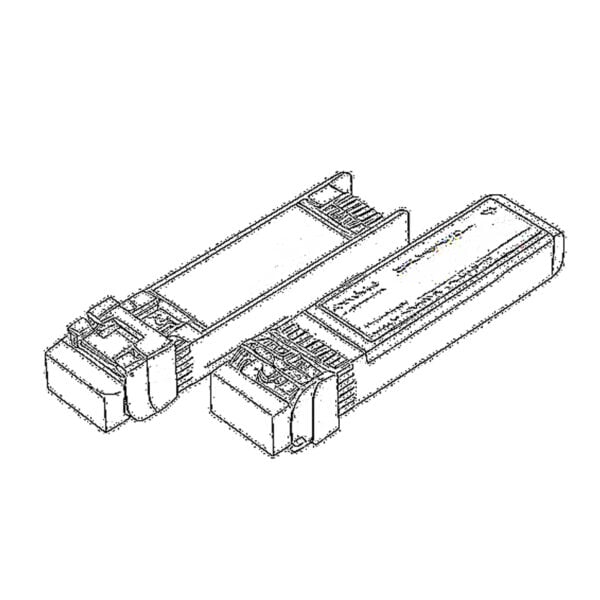 SFP/SFP+ (1G/2.5G/5G/10G)
 SFP-T (1G/2.5G/10G)
 AOC Cable 10G/25G/40G/100G
 DAC Cable 10G/25G/40G/100G
 QSFP28 QSFP+ SFP28 100G/40G/25G
 Copper to Fiber Media Converters
 Fiber Media Converter PCBA Board
 OEO Fiber Media Converters
 Serial to Fiber Media Converters
 Video to Fiber Media Converters
 1000M GPON/EPON ONU
 10G EPON ONU/XG-PON/XGS-PON
 2.5G GPON/XPON STICK SFP ONU
 POE GPON/EPON ONU
 Wireless GPON/EPON ONT
 EPON OLT
 GPON OLT
 SFP PON Module
 Industrial Switches
 Managed Switches
 POE Switches
 Unmanaged Switches
 MTP/MPO Fiber Cables
 Fiber Optic Cassettes
 Fiber Optic Loopback
 Optic Cables and Fiber Pigtails
 Optical Splitters and Splitter Box
 Fiber Flange Connectors
 Optical Adapters
 Optical Attenuator
 Quick Connector and Connector Panel
 CATV Amplifier
 CATV Optical Receiver
 Visual Fault Locator
 OTDR
 Optical Power Meter
 Fiber Optic Identifier
 Fiber Optic Cleaners
 Fiber Cleavers & Fiber Strippers
 Copper Tools