Customs duties are the responsibility of customers, but standard logistics support DDP to most countries, duty-free such as US, DE, UK, CA, FR, IT, PL, AT, JP…

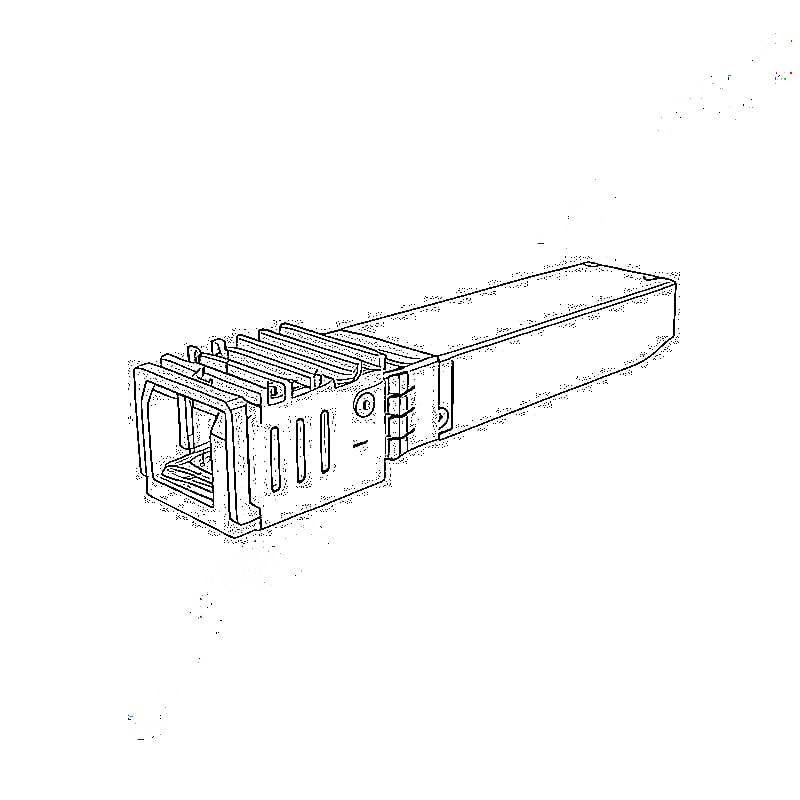
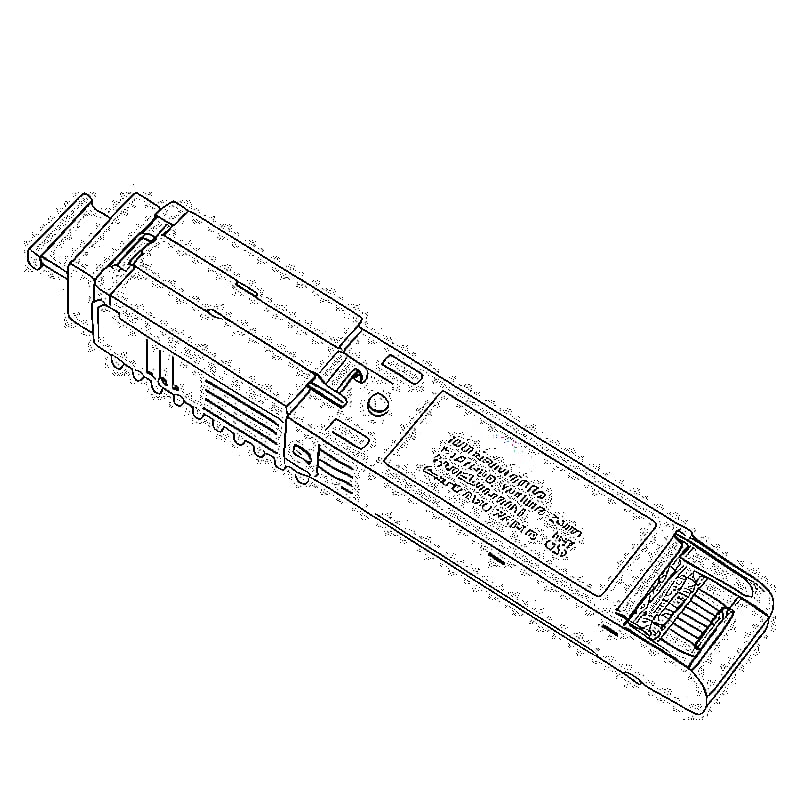
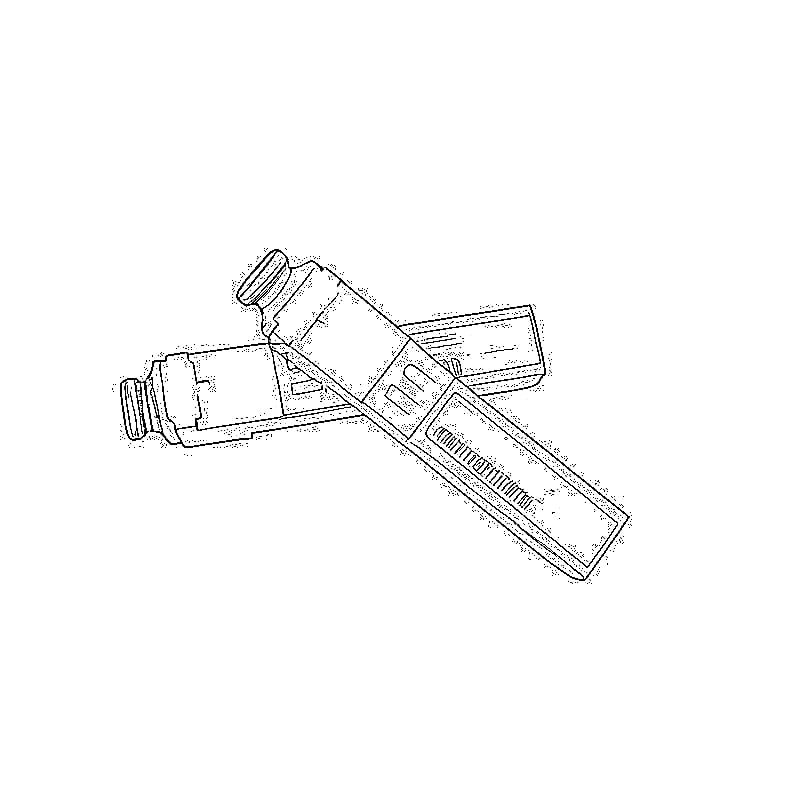
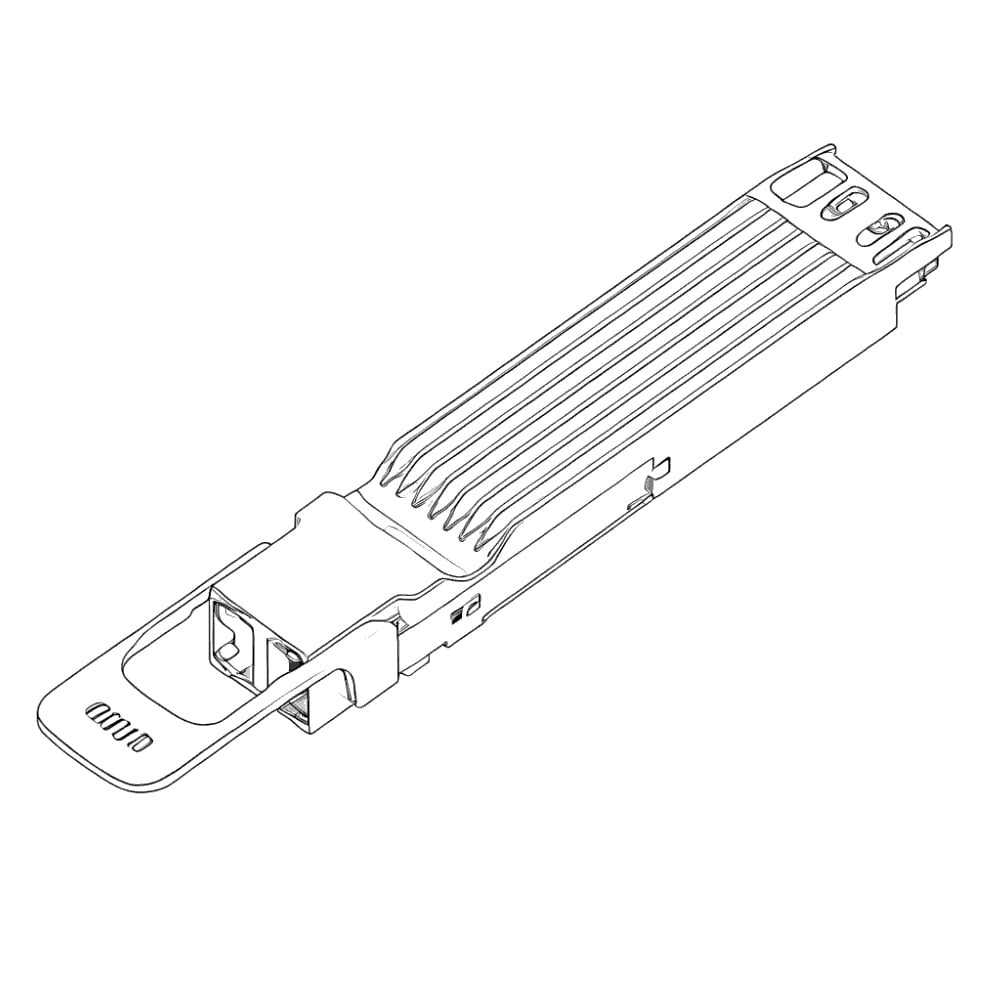


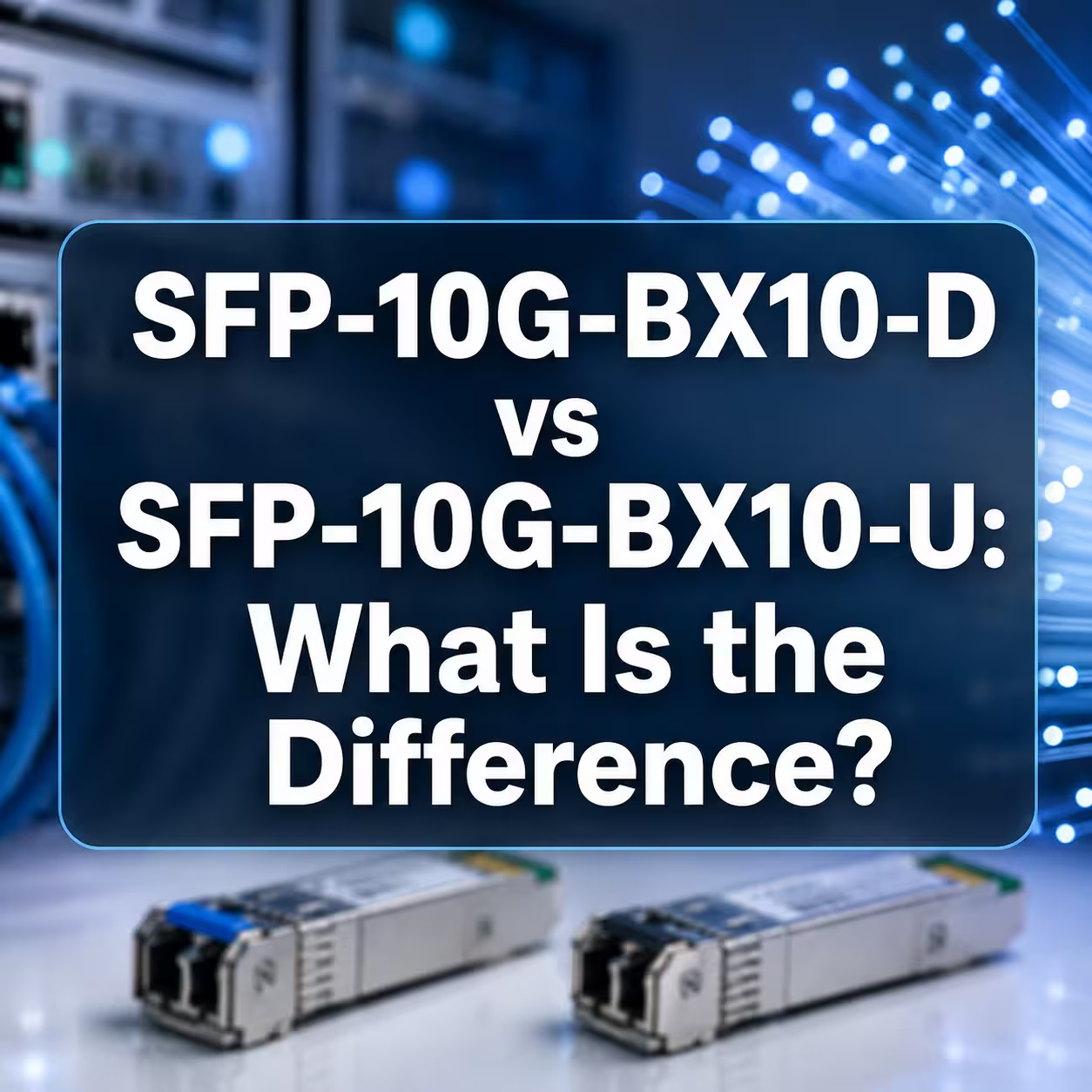
If you are buying a 10G BiDi SFP+ module, you may notice two very similar models:
and
They look almost the same.
Both are 10G SFP+ modules.
Both can work over single-mode fiber.
Both are normally designed for links up to around 10 km.
So why do you need two different models?
The answer is simple:
They use opposite transmit and receive wavelengths.
In most 10 km 1270nm/1330nm BiDi systems, the two modules are designed to work as a pair.
SFP-10G-BX10-D vs SFP-10G-BX10-U at a Glance
| Model | TX Wavelength | RX Wavelength | Fiber | Typical Distance |
| SFP-10G-BX10-D | 1330nm | 1270nm | Single-mode, single fiber | 10 km |
| SFP-10G-BX10-U | 1270nm | 1330nm | Single-mode, single fiber | 10 km |
The most important thing to remember is:
BX10-D sends on the wavelength that BX10-U receives, and BX10-U sends on the wavelength that BX10-D receives.
That is why they work together.
What Does D and U Mean?
You may see the letters D and U described as Downstream and Upstream.
That is a useful way to remember them, but the more important thing is not the letter itself.
You should always check the actual TX and RX wavelengths printed on the module or listed in the specification.
For a common 10G BX10 pair:
BX10-D: TX 1330nm / RX 1270nm
BX10-U: TX 1270nm / RX 1330nm
This same wavelength arrangement is used by Cisco’s 10 km SFP-10G-BXD-I and SFP-10G-BXU-I modules. Cisco specifies that BXD transmits at 1330nm and receives at 1270nm, while BXU transmits at 1270nm and receives at 1330nm. citeturn663560search0
However, naming can vary between manufacturers.
So when buying third-party 10G BiDi SFP+ modules, check the wavelength specification rather than relying only on the D or U name.
Why Does BiDi Need Two Different Wavelengths?
A normal 10G LR optical connection usually uses two fibers.
One fiber sends data.
The other fiber receives data.
A BiDi SFP+ module is different because it can send and receive data through one single fiber strand.
How?
It uses two different wavelengths.
Think of it like a two-way road.
One direction uses the 1270nm lane.
The other direction uses the 1330nm lane.
Both directions share the same physical fiber, but because they use different wavelengths, the signals can travel at the same time without interfering with each other.
Inside the BiDi SFP+ module, a WDM optical component separates the two wavelengths.
That is how a 10G single fiber SFP can provide full duplex communication using only one strand of fiber.
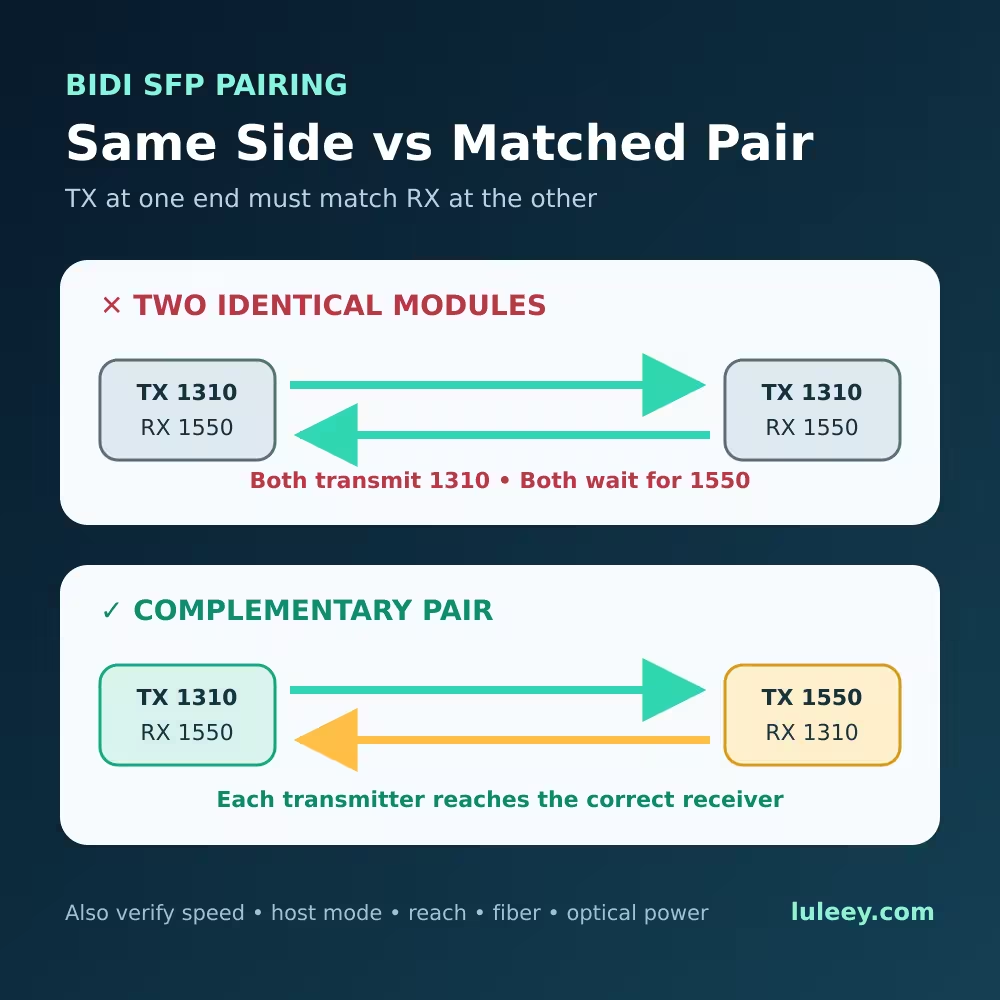
Can I Use Two SFP-10G-BX10-D Modules Together?
Normally, no.
This is one of the most common mistakes when buying BiDi modules.
Imagine putting a BX10-D module at both ends.
The first BX10-D transmits:
1330nm
But the second BX10-D is waiting to receive:
1270nm
The wavelengths do not match.
The other direction has exactly the same problem.
So even though both modules are 10G, both are single-mode and both are rated for 10 km, the link will not work correctly.
You normally need:
Switch A → SFP-10G-BX10-D
Switch B → SFP-10G-BX10-U
Then the wavelengths match correctly in both directions.
This is also how Cisco specifies its 10 km BiDi pair: the BXD module is connected to the complementary BXU module over one strand of standard single-mode fiber. citeturn663560search0
A Simple Example
Suppose you want to connect two switches that are 2 km apart.
There is only one available single-mode fiber between the two buildings.
At Building A, you install:
SFP-10G-BX10-D
TX 1330nm / RX 1270nm
At Building B, you install:
SFP-10G-BX10-U
TX 1270nm / RX 1330nm
Now look at what happens.
Building A sends 1330nm.
Building B receives 1330nm.
Building B sends 1270nm.
Building A receives 1270nm.
Everything matches.
You now have a 10Gbps full-duplex Ethernet connection using only one fiber strand.
That is the main advantage of BiDi technology.
Why Use 10G BiDi Instead of a Normal 10G LR Module?
The biggest advantage is simple:
You can save fiber.
A traditional duplex 10G optical connection normally requires two fibers.
A 10G BiDi SFP+ pair only requires one.
This can be very useful when fiber resources are limited.
For example, imagine an existing building has only four available fibers.
With ordinary duplex optical modules, those four fibers may provide only two connections.
With BiDi modules, the same four fibers can potentially provide four independent connections.
You are effectively getting more usable links from the fiber infrastructure you already have.
That can be especially useful for:
- FTTH and telecom networks
- Campus networks
- Building-to-building links
- Enterprise networks
- Data center interconnections
- Fiber networks with limited spare cores
Do BX10-D and BX10-U Have to Be the Same Brand?
Not necessarily.
The important specifications need to match.
For example, both sides should support the same Ethernet speed, compatible wavelengths, appropriate optical power levels, the same fiber type and a compatible transmission distance.
Switch compatibility also matters.
Some switches accept standard MSA-compatible SFP+ modules easily, while others may check vendor coding.
So theoretically, two compatible modules from different manufacturers can work together.
In practice, using a tested BX10-D + BX10-U pair is usually easier and reduces troubleshooting.
Is BX10 the Same as 10GBASE-LR?
No.
Both may support approximately 10 km over single-mode fiber, but they work differently.
A typical 10GBASE-LR SFP+ uses 1310nm and normally requires duplex fiber: one fiber for TX and another for RX.
A 10G BiDi BX10 SFP+ normally uses a wavelength pair such as 1270nm and 1330nm and works over a single fiber.
So:
10G LR = usually two fibers
10G BiDi BX10 = one fiber
If you already have plenty of duplex fiber, 10G LR is simple and widely used.
If fiber cores are limited, BiDi can be a very practical solution.
What Should You Check Before Buying?
Before ordering an SFP-10G-BX10-D or SFP-10G-BX10-U, check these five things:
- TX/RX wavelength — the two ends must be complementary.
- Transmission distance — BX10 normally refers to approximately 10 km, but check the actual specification.
- Fiber type — normally OS2 or other compatible single-mode fiber.
- Connector type — many 10G BiDi modules use simplex LC.
- Switch compatibility — verify that the SFP+ coding is accepted by your switch, router or network card.
The wavelength check is especially important.
If one module is TX1270/RX1330, the other end should normally be TX1330/RX1270.
SFP-10G-BX10-D vs SFP-10G-BX10-U: Which One Should I Buy?
For a new point-to-point link, the easiest answer is:
Buy one of each.
You need a complementary BiDi pair:
1 × SFP-10G-BX10-D
plus
1 × SFP-10G-BX10-U
If you are replacing only one module in an existing network, first check the wavelength of the module at the other end.
For example:
If the existing remote module says:
TX 1270nm / RX 1330nm
then the replacement at your end should normally be:
TX 1330nm / RX 1270nm
Do not choose based only on whether the label says D or U.
Match TX on one side with RX on the other side.
That simple rule works for almost every BiDi link.
Final Answer
The difference between SFP-10G-BX10-D and SFP-10G-BX10-U is mainly their transmit and receive wavelengths.
For the common 10 km 1270nm/1330nm BiDi pair:
SFP-10G-BX10-D: TX 1330nm / RX 1270nm
SFP-10G-BX10-U: TX 1270nm / RX 1330nm
They are not competing versions where you choose the “better” one.
They are two halves of the same connection.
If you remember only one thing from this article, remember:
BiDi modules work in pairs. TX on one side must match RX on the other side.
Get that right, and choosing a 10G BiDi SFP+ module becomes much easier.
FAQ
Michael : Can SFP-10G-BX10-D connect to another BX10-D?
Normally no. Both modules would transmit and receive on the same respective wavelengths, so the TX wavelength of one side would not match the RX wavelength of the other. Use a complementary BX10-D and BX10-U pair.
Daniel : Can BX10-D and BX10-U use the same fiber?
Yes. That is exactly what BiDi technology is designed for. The two modules transmit and receive on different wavelengths over one strand of single-mode fiber.
Alex : Is 1270nm better than 1330nm?
No. In this application, neither wavelength is “better.” They simply provide two separate optical channels so bidirectional communication can take place over one fiber.
Thomas : Can I use BX10-D with a 10GBASE-LR module?
Normally no. A standard 10GBASE-LR transceiver and a BX10 BiDi transceiver use different optical architectures and wavelengths. Use the correct complementary BiDi module at the other end.
Kevin : What happens if I accidentally buy two BX10-U modules?
The link will normally stay down because each module transmits at 1270nm while both are expecting to receive 1330nm. Replace one side with the matching BX10-D module.
Related Products
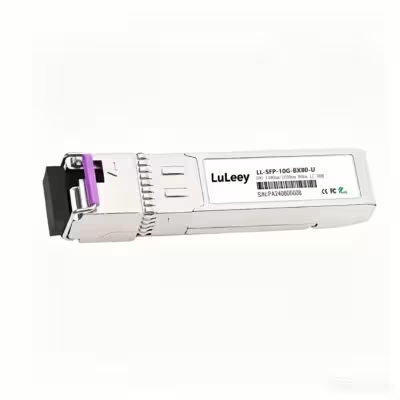
LL-SFP-10G-BX80 10G BiDi SFP+ Transceiver, 80km, LC, SMF, DDM
EUR €348.90Tags: 10G, 10G SFP+, BIDI, BiDi Transceiver, DDM, LC, Optical Module, sfp module, SFP+, Single Mode Fiber, WDM
 SFP/SFP+ (1G/2.5G/5G/10G)
 SFP-T (1G/2.5G/10G)
 AOC Cable 10G/25G/40G/100G
 DAC Cable 10G/25G/40G/100G
 QSFP28 QSFP+ SFP28 100G/40G/25G
 Copper to Fiber Media Converters
 Fiber Media Converter PCBA Board
 OEO Fiber Media Converters
 Serial to Fiber Media Converters
 Video to Fiber Media Converters
 1000M GPON/EPON ONU
 10G EPON ONU/XG-PON/XGS-PON
 2.5G GPON/XPON STICK SFP ONU
 POE GPON/EPON ONU
 Wireless GPON/EPON ONT
 EPON OLT
 GPON OLT
 SFP PON Module
 Industrial Switches
 Managed Switches
 POE Switches
 Unmanaged Switches
 MTP/MPO Fiber Cables
 Fiber Optic Cassettes
 Fiber Optic Loopback
 Optic Cables and Fiber Pigtails
 Optical Splitters and Splitter Box
 Fiber Flange Connectors
 Optical Adapters
 Optical Attenuator
 Quick Connector and Connector Panel
 CATV Amplifier
 CATV Optical Receiver
 Visual Fault Locator
 OTDR
OTDR Optical Power Meter
 Fiber Optic Identifier
 Fiber Optic Cleaners
 Fiber Cleavers & Fiber Strippers
 Copper Tools


