Customs duties are the responsibility of customers, but standard logistics support DDP to most countries, duty-free such as US, DE, UK, CA, FR, IT, PL, AT, JP…

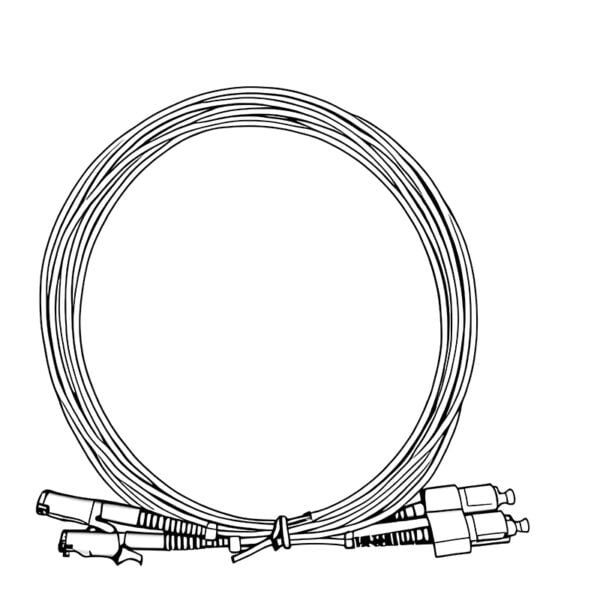
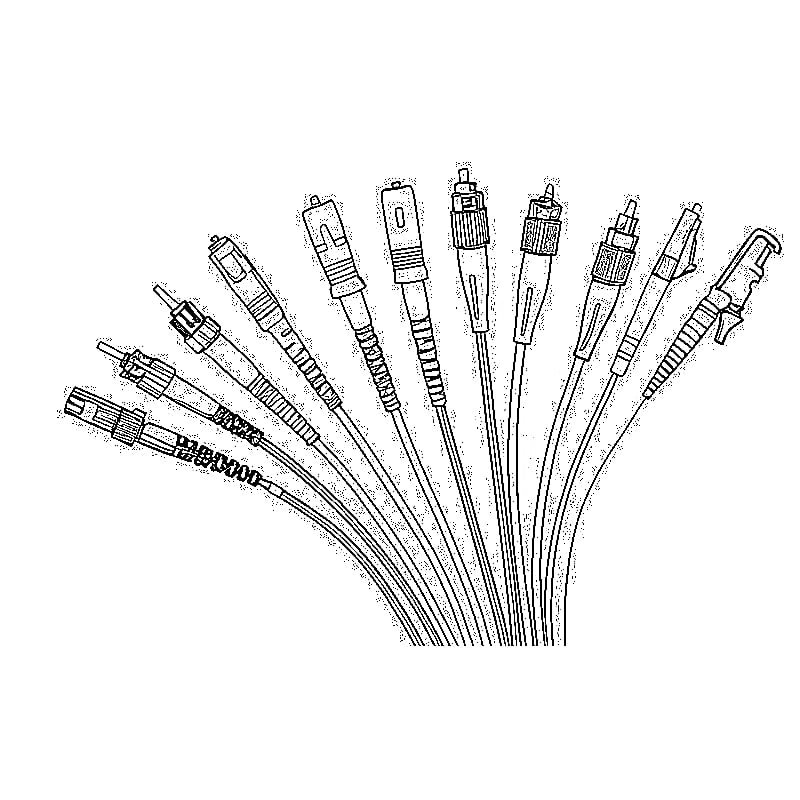
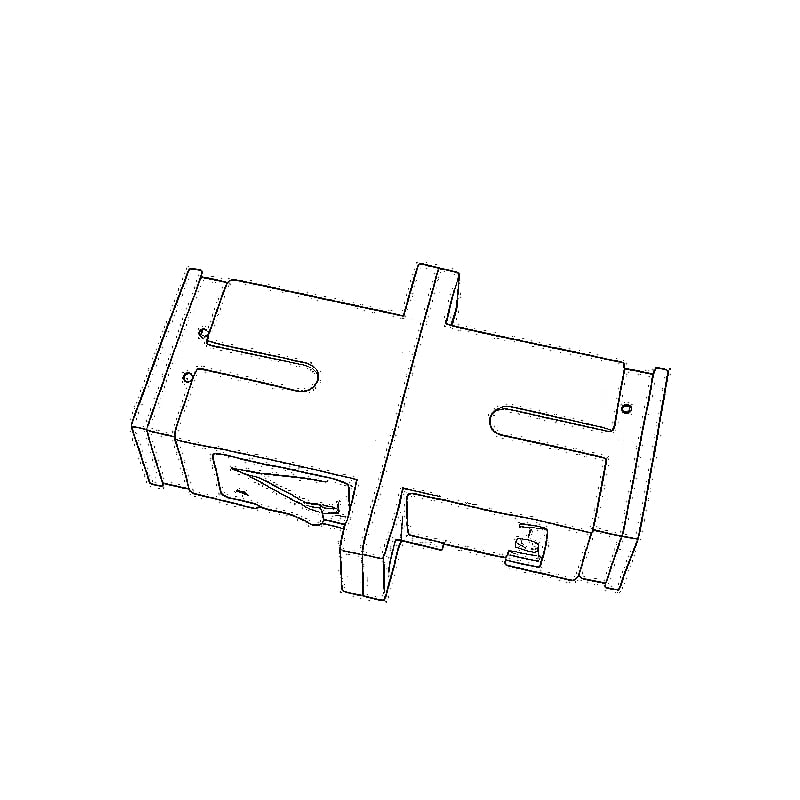
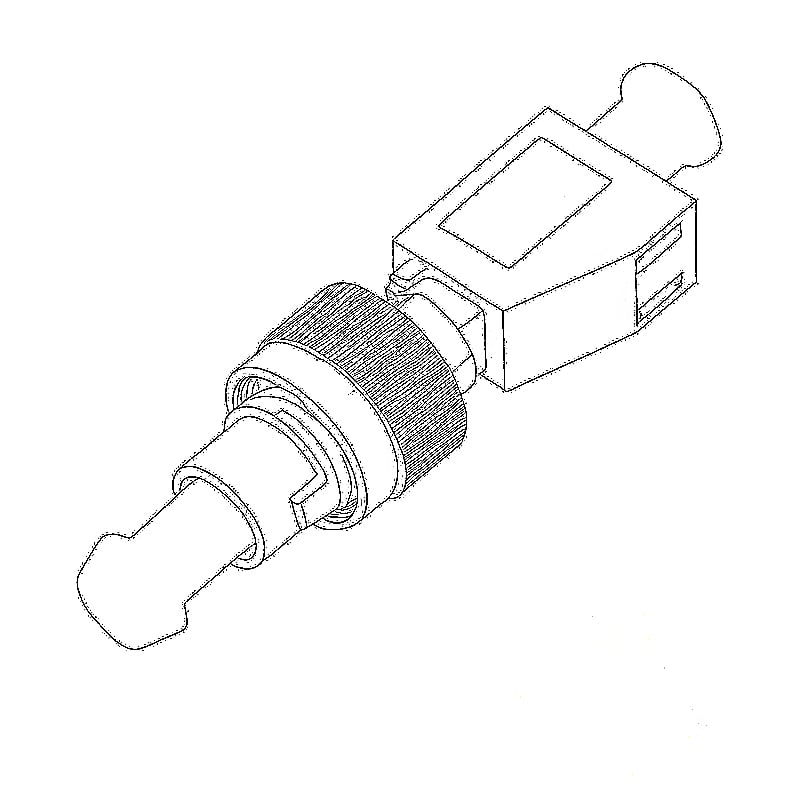
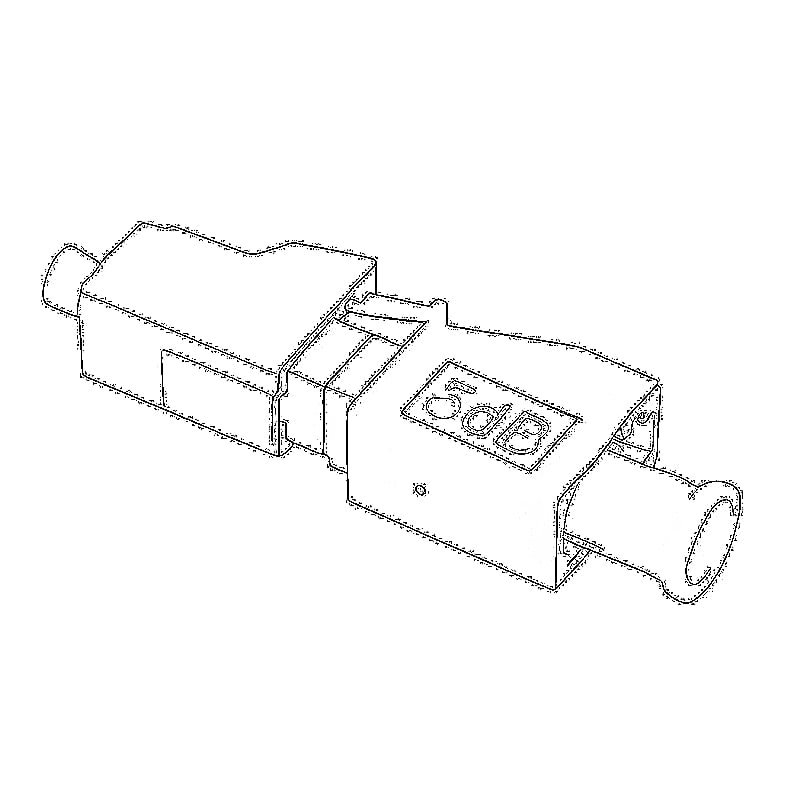

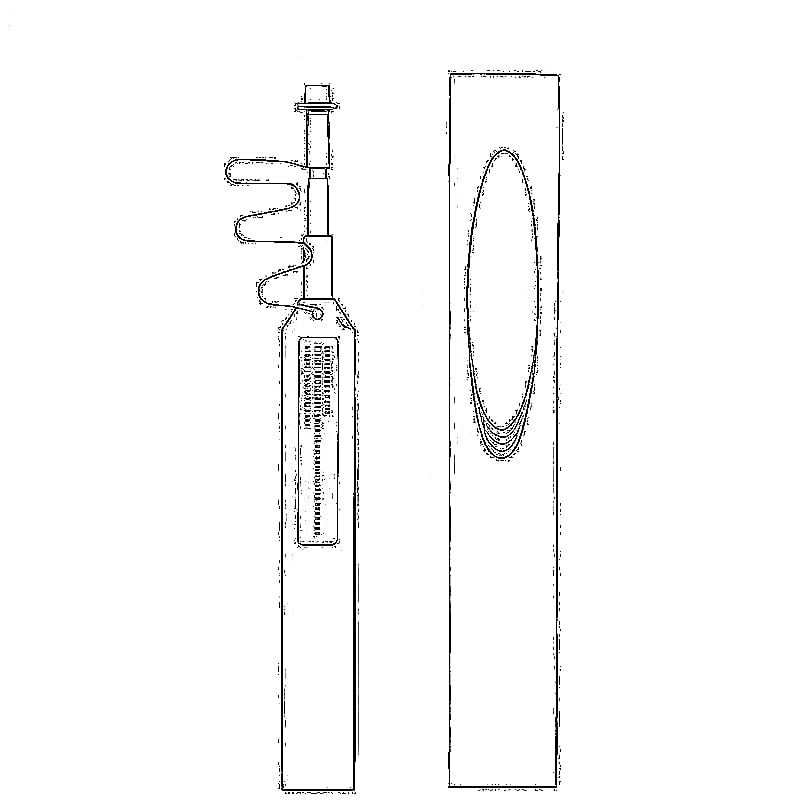
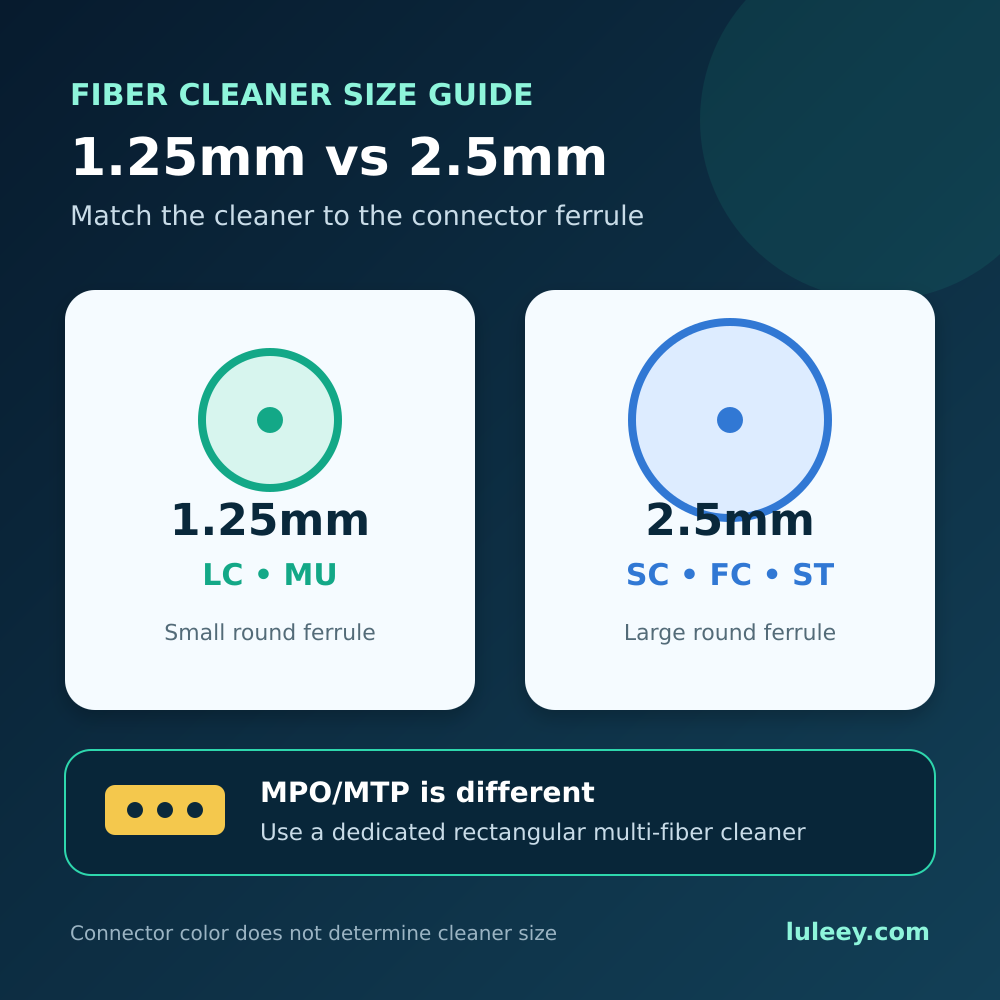
Choosing a 1.25mm vs 2.5mm fiber cleaner is mainly a connector-ferrule question. Use a 1.25mm Cleaner for a standard LC or MU connector and a 2.5mm Cleaner for a standard SC, FC or ST connector. An MPO/MTP connector has a rectangular multi-fiber ferrule and needs a cleaner made for that format.
Do not choose only by connector color, fiber type or polish. Green may indicate APC and blue may indicate UPC in many installations, but both an LC/APC and an LC/UPC connector still use the LC-sized cleaning tool.
1.25mm vs 2.5mm Fiber Cleaner: Quick Selection Table
| Connector | Typical ferrule format | Cleaner to start with | Important exception |
|---|---|---|---|
| LC | 1.25mm round | 1.25mm LC/MU cleaner | Duplex LC may require two individual cleanings or a verified duplex tool |
| MU | 1.25mm round | 1.25mm LC/MU cleaner | Confirm that the nozzle fits the adapter |
| SC | 2.5mm round | 2.5mm SC/FC/ST cleaner | Hardened or shuttered interfaces may need a dedicated tip |
| FC | 2.5mm round | 2.5mm SC/FC/ST cleaner | Follow the tool instructions around the threaded housing |
| ST | 2.5mm round | 2.5mm SC/FC/ST cleaner | Confirm access around the bayonet housing |
| MPO/MTP | Rectangular multi-fiber | Dedicated MPO/MTP cleaner | Match fiber count, pins and cleaner specification |
| CS, SN or MDC | Connector-specific | Dedicated verified cleaner | Do not infer compatibility from LC size or appearance |
This is a selection guide, not permission to force a tool into a port. Hardened interfaces, shutters and unusual transceiver receptacles may require specific nozzles.
What Do 1.25mm and 2.5mm Actually Describe?
The numbers refer to the nominal diameter of the cylindrical ferrule used by the connector family. The ferrule holds and aligns the fiber at the mating end face.
The cleaner size is not the fiber-core diameter. It is also not the outside width of the plastic connector body.
This explains why an LC Connector and an SC Connector can carry the same OS2 single-mode fiber but require different cleaning pens. The optical fiber may be the same class; the connector hardware is not.
Use a 1.25mm Fiber Cleaner for LC and MU
A standard simplex LC connector uses a 1.25mm cylindrical ferrule. A cleaner sold for LC/MU or 1.25mm interfaces is therefore the normal choice.
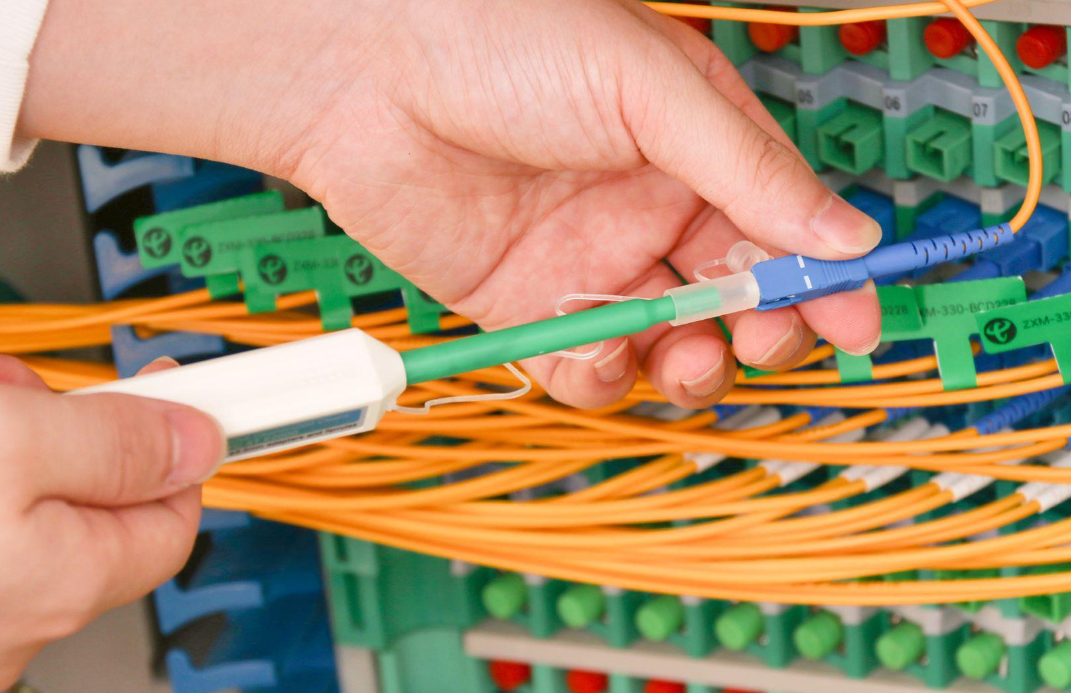
For a patch-cord plug, many push-type cleaners use a guide cap to position the exposed ferrule. For an LC receptacle in a transceiver, adapter or patch panel, the narrow nozzle reaches the recessed end face.
Check the instructions before cleaning a duplex LC pair. You may need to access the two connectors individually. A dedicated duplex-LC cleaner can clean both together, but it must match the actual duplex arrangement.
Use a 2.5mm Fiber Cleaner for SC, FC and ST
Standard SC, FC and ST connectors use 2.5mm cylindrical ferrules.
This group includes common FTTH SC/APC connectors. The angled end face of an SC/APC connector does not turn it into a 1.25mm connector. It remains an SC-sized 2.5mm ferrule.
Likewise, blue SC/UPC and green SC/APC connectors normally use the same cleaner-size class, provided the cleaner manufacturer supports the relevant polish and connector presentation.
Why MPO/MTP Needs a Dedicated Cleaner
MPO/MTP is not a larger version of LC or SC. It uses a rectangular multi-fiber ferrule with multiple fiber positions. Male connectors have guide pins; female connectors have guide holes.
A round 1.25mm or 2.5mm tip cannot clean this geometry correctly. Use an MPO/MTP cleaner whose documentation covers:
- Connector format and fiber count
- Pinned and/or unpinned connectors
- Exposed plugs and/or connectors inside adapters
- Relevant key and housing access
LuLeey’s MTP/MPO fiber cleaner pen is listed for MPO/MTP ferrule end faces, connectors with or without guide pins, and push-to-clean operation.
Confirm the exact MPO configuration before ordering. The product page does not establish universal compatibility with every emerging multi-fiber connector.
APC vs UPC: Does Polish Change the Cleaner Size?
Not by itself. Cleaner size follows the ferrule and connector family:
- LC/APC and LC/UPC normally remain in the 1.25mm LC class.
- SC/APC and SC/UPC normally remain in the 2.5mm SC class.
However, the cleaning mechanism must make proper contact with the end face. For APC connectors, use a tool whose manufacturer states that it supports APC.
Keep mating compatibility separate from cleaning-tool selection. UPC and APC connectors should not be directly mated even when a cleaner is marketed for both polish types.

How to Use a One-Click Fiber Cleaner Safely
1. Identify the exact connector
Record LC, SC, FC, ST, MPO/MTP or another connector—not merely “single mode” or “green connector.”
2. Confirm whether you are cleaning a plug or port
An exposed patch-cord ferrule and a recessed equipment interface may use different positions of the cleaner’s guide cap or nozzle.
3. Make the fiber safe to inspect
Turn off or disconnect the optical source according to the network procedure. Never look into a fiber or optical port.
A microscope can concentrate invisible optical energy into the eye. Use suitable video inspection equipment and approved safety procedures.
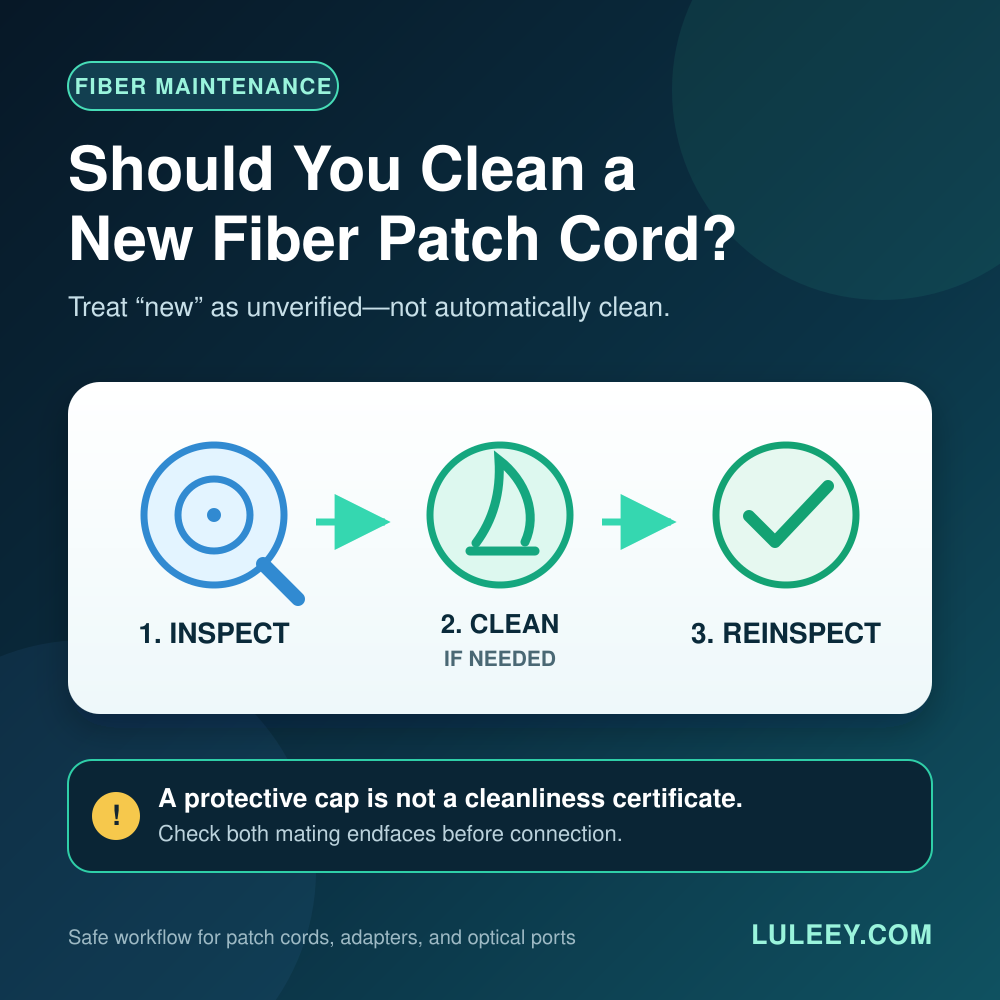
4. Inspect before cleaning
Use a fiber inspection probe with the correct adapter tip. Determine whether the end face is clean, contaminated or physically damaged.
The Fiber Optic Association describes the process as inspect, clean and inspect again. A protective cap does not prove that the end face remains clean. FOA inspection guidance
5. Clean with the matched tool
Place the cleaner squarely into the adapter or onto the exposed connector as instructed. Push until the mechanism completes its cycle.
Do not twist, rock or apply additional force unless the tool documentation requires it.
6. Reinspect before mating
Cleaning is an action, not a pass result. Reinspect to verify that contamination was removed and that no physical damage is visible.
If dry cleaning does not remove oily residue, use an approved wet-to-dry method and compatible cleaning fluid.
7. Inspect the other side too
A clean patch cord mated to a dirty equipment-side connector can become contaminated. Inspect and clean both mating surfaces as required, then connect promptly.
Common Selection and Cleaning Mistakes
Buying by connector color
Color can help identify a documented system, but it is not a cleaner-size measurement. Identify the connector family.
Using a 1.25mm tip in a 2.5mm interface
The smaller tool may not be guided correctly or sweep the required area. Partial contact is not a verified cleaning result.
Forcing a 2.5mm cleaner into an LC port
This is the wrong physical interface and may damage the port, cleaner or connector.
Treating MPO as a round-ferrule connector
MPO has multiple fibers, guide-pin features and a rectangular end face. It needs an appropriate dedicated cleaner.
Assuming a click means the connector is clean
The click shows that the mechanism cycled. Inspection determines whether the end face passes.
Reusing an exhausted cleaning surface
Follow the cleaner’s cycle rating and replacement indicator. Do not reverse or reuse contaminated tape.
Choosing a LuLeey Fiber Cleaner
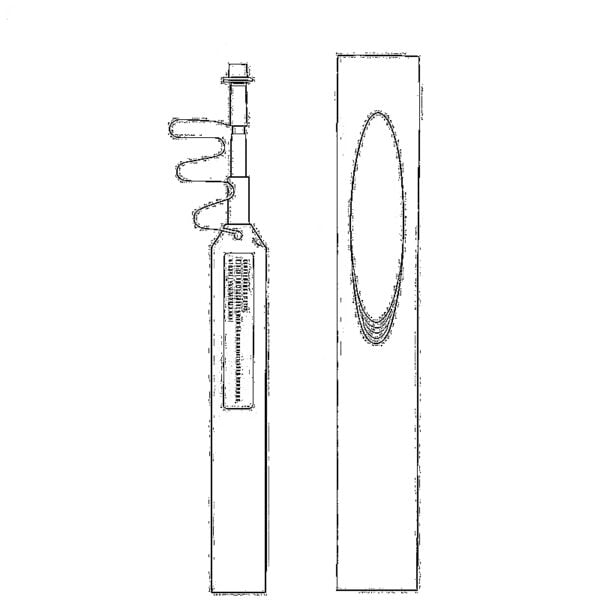
LuLeey’s 1.25mm/2.5mm fiber cleaner pen lists two variants:
- 1.25mm, blue, for LC
- 2.5mm, white, for SC, ST and FC
The page also states more than 800 cleaning cycles and describes push-to-clean tape advancement. Treat these colors as identifiers for that LuLeey listing, not as an industry-wide cleaner color standard.
For installations containing several connector families, build a small kit containing:
- A 1.25mm LC/MU cleaner
- A 2.5mm SC/FC/ST cleaner
- A dedicated MPO/MTP cleaner when required
- Matching inspection-probe tips
- Approved wipes and cleaning fluid
- Clean protective caps and a sealed case
Browse LuLeey’s fiber optic cleaners category after recording the connector family, plug or port presentation, polish, fiber count and any hardened or shuttered interface.
Final Answer
For standard connectors, use a 1.25mm fiber cleaner for LC or MU and a 2.5mm fiber cleaner for SC, FC or ST. Use a dedicated MPO/MTP cleaner for rectangular multi-fiber connectors.
Then verify the exact connector, confirm whether you are cleaning an exposed plug or recessed port, follow the cleaner instructions and complete an inspect-clean-inspect cycle on both mating surfaces.
Before ordering from LuLeey, provide the connector name, equipment part number, plug or port presentation, polish and number of connector types in the required kit.
 SFP/SFP+ (1G/2.5G/5G/10G)
 SFP-T (1G/2.5G/10G)
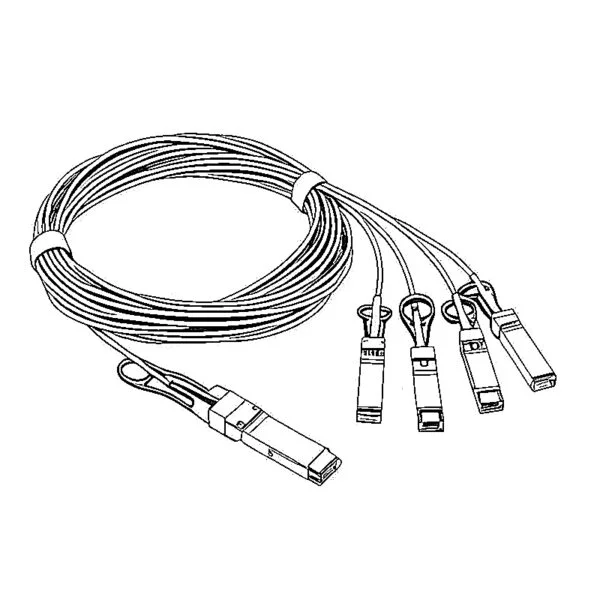 AOC Cable 10G/25G/40G/100G
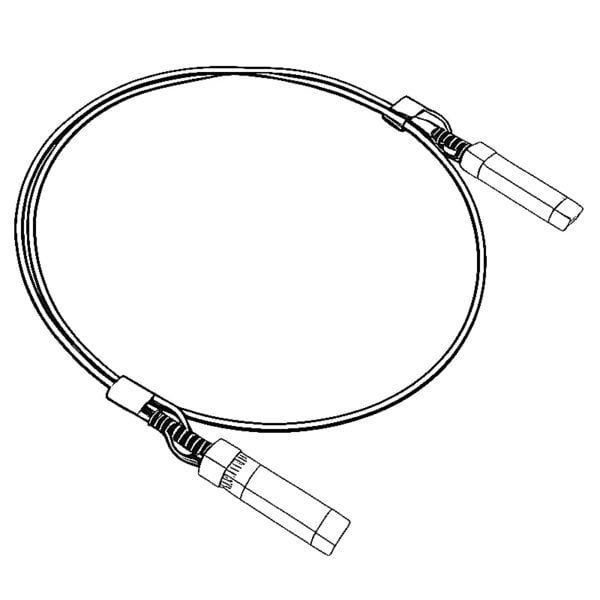 DAC Cable 10G/25G/40G/100G
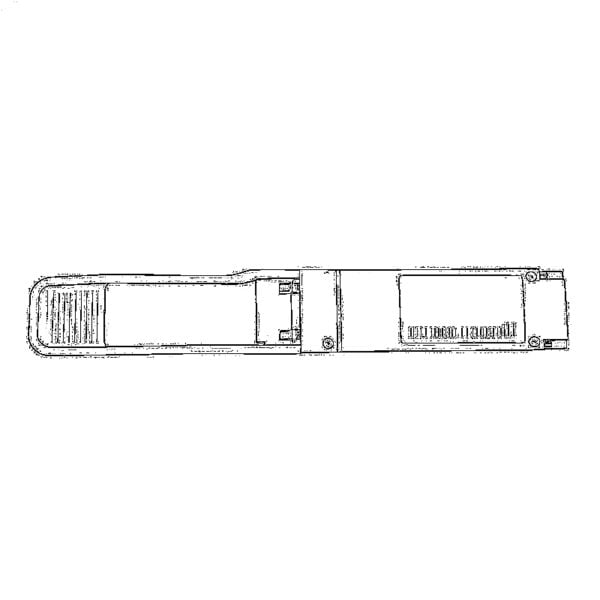 QSFP28 QSFP+ SFP28 100G/40G/25G
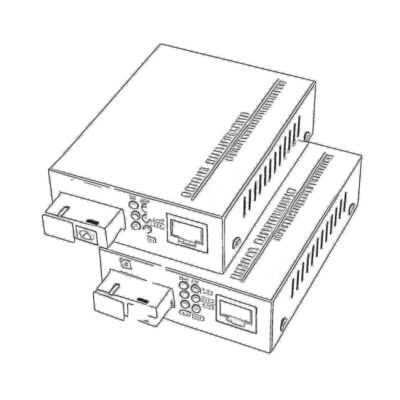 Copper to Fiber Media Converters
 Fiber Media Converter PCBA Board
 OEO Fiber Media Converters
 Serial to Fiber Media Converters
 Video to Fiber Media Converters
 1000M GPON/EPON ONU
 10G EPON ONU/XG-PON/XGS-PON
 2.5G GPON/XPON STICK SFP ONU
 POE GPON/EPON ONU
 Wireless GPON/EPON ONT
 EPON OLT
 GPON OLT
 SFP PON Module
 Industrial Switches
 Managed Switches
 POE Switches
 Unmanaged Switches
 MTP/MPO Fiber Cables
 Fiber Optic Cassettes
 Fiber Optic Loopback
 Optic Cables and Fiber Pigtails
 Optical Splitters and Splitter Box
 Fiber Flange Connectors
 Optical Adapters
 Optical Attenuator
 Quick Connector and Connector Panel
 CATV Amplifier
 CATV Optical Receiver
 Visual Fault Locator
 OTDR
OTDR Optical Power Meter
 Fiber Optic Identifier
 Fiber Optic Cleaners
 Fiber Cleavers & Fiber Strippers
 Copper Tools


